A disciplined guide to five condominium acquisition profiles for cash buyers evaluating reserve exposure, assessments, insurance obligations, and future capital needs across South Florida.
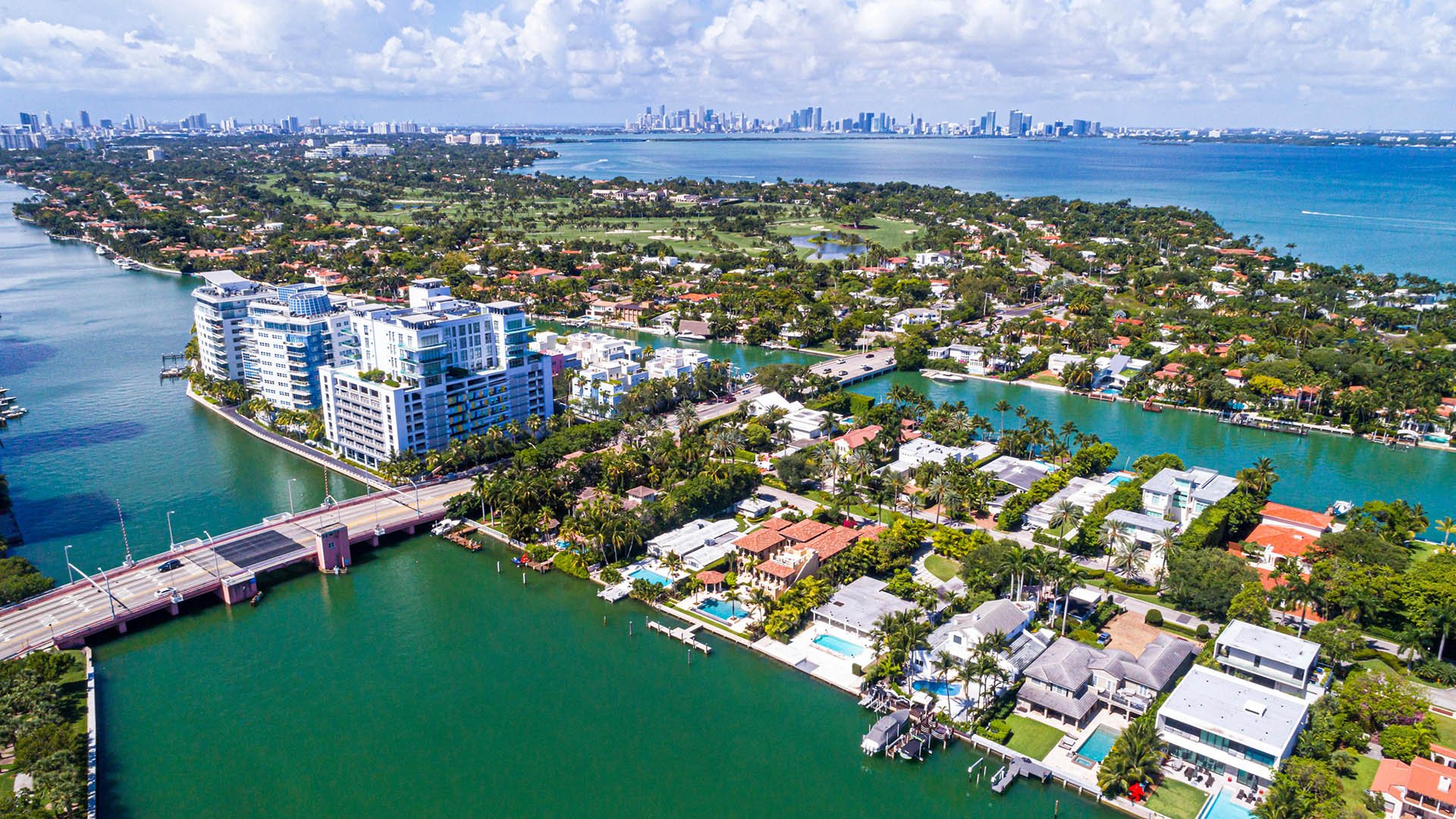
A cash purchase can provide speed, certainty, and negotiating flexibility, but it does not insulate an owner from the financial life of a condominium. The residence and the association remain inseparable: shared systems, common areas, insurance, maintenance, and future capital work all shape the ownership experience after closing.
For South Florida buyers, reserve exposure deserves the same scrutiny as views, privacy, service, and design. The central question is not simply whether a building has reserves, but whether its records allow the buyer and qualified advisers to assess the association’s financial position, anticipated work, and potential owner obligations with confidence.
This edition of MILLION Buyer's Guides ranks five acquisition profiles rather than treating every tower as financially interchangeable. The order favors clarity, current documentation, and a legible path from purchase price to total ownership exposure.
1. Recently completed condominium - cleanest starting point
A recently completed building can provide a comparatively fresh starting point for physical systems, but newness should never replace rigorous review. Examine the governing documents, initial budget, warranties, insurance structure, contracts, and any obligations that may transition to owners or the association.
The strongest choice is the one with complete records and clearly allocated responsibilities. New-construction buyers should also understand what the purchase includes, what remains under developer control, and which future costs are absent from the headline price.
2. Established luxury condominium with transparent planning - strongest operating history
An established building may provide years of budgets, financial statements, meeting minutes, maintenance decisions, and assessment history. That record can help advisers evaluate how consistently the association plans, communicates, and funds shared obligations.
The preferred candidate is not necessarily the building with the lowest monthly charge. It is the one whose records make recurring expenses, planned projects, reserves, and potential owner contributions easier to interpret.
3. Boutique condominium with limited shared infrastructure - simpler cost map
A boutique property may have fewer common elements than a large, resort-style complex, making its cost map easier to study. Yet fewer residences may also leave each owner with a larger proportional share when major work arises.
Review the expense structure rather than treating scale as a shortcut. Where applicable, consider elevators, façades, roofs, waterfront elements, mechanical equipment, staffing, and amenity spaces.
4. Condominium with recently addressed capital work - best documented reset
A building that has completed meaningful capital work can merit attention when the scope, funding, completion status, warranties, and remaining obligations are fully documented. The relevant issue is not simply that work occurred, but whether the buyer can verify what was completed and what remains ahead.
Determine whether assessments are paid, pending, transferable, or subject to later reconciliation. Contract language should allocate responsibility clearly, especially when closing occurs during an active project or payment schedule.
5. Value-priced resale with a quantified exposure budget - selective opportunity
A resale opportunity can remain compelling when known and plausible building costs are incorporated into the acquisition analysis. Cash buyers can weigh the asking price against an exposure budget covering assessments, planned work, interior updates, carrying costs, and a personal contingency.
This is the most diligence-sensitive choice in the ranking. A discount is meaningful only when the buyer understands what may have caused it and can absorb the financial and timing implications without compromising the broader investment plan.
Reserve diligence should begin before an offer becomes difficult to unwind. Request the current budget, available financial statements, reserve materials, recent meeting minutes, insurance information, governing documents, pending assessment details, major contracts, and records concerning planned or active work. The appropriate legal, financial, insurance, and technical advisers should then review the materials within their respective disciplines.
Read the documents as a connected narrative. Minutes may identify a project before it appears as a formal assessment. Budgets may reveal whether recurring costs are rising or an expense has shifted categories. Insurance terms, deductibles, exclusions, and renewal timing may affect the owner’s practical risk even when the premium is already reflected in association expenses.
Cash buyers should also preserve liquidity after closing. A fully funded purchase can still leave an owner exposed if too much capital is concentrated in the residence and too little remains available for association calls, renovations, taxes, insurance, or personal portfolio needs.
Geography changes the lifestyle, but the diligence framework should remain consistent. A buyer considering Brickell can use The Residences at 1428 Brickell as one point in a broader comparison, while a Miami Beach search might include The Perigon Miami Beach. The purpose is not to infer financial strength from branding, architecture, or location, but to request the relevant documents for each candidate and evaluate them on equal terms.
The same discipline applies farther north. Buyers can place Glass House Boca Raton beside The Ritz-Carlton Residences® West Palm Beach on an initial tour list, then separate aesthetic preference from association-level analysis. A beautiful residence may win the emotional comparison, but the documentation should determine whether its financial structure fits the buyer’s tolerance.
A reserve-conscious offer should reflect more than comparable interiors and views. Buyers can create a total acquisition worksheet combining the purchase price, closing costs, immediate improvements, known assessments, projected carrying costs, and a contingency selected with professional guidance.
Contract terms matter as much as the number. Diligence periods, document delivery, assessment allocation, representations, and termination rights require careful legal review. Cash can strengthen execution, but restraint remains the greater luxury: the ability to pause when records are incomplete, explanations conflict, or the remaining exposure cannot be responsibly bounded.
Does paying cash eliminate reserve risk? No. Cash removes the lender from the purchase, but the owner remains subject to applicable association obligations.
Is a new condominium automatically the safest choice? No. Buyers should still review budgets, governing documents, warranties, contracts, insurance, and the allocation of responsibilities.
Are low monthly charges always attractive? Not necessarily. The more useful question is whether those charges align with operations, maintenance, planned work, and the association’s financial strategy.
What documents should a buyer request first? Start with budgets, financial statements, reserve materials, meeting minutes, insurance information, assessment records, governing documents, and major project materials.
Why are meeting minutes important? They can reveal discussions about repairs, contracts, insurance, budgets, disputes, and projects before those matters become formal owner obligations.
Should a buyer accept an assessment already in progress? Only after advisers confirm its scope, payment status, contractual allocation, and the possibility of additional costs.
Can a boutique building reduce exposure? It may have fewer common elements, but fewer owners can also increase each residence’s proportional responsibility for shared costs.
How should cash buyers compare two buildings? Apply the same document checklist, professional review, ownership horizon, and contingency framework to both candidates.
What is the role of a personal contingency? It preserves flexibility for uncertain timing, changing costs, interior work, and owner obligations that may arise after closing.
When should a buyer walk away? Consider pausing when key records are unavailable, material questions remain unresolved, or potential exposure exceeds the buyer’s defined tolerance.
When you're ready to tour or underwrite the options, connect with MILLION.
If branded residences are on your mind — as a home or as an allocation — we would be glad to share what we are seeing, privately.
Begin a quiet conversation