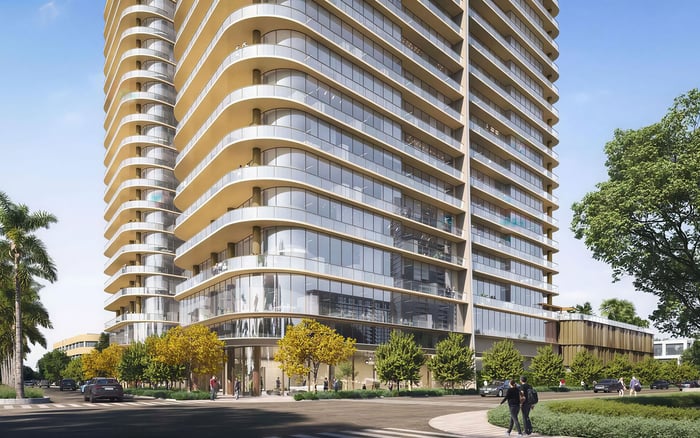
A buyer-focused guide to documenting water protection at Frida Kahlo Wynwood Residences, from sensor coverage and valve controls to acceptance testing, emergency response, and condominium insurance responsibilities.

At Frida Kahlo Wynwood Residences, the ownership conversation should extend beyond architecture and amenities to the less visible infrastructure intended to protect a residence.
The materials supplied for this review do not establish whole-unit leak detection, automatic unit-level or building-wide water shutoff, flood alarms, or a named water-mitigation contractor. That documentation gap is not evidence that these features are absent.
For the buyer, the objective is straightforward: translate any proposed protection into a defined scope, an acceptance standard, and an operating obligation.
Before committing, request the current purchase agreement, specifications, exhibits, condominium declaration, budget, rules, and technology addenda. Have counsel identify where any water-protection commitment belongs and whether the documents describe it as included, optional, or subject to substitution.
A sales description is not a substitute for a contractual obligation. If protection is offered, seek language identifying the equipment, installation responsibility, coverage boundaries, and delivery requirements. Ask how substitutions would be evaluated and what documentation would accompany a change.
These are buyer-review recommendations, not representations about existing project terms. No project-specific executed agreement, technical specification, commissioning record, or damage-response contract has been supplied for this review. The purchase decision should distinguish the advertised residence from the protection package the buyer can document.
“Whole-unit” should prompt a coverage schedule, not end the discussion. Request a written map of sensor locations, protected water branches, valve locations, and exclusions. The schedule should explain how the proposed system addresses common risers, HVAC condensate, terraces, and water originating in neighboring residences.
The essential question is whether each identified exposure is detected, controllable, both, or neither. Ask the design team to connect the sensor schedule to the plumbing scope rather than rely on a general description of smart-home capability.
A buyer also considering Villa Miami can use the same questions as a comparison framework, without assuming either development offers equivalent systems. Compare documented protection and responsibility, not technology language in a presentation.
Request a clear record of what remains outside the proposed system. An exclusion is not necessarily a reason to reject a residence, but it should inform the insurance review and emergency plan.
Detection, notification, and shutoff should be specified independently. Ask what triggers an alert, who receives it, and whether any event also commands a valve to close. A notification commitment is not an automatic-shutoff commitment.
For a proposed shutoff system, request the valve location and the precise water supply it controls. Clarify whether the scope is limited to the residence or involves building systems, and who has authority to operate, override, and restore service.
The written specification should address local and remote controls, monitoring responsibility, and behavior during power or connectivity interruptions. Ask who handles alerts when the owner is unavailable and how unresolved notifications are escalated. These are requirements to negotiate or confirm, not verified functions at Frida Kahlo Wynwood Residences.
The same diligence applies to a Brickell alternative such as The Residences at 1428 Brickell. The meaningful comparison is the documented control boundary and response obligation, not an assumed level of protection associated with an address.
Before accepting a promised installation, request witnessed sensor, valve, and notification tests with a written record. The acceptance procedure should identify what is being tested, the expected result, and how deficiencies will be corrected and retested.
Keep the operating information with the residence's handover documents. Ask for the sensor and valve schedule, instructions, relevant warranties, escalation contacts, and any subscription requirements. A demonstration is more useful when it produces a record the owner and management can consult later.
Allocate ongoing battery, connectivity, subscription, repair, and replacement responsibilities in writing. Clarify whether the owner, association, or a service provider monitors equipment health and coordinates maintenance. The goal is not merely a working system at handover, but a clear division of duties after ownership begins.
For an owner who may be away, a written response plan deserves the same attention as the equipment. Request a 24/7 arrangement identifying vendors, response-time commitments, emergency-entry procedures, extraction and drying protocols, moisture documentation, and insurance-notification duties.
The agreement should distinguish acknowledgement of an alert from attendance at the residence. It should also identify who can authorize emergency work, the limits of that authority, and how repair decisions requiring owner approval will be handled.
Have counsel clarify the association's access rights under applicable law and condominium documents, then reconcile those rights with the proposed emergency-entry procedure. Do not assume that management and an outside vendor have equivalent authority to enter or authorize work.
The response plan should identify the professionals expected to stop a leak and address resulting damage. Request a clear escalation sequence linking management, the owner, service providers, insurers, and counsel where appropriate.
Ask counsel and an insurance adviser to review the declaration, association master policy, and proposed HO-6 coverage together. Identify which portions of the residence each policy covers, who handles a claim, and who must arrange repairs after a loss.
The review should expressly address interior surface coverings, appliances, cabinets, countertops, and personal property rather than assume the master policy covers the entire interior. Ask how deductibles, exclusions, and uninsured repair costs would be allocated under the governing documents and applicable law.
Request an explanation of how the policies treat slow or ongoing leaks compared with sudden losses. Counsel should also clarify how negligence, intentional conduct, or noncompliance with condominium documents could affect responsibility, including conduct by occupants, tenants, guests, or invitees.
Automatic shutoff should not be treated as a substitute for insurance review. A more complete ownership plan combines a documented technical scope, tested delivery, assigned maintenance, and a response agreement aligned with insurance responsibilities.
For a considered approach to South Florida ownership, explore MILLION.
If branded residences are on your mind — as a home or as an allocation — we would be glad to share what we are seeing, privately.
Begin a quiet conversationThe materials supplied for this review do not establish whole-unit leak detection. That documentation gap does not establish that the feature is absent.
The supplied materials do not establish automatic unit-level or building-wide shutoff. Buyers should request a written specification before treating it as included.
Request the purchase agreement, specifications, exhibits, declaration, budget, rules, and technology addenda. Confirm whether any protection is included, optional, or subject to substitution.
It should identify sensor locations, protected water branches, valve locations, and exclusions. Ask specifically about common risers, HVAC condensate, terraces, and neighboring-unit water sources.
An alert commitment does not establish automatic valve closure. The documents should distinguish notification recipients, activation conditions, and the water supply a valve controls.
Request witnessed sensor, valve, and notification tests with a written record. The acceptance procedure should also address correction and retesting of deficiencies.
The written ownership arrangements should allocate battery, connectivity, subscription, repair, and replacement duties. Buyers should not assume those responsibilities belong to the association.
Request named vendors, 24/7 procedures, response-time commitments, emergency-entry authority, extraction and drying protocols, and moisture documentation. Insurance notices and repair-authorization limits should also be addressed.
Have counsel and an insurance adviser identify what the master policy and proposed HO-6 policy cover. The review should address interior finishes, appliances, cabinets, countertops, personal property, deductibles, and repair responsibilities.
No; it should not be treated as a substitute for reviewing insurance. Ask an adviser how the policies address slow leaks, sudden losses, exclusions, and uninsured costs.