A practical comparison of Miami Beach and Surfside for seasonal buyers, balancing cultural access, residential choice, service expectations and household staffing.
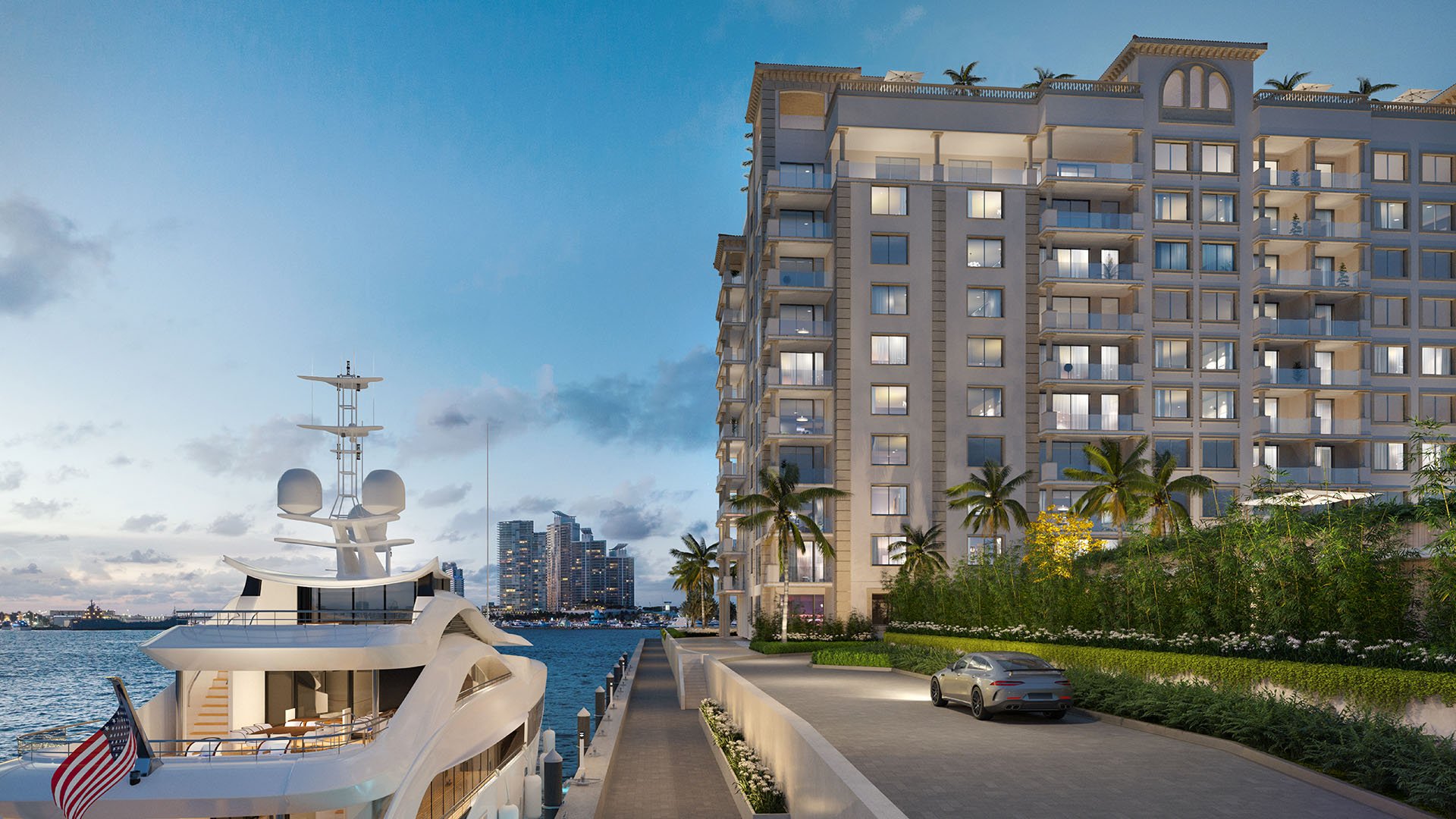
The choice between Miami Beach and Surfside is less about which address is more prestigious than how a household intends to use it. A buyer arriving for the peak winter social calendar, hosting frequently and moving among cultural engagements may value proximity over repose. Another may want the same access but prefer to return each evening to a more contained oceanfront setting.
Miami Beach is the more direct fit for an event-centered season. Surfside is the more measured base for owners comfortable accessing major occasions off-site. Both can support a refined second-home routine, but their operational rhythms differ. One favors immediacy and breadth; the other, concentration and separation.
The right address should simplify the season rather than compete with it.
Art Basel Miami Beach remains the clearest test of event proximity. Its 2026 edition is scheduled for December 4 through 6 at the Miami Beach Convention Center. With more than 250 galleries and work by over 4,000 artists, the fair affects far more than a few days in December. Owners should anticipate guest movements, household preparation and a fuller social schedule throughout the fair period.
The broader regional calendar extends beyond the winter art season to Formula 1, Ultra Music Festival and the Fort Lauderdale International Boat Show. Not every event occurs in Miami Beach, but an owner based there is choosing a socially active platform with access to year-round programming.
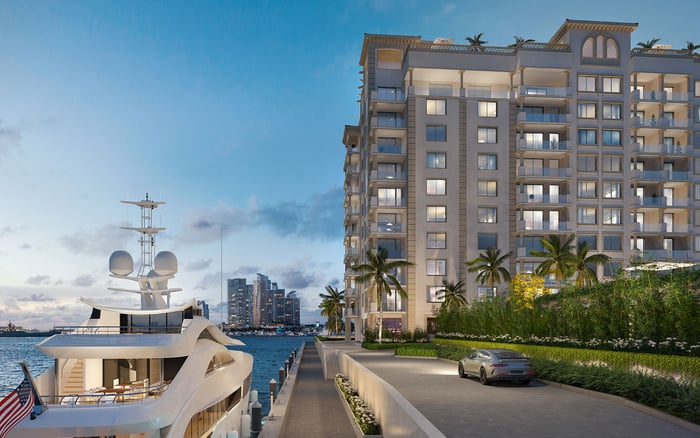
Residences such as Setai Residences Miami Beach may suit buyers who want a Miami Beach base where the calendar is integral to ownership. Even so, buyers should assess the specific building's arrival procedures, guest policies, service access and unattended-residence protocols before assuming convenience.
Surfside offers a different proposition. Owners can participate in Miami Beach's cultural festivals, holiday displays and oceanfront celebrations while living beyond the principal event district. This can be advantageous when the residence is intended as a place of recovery between engagements rather than an extension of them.
Miami Beach offers the broader residential spectrum. Its market spans condominiums, waterfront properties and new developments, supporting strategies from a compact lock-and-leave apartment to a larger home requiring a standing household team. The market has included roughly 1,800 homes, although live listing counts change continuously and should be reconfirmed.
That breadth allows buyers to compare formats as well as addresses. The Perigon Miami Beach may enter a coastal condominium search, while other Miami Beach choices may serve buyers prioritizing different combinations of scale, location and management intensity. The critical point is optionality, not a universal winner.
Surfside's luxury inventory is concentrated within a smaller collection of oceanfront and branded buildings. Select properties have carried substantial asking-price premiums. A historical snapshot placed the average asking price at 8777 Collins Avenue at $3,993 per square foot, but that figure does not represent closed-sale evidence and should not be treated as current valuation guidance.
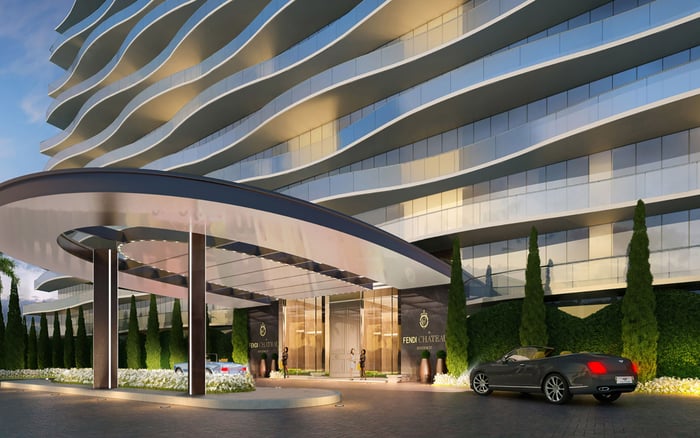
Buyers drawn to branded residences may naturally evaluate The Surf Club Four Seasons Surfside, whose setting reflects Surfside's established resort identity. The Surf Club has welcomed celebrities, politicians and royalty since the 1930s, while its Four Seasons address at 9011 Collins Avenue sits near Bal Harbour Shops. The hotel component is characterized by generous accommodations, elevated service and convenient shopping access.
For a different point of comparison within the same municipality, Arte Surfside illustrates the value of reviewing Surfside's limited selection building by building. In a concentrated market, association operations, staffing permissions and day-to-day service culture can matter as much as general neighborhood preference.
Seasonal ownership is most successful when staffing is structured around pre-arrival, in-residence and vacant-home periods. Before arrival, the priority is readiness: opening the home, coordinating deliveries and confirming that rooms and household systems are prepared. During residence, the team may expand according to the property's scale, guest pattern and service standard. After departure, oversight becomes the central requirement.
Miami has an established staffing channel serving luxury estates, executives and high-net-worth households. Placements can be full-time, part-time or short-term, giving seasonal owners flexibility. Common roles include housekeepers, nannies, private chefs, butlers and estate managers. National and international recruiters can broaden the candidate pool for private homes, estates and family offices.
Experienced household assistants and executive housekeepers are actively sought across Florida's luxury residential markets. Owners should therefore avoid delaying recruitment until the opening week of the season. The strongest plan defines dates, duties, reporting lines, confidentiality expectations and off-season responsibilities before candidates are approached.
Property type changes the staffing equation. A lock-and-leave condominium may need scheduled housekeeping and reliable vacant-home inspections rather than a full household roster. A larger waterfront home may require broader coordination. Lifestyle expectations, not simply square footage, should determine the team.
Condominium due diligence should include association rules governing staff entry, deliveries, service elevators and maintenance while the owner is absent. These are not secondary details. They determine whether a carefully designed service plan can function during busy arrival days and extended vacancies.
Ask who may authorize entry when the owner is away, whether recurring personnel can be registered, how vendors are handled and which procedures apply to large deliveries. Confirm how the residence will be monitored between stays and whether the owner's preferred staffing agency can operate within the building's rules.
Oceanfront exposure makes dependable oversight especially important. The buyer's representative, attorney and property-management team should distinguish what the association handles from what remains the owner's responsibility. Assumptions about hotel-style service should give way to written confirmation of the residential operating model.
Choose Miami Beach when the household wants major cultural occasions close to home, values a broad selection of property types and expects the residence to serve as an active social base. This is the stronger fit when event access shapes both the calendar and the real-estate brief.
Choose Surfside when the household prefers a quieter oceanfront home base, accepts traveling to the principal event district and values a more concentrated luxury environment. The Four Seasons-anchored resort culture can be especially persuasive for buyers seeking an established hospitality context near Bal Harbour Shops.
Before selecting either, model a complete ownership cycle. Mark arrival and departure dates, major events, guest periods, staffing transitions, unattended weeks and maintenance visits. Then compare individual buildings against that schedule. The best choice is the residence that makes those movements discreet, predictable and easy to manage.
For discreet guidance on selecting and operating a seasonal South Florida residence, connect with MILLION.
If branded residences are on your mind — as a home or as an allocation — we would be glad to share what we are seeing, privately.
Begin a quiet conversationMiami Beach is generally the stronger fit because it places owners closer to major cultural programming, including Art Basel Miami Beach.
The 2026 edition is scheduled for December 4 through 6 at the Miami Beach Convention Center.
Yes. Surfside owners can attend Miami Beach festivals, holiday displays and oceanfront celebrations while living outside the principal event district.
Miami Beach offers the broader mix, including condominiums, waterfront properties and new developments. Surfside luxury is concentrated in a smaller group of oceanfront buildings.
Surfside suits buyers seeking a quieter oceanfront base, concentrated ultra-luxury inventory and established resort culture near Bal Harbour Shops.
Common placements include housekeepers, nannies, private chefs, butlers and estate managers, depending on property scale and service expectations.
Yes. Miami staffing channels include full-time, part-time and short-term placements aligned with seasonal arrival and departure dates.
Recruitment should begin well before arrival because experienced household personnel face active demand. Duties, dates and off-season responsibilities should be defined first.
Buyers should confirm staff access, vendor entry, delivery procedures, service-elevator use and maintenance rules for unattended residences.
Map the complete ownership cycle, including events, guests, staffing changes and vacant periods, then test each residence against that operating schedule.