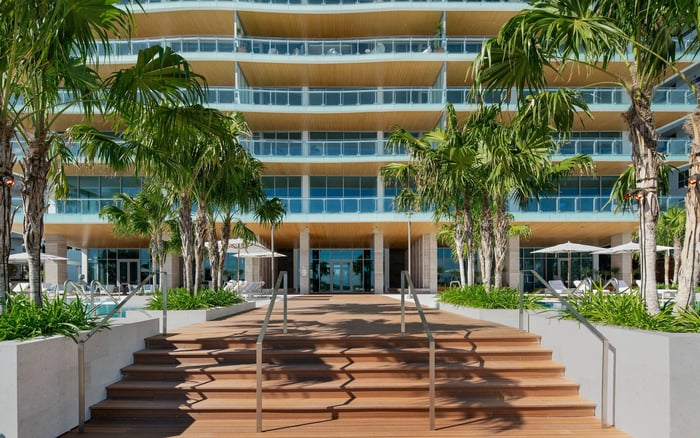
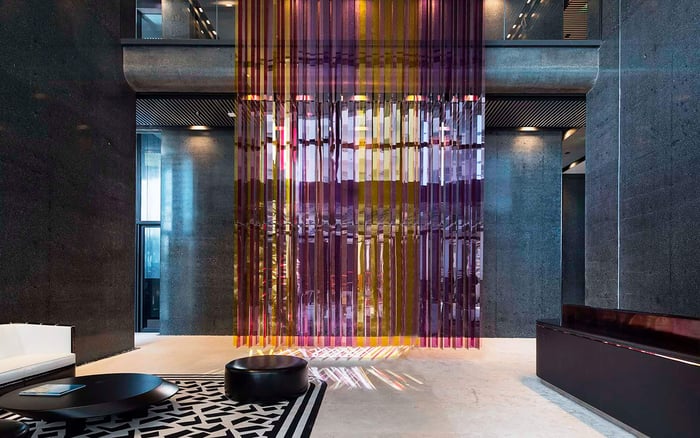
A residence-level framework for Miami Beach buyers using trusts or entities, connecting line selection and everyday comfort with wind-pressure documentation, balcony planning, and elevator continuity.
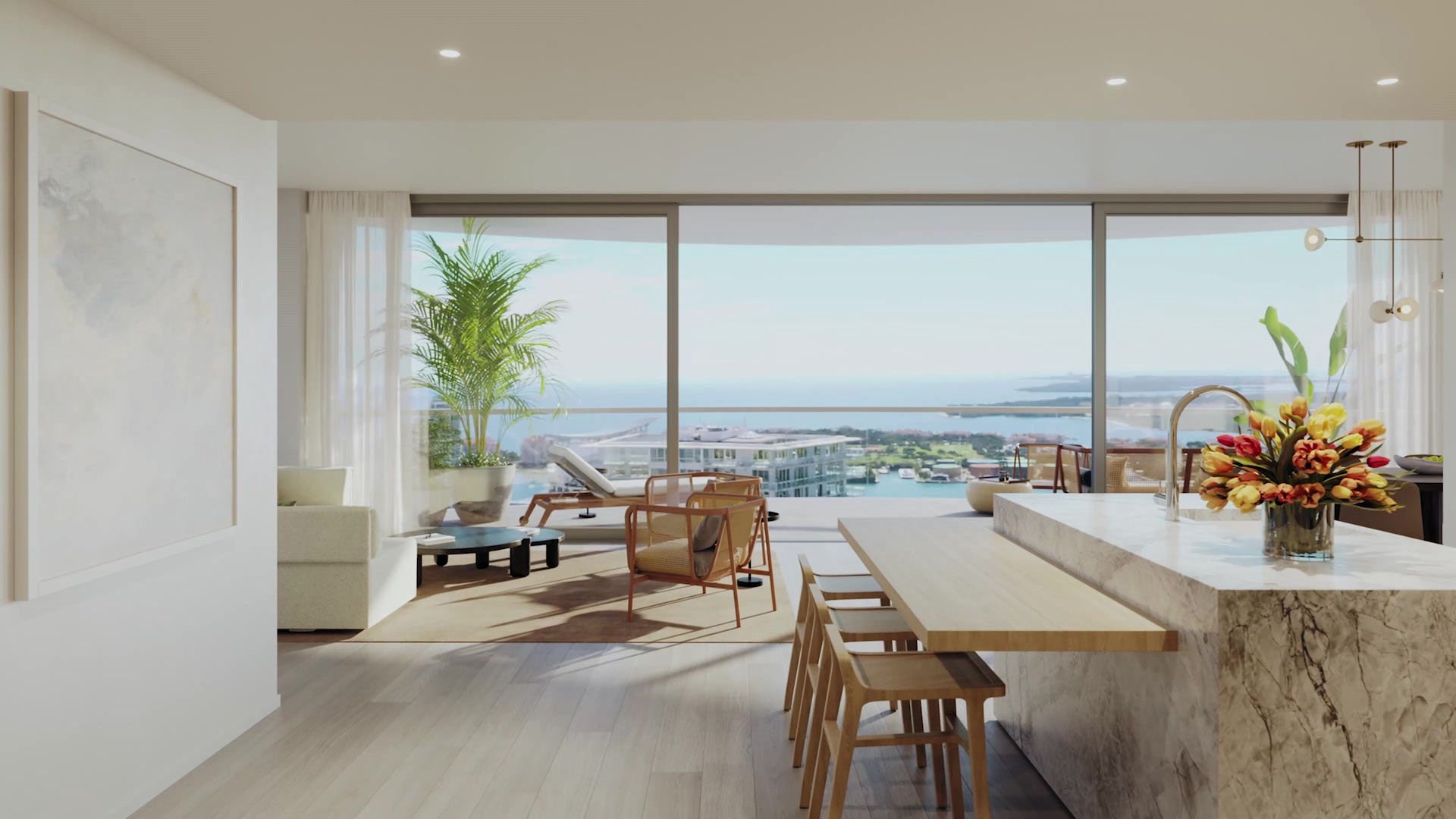
In Miami Beach, an exceptional view is only the beginning of a considered acquisition. The more revealing questions concern the exact residence: how its rooms feel during the hours you occupy them, whether its terrace suits your routines, and what happens when ordinary building services are interrupted.
For a buyer using a trust or entity, a useful approach is to assemble a single residence-level decision file for the buyer, advisers, and designated property representative to review together. This is a practical recommendation, not a special legal requirement of trust or entity ownership. Keep ownership and signing questions with counsel; direct technical and operational questions to the appropriate building professionals.
The objective is not to eliminate every trade-off. It is to understand the compromises that accompany the preferred view, floor, and layout before committing.
A condo line is a vertical stack of units. Comparing lines means examining orientation, views, balcony configuration, and proximity to elevators and stairs-not relying on bedroom count alone.
East-facing lines in Miami Beach oceanfront buildings generally offer direct Atlantic views, but the actual stack plan should guide selection. Request the floor plan and stack plan for each candidate, then mark the principal rooms, outdoor areas, elevator approach, and stair locations. Identify the exact floor in every comparison rather than treating all residences in a stack as interchangeable.
If 57 Ocean Miami Beach is on your shortlist, apply the same residence-level discipline: identify the particular line under consideration and request its supporting plans. A project name is a starting point, not evidence of how a specific home will perform.
Record the buyer’s priorities beside the plan. A household seeking quiet mornings may assess the same layout differently from one that entertains frequently or accommodates guests with limited mobility.
Treat heat gain as a question to investigate, not a conclusion to draw from a compass direction or an expansive wall of glass. Request the selected residence’s glazing specifications and any available unit-specific thermal or mechanical information. Ask a qualified professional to interpret those documents in light of the intended pattern of occupancy.
Where access permits, visit at different hours, especially when the buyer expects to use the principal living spaces. Note direct sunlight, glare, shade coverage, thermostat settings, and whether the rooms feel comfortable. These observations help with comparison; they neither replace technical review nor guarantee year-round conditions.
For a residence under consideration at Faena House Miami Beach, focus the inquiry on the exact rooms and glazing proposed for purchase. Do not assume a project-wide answer resolves the question for every line.
Ask what shading is already installed, what changes would require approval, and whether the relevant specifications describe existing conditions or a proposed installation. Do not adopt a universal glazing target without residence-specific advice.
A wind-speed figure is not a window or balcony-door pressure rating. Wind-pressure requirements vary across a building’s façade, and corner zones can carry particularly high design pressures. A general description such as “hurricane-rated” therefore does not answer the buyer’s unit-level question.
Request written confirmation that the selected residence’s windows and balcony doors meet the wind-pressure and impact-protection requirements applicable to their locations. Ask the reviewing professional to connect the relevant product and installation records to the actual openings, rather than provide a building-wide assurance.
The technical review should also distinguish what is documented from what still requires inspection. If windows or doors have been replaced, request the records for those changes and have the professional assess their relevance.
Keep this inquiry separate from aesthetics. A corner outlook may be highly desirable, but desirability neither establishes the applicable engineering requirements nor confirms compliance. Those conclusions belong in the technical file.
Assess a balcony as both an everyday room and a space that must be cleared for storm preparation. During a permitted visit, consider the intended seating arrangement, door access, available shade, and observed wind conditions. Treat a pleasant afternoon as one observation, not proof of comfort in every season.
When evaluating The Perigon Miami Beach, review the outdoor plan alongside the interior layout. Request dimensions and ask how the proposed furniture arrangement would preserve access. This is a review framework, not a statement about a particular residence’s conditions.
For heavy furnishings or other substantial additions, obtain the building’s applicable code basis and structural records, then seek professional confirmation of suitability. A general balcony design provision does not verify an existing balcony’s capacity.
Hurricane preparation calls for removing all balcony furniture and other objects that could become windborne hazards. Decide where those items would go, who would move them, and how the work would be completed if the owner were away.
Elevator convenience and elevator continuity are different questions. Ask management which elevators and essential systems receive generator power, how long backup operation can continue, and what operating restrictions apply. Do not assume every passenger elevator remains available simply because the building has a generator.
If Five Park Miami Beach enters the comparison, request the same current operational answers you would seek for any other candidate. Neither a building’s profile nor its presentation establishes its backup capabilities.
Hurricane-related outages can leave upper-floor residents dependent on stairs until elevator service returns. Review stair access and emergency egress with management, particularly when occupants may struggle with lengthy descents. Ask how the building’s emergency procedures address their circumstances rather than improvising a plan.
Distinguish elevator backup from comfort inside the home. Confirm separately which in-residence systems, if any, remain powered. Windows should remain completely closed during a hurricane, even if a power loss makes the residence uncomfortable.
Before deciding to purchase, consolidate the findings into a short comparative memo supported by plans, technical documents, and written management responses. For each candidate, separate confirmed facts, observations from visits, and unresolved questions. Assign outstanding items to an adviser or qualified professional rather than allowing reassuring language to stand in for an answer.
For trust or entity buyers, consider naming a property representative and a backup contact for storm preparation and building communications. A written procedure should identify who coordinates balcony clearance and how occupants receive operational updates.
The strongest choice is not necessarily the highest floor or widest panorama. It is the residence whose documented conditions and practical routines align with the people who will use it.
For a considered approach to your Miami Beach residence search, connect with MILLION.
If branded residences are on your mind — as a home or as an allocation — we would be glad to share what we are seeing, privately.
Begin a quiet conversationA condo line is a vertical stack of units. Comparing lines involves orientation, views, balcony configuration, and proximity to elevators and stairs.
East-facing lines in oceanfront buildings generally offer direct Atlantic views. The actual stack plan and selected residence should guide the decision.
This framework does not establish special legal requirements for trust or entity ownership. A shared decision file is a practical recommendation, while ownership questions should be addressed with counsel.
Request residence-specific glazing and available thermal or mechanical information for professional review. Where possible, visit at different hours and record sunlight, glare, shading, and indoor comfort.
No. Window and door pressure requirements depend on their applicable conditions and façade locations, so a general wind-speed figure does not establish their required ratings.
Corner façade zones can carry particularly high design pressures. Buyers should seek confirmation tied to the selected residence’s actual windows and balcony doors.
No. Obtain the building’s applicable code basis and structural records, then have a qualified professional assess the proposed additions.
Hurricane preparation calls for removing all balcony furniture and other objects that could become windborne hazards. Buyers should plan where items will go and who will move them.
Not necessarily. Ask management which elevators receive backup power, how long operation can continue, and what restrictions apply.
Elevator interruptions can leave residents dependent on stairs, so review emergency egress and occupants’ mobility needs. Windows should remain completely closed during a hurricane even if indoor conditions become uncomfortable.