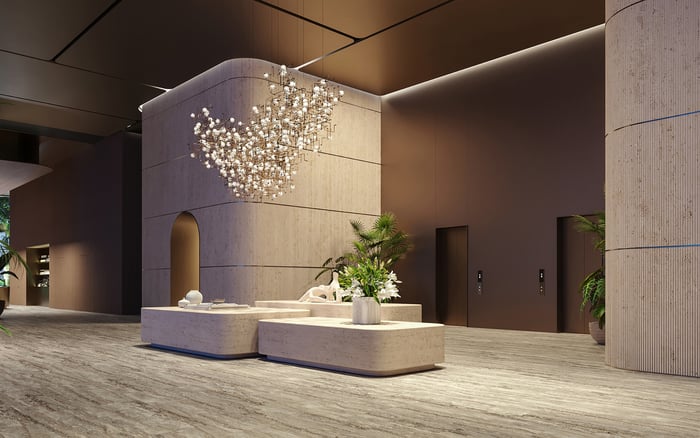
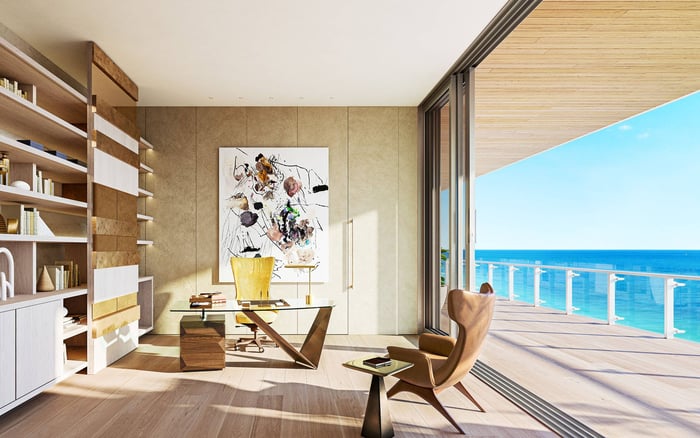
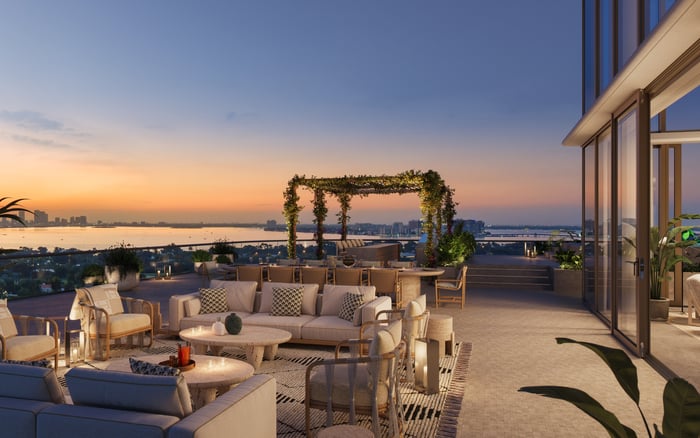
South Florida's newest luxury towers are evolving into full-fledged private clubs, where ownership confers entry to residents-only social, culinary and wellness worlds carefully curated for a select community. From Villa Miami and Shell Bay by Auberge Hallandale to Casa Cipriani Miami Beach and The Perigon Miami Beach, developers are partnering with elite hospitality brands and chefs to deliver club lounges, golf and marina access, and Michelin level dining just an elevator ride away, redefining how discerning buyers evaluate value and privacy.
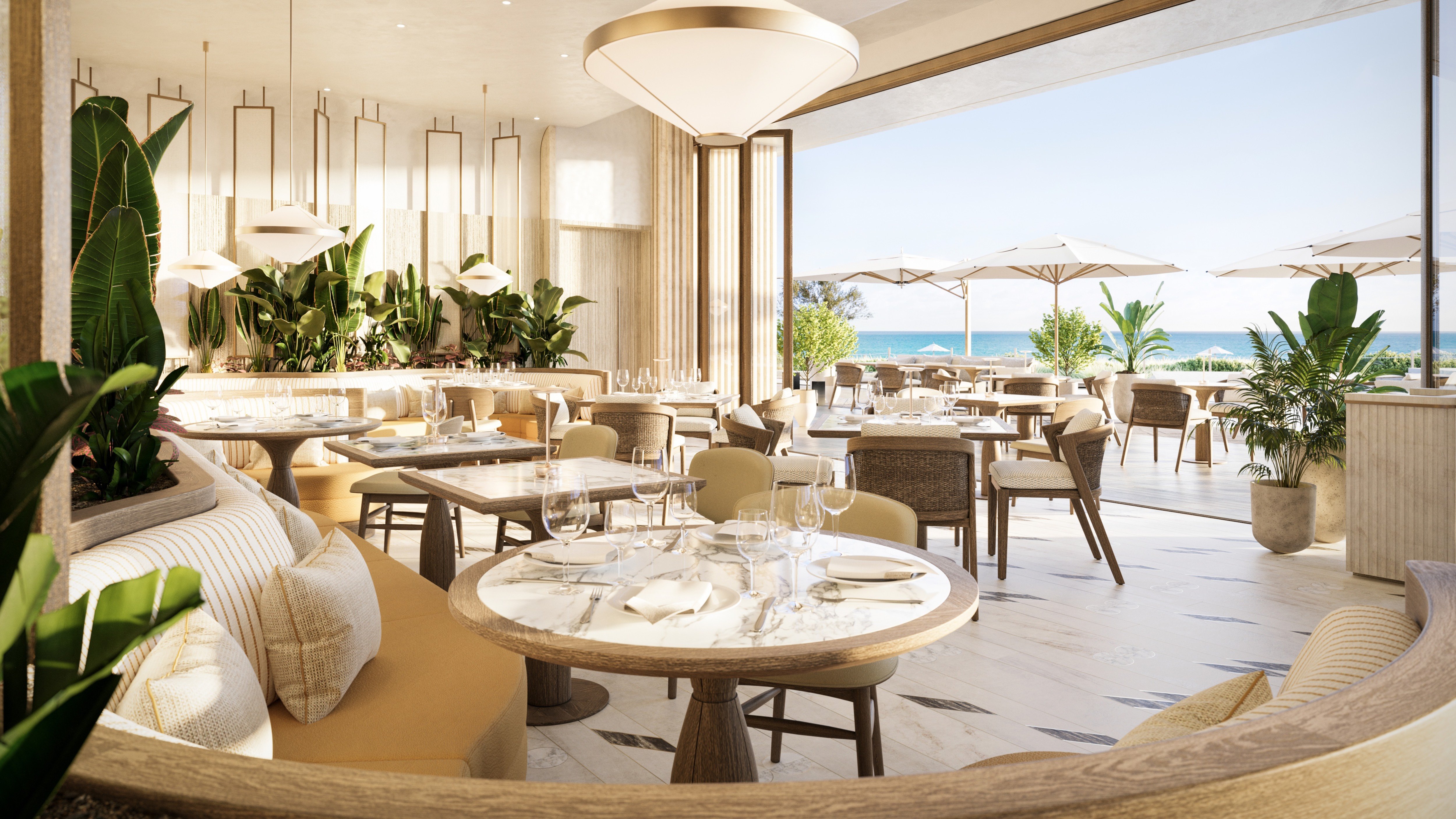
Across Miami, Miami Beach, Fort Lauderdale and Hallandale, a quiet evolution is reshaping what it means to buy a luxury condominium. For a growing segment of affluent buyers, a residence is no longer just a beautifully finished space with ocean views; it is an access key to a curated, members-only world. The newest generation of towers is conceived as private clubs in the sky, where ownership unlocks a tightly managed ecosystem of social, culinary and wellness experiences reserved exclusively for residents and their guests.
At the same time, South Florida's culinary scene has accelerated dramatically, with hundreds of new restaurants and bars opening across the region in recent years. Rather than competing with that energy, top developers are pulling it in-house. Instead of the familiar pool, gym and business center formula, they are commissioning private dining rooms with chef-driven menus, speakeasy lounges that function as resident living rooms, and spa floors that rival the intimacy of a boutique wellness retreat.
This shift has given rise to what MILLION Luxury describes as members-only living: residential environments designed from the outset as clubs with carefully vetted communities, elevated service and a clear sense of identity. Amenities are no longer an add-on line in a brochure; they are the core narrative of the project. Architecture, staffing and programming are all orchestrated to support a lifestyle in which residents can socialize, dine, recharge and even conduct business without stepping outside the property.
For buyers relocating from global capitals such as New York, London or São Paulo, the appeal is immediate. A move to South Florida no longer means piecing together a new social life from scratch. In the right tower, the building's private club becomes an instant community, a trusted third place between home and office. The result is a new competitive frontier for developers and a distinctive value proposition for anyone considering a move to the Miami-beach and Fort-lauderdale luxury corridors.
Resident-only clubs are the clearest expression of this trend. These are not hotel lobbies or lobby bars open to the public; access is limited to owners, their guests and, in some cases, a small number of outside members. The best examples feel like long-established city clubs: hushed libraries and screening rooms, intimate lounges that transition seamlessly from daytime workspace to evening cocktail bar, and terraces designed for sunset gatherings that never feel overcrowded.
At Villa Miami, rising over Biscayne Bay, that concept is distilled into The Copper Club, a three-level private club embedded within the tower. Curated in partnership with the team behind Carbone and other Major Food Group destinations, The Copper Club is envisioned as a 24-hour hospitality engine for the building. Residents might move from a morning espresso at the club lounge to a working lunch in a paneled private dining room, then upstairs for a late-night drink overlooking the lights of downtown, all without leaving their own address.
Beyond its culinary pedigree, Villa Miami's club program extends into wellness, culture and arrival. A full spa floor with treatment rooms and relaxation areas, artistically programmed salons and a dramatic rooftop heli-lounge linked to the tower's helipad signal the level of access expected by global buyers. With only a limited number of residences in the building, membership in this world is inherently scarce, reinforcing the notion that an apartment key also functions as a club card.
Farther north, Shell Bay by Auberge Hallandale reimagines the private country club community for a coastal South Florida setting. Here, ownership in The Residences at Shell Bay is paired with automatic membership in an ultra-private club anchored by a Greg Norman designed championship golf course, a serious racquet program and a deep-water marina with private slips. The clubhouse, with its spa, multiple dining rooms and event terraces, is conceived as an extension of home: a place where residents can spend full days without ever feeling they have left the property.
On the ocean side of the causeway, Casa Cipriani Miami Beach brings the aura of a storied private members' club directly to Collins Avenue. A limited collection of condominium residences shares the building with a small all-suite hotel and an elite club known for its old-world service, live music and quiet discretion. For an owner, that means waking to ocean views, descending to breakfast in a familiar club dining room, then slipping into a spa or lounge environment where staff know preferred tables, cocktails and privacy expectations.
In Fort Lauderdale and nearby coastal cities, newly redeveloped waterfront enclaves layer similar privileges into larger mixed-use settings, pairing hotel, marina and residences with invitation-only clubs that grant access to private dining rooms, garden lounges and curated events. Membership tiers often extend beyond a single address, linking owners into national or even global networks of sister clubs. For high-profile residents, this model offers both a protective bubble and a ready-made social circle of like-minded neighbors drawn to the same carefully curated lifestyle.
If private clubs define the social fabric of these buildings, chef partnerships are increasingly their calling cards. The affluent buyer now expects restaurant-quality dining as part of daily life, not an occasional splurge across town. In response, developers are courting Michelin recognized chefs and renowned hospitality groups to design restaurants, bars and in-residence dining programs that could stand alone as destination venues but are reserved primarily for residents.
A case in point is The Perigon Miami Beach, a boutique tower where just over eighty residences share a residents-only oceanfront restaurant led by Michelin-starred chef Shaun Hergatt. Conceived as an intimate, Mediterranean-inspired dining room rather than a large hotel outlet, the restaurant allows owners to treat a midweek dinner as effortlessly as ordering room service, while still enjoying cuisine and wine curation at the level of a serious standalone destination. A companion speakeasy-style lounge extends the experience late into the evening, giving the building its own in-house night spot that never feels public.
At Villa Miami, Major Food Group's involvement goes far beyond lending a logo to the brochure. The group is designing an entire food and beverage ecosystem for the property, from a waterfront signature restaurant at the base of the building to bespoke menus for the club's private dining rooms and in-residence entertaining. Residents can expect pantry programs built around the chefs' preferred ingredients, tailored tasting menus for intimate dinner parties and cocktail lists that evolve with the seasons. The same relentless attention to detail that made the group's restaurants famous is applied to the rhythm of everyday life in the tower.
Other projects take a more specialized approach, focusing on connoisseurship as an amenity. In downtown Miami, new towers at Miami Worldcenter are introducing dedicated tequila and spirits tasting rooms designed by leading hospitality architects, giving residents a private bar environment with skyline views and curated back bars. Uptown on the financial district's ridge, The Residences at 1428 Brickell is envisioned with a dramatic two-story wine and spirits lounge high in the tower, complete with wine lockers, a tasting salon and a resident beverage director to oversee programming. For collectors who travel frequently, knowing their bottles are stored, cataloged and ready for an impromptu tasting with friends adds a satisfying layer of continuity to life between cities.
Even beyond food and wine, buildings are experimenting with hospitality-style spaces that blend culture and mixology. In Fort-lauderdale, upcoming branded residences pair hotel-level services with a private rooftop sound bar that is part listening room, part cocktail lounge and part event venue. Think floor-to-ceiling views, carefully tuned acoustics, curated vinyl libraries and personal liquor lockers, all reserved for residents. These are the kinds of spaces that, in another era, would have belonged to a members-only club across town; now they exist just a short elevator ride from an owner's bedroom.
For buyers evaluating South Florida's new inventory, members-only living directly influences how value is perceived. Square footage, ceiling heights and appliance packages still matter, but they are no longer the sole benchmarks of luxury. The quality of the private club, the chef partnerships in place, the programming calendar and the level of staffing all play into how effortless daily life will feel. In a building where the club is active from breakfast to late night, the amenity package effectively replaces the need to maintain multiple external memberships.
Financially, these privileges are typically structured through a combination of common charges and, in some cases, one-time or annual club dues. Initiation fees for the most exclusive environments can be substantial, yet they are often modest relative to the overall purchase price or the cost of assembling similar experiences piecemeal throughout the city. Prospective owners should understand whether club membership is deeded with the residence, whether it can be transferred or sold and how many non-resident members, if any, are permitted to join.
Privacy and discretion remain central. Many of the clubs aligned with South Florida's top towers adopt policies familiar from legacy urban institutions: restrictions on photography, quiet but effective security and a culture of staff who understand when to appear and when to fade into the background. For high-profile individuals, the ability to host a client lunch, enjoy a family celebration or simply have a drink at the bar without being observed by the general public is not a luxury; it is a prerequisite.
Equally important is the community that forms inside these spaces. Club programming, from chef's table dinners and winemaker evenings to wellness workshops, children's activities and art talks, gives residents natural points of connection. For someone relocating to South Florida with little existing network, a building such as Casa Cipriani Miami Beach, Shell Bay by Auberge Hallandale or Villa Miami can function as both home and social club, introducing neighbors who share similar interests, travel patterns and expectations of service.
When working with clients, MILLION Luxury encourages a disciplined approach: tour the club levels at different times of day, sample the culinary offerings, understand the membership structure and ask how the development team plans to maintain exclusivity as the building matures. In a market where many towers now boast resort-style amenities, the properties that will truly endure are those where the members-only experience feels authentic, thoughtfully programmed and intimately scaled to the number of residences. For buyers seeking that balance of privacy, service and sociability, South Florida's new club-centric towers offer compelling options, and the specialists at MILLION Luxury are available to help identify the addresses that align best with each client's lifestyle.
What is members-only living in a South Florida condo?
It is a residential model in which a condominium tower is designed to function as a private club for owners and, in some cases, a small circle of invited members. Access to social spaces, dining venues and wellness facilities is restricted, and the entire service experience is curated around the expectations of a relatively small, vetted community.
How do private club fees usually work in these buildings?
Most members-only buildings fund daily operations through a mix of association fees and, for the most exclusive clubs, separate initiation fees or annual dues. The details vary by project, so buyers should review the budget, membership documents and any policies related to transfers, resales and non-resident members before committing to a purchase.
Which South Florida areas are leading this members-only trend?
Miami Beach and the wider Miami-beach coastline, the urban core of Brickell and downtown Miami, emerging enclaves in Hallandale and the waterfront skyline of Fort-lauderdale are all seeing new projects built around private clubs and culinary partnerships. Palm Beach County is also beginning to adopt similar concepts, especially in branded resort-style communities.
What should I look for when comparing members-only amenities?
Beyond headline features, focus on the scale and quality of the club relative to the number of residences, the strength of the culinary partnership, the depth of the wellness offering and the programming calendar. It is also important to understand how privacy is protected and whether the amenity mix aligns with how you actually live day to day.
If branded residences are on your mind — as a home or as an allocation — we would be glad to share what we are seeing, privately.
Begin a quiet conversation