A waterfront purchase does not create a blanket right to lower mangroves or open a view. Height, shoreline dimensions, documented trimming history and county jurisdiction determine what a new owner may do.
A South Florida waterfront home can offer an exceptional connection to the water, but the vegetation between terrace and shoreline is not simply another landscape feature. Mangroves are regulated under Florida’s Mangrove Trimming and Preservation Act. Buying the property does not create a blanket right to lower them, remove them or reshape the shoreline.
The distinction matters when a purchase depends on an envisioned improvement: a wider bay view, a clearer sightline from the pool or easier access to a proposed dock. Those ambitions should be evaluated before closing, not handed to a landscaping crew afterward.
For buyers comparing a private shoreline with residential options such as Vita at Grove Isle in the Coconut Grove area, the question is not merely what water is visible today. It is what vegetation work can lawfully be undertaken and maintained. The answer must be property-specific, not based on assumptions about any particular residence.
A limited homeowner trimming exemption may apply when mangroves are no more than 10 feet tall and sit within a qualifying riparian mangrove fringe. That fringe generally consists of shoreline mangroves extending no more than 50 feet waterward.
These are eligibility conditions, not permission to cut any mangrove within sight of the house. The statutory exemption concerns qualifying mangroves on land owned or controlled by the person conducting or supervising the work, or on immediately perpendicular sovereign submerged lands. Vegetation beside a property should not automatically be treated as vegetation the owner controls.
Under the homeowner exemption, mangroves generally cannot be trimmed below six feet above the substrate, meaning the ground surface. Six feet is therefore generally a minimum retained height under that exemption, not a universal entitlement to reduce every tree to that level.
Shoreline length also matters. For shorelines of 150 feet or less, the exemption can cover the qualifying fringe, subject to the remaining conditions. For shorelines longer than 150 feet, it limits trimming to no more than 65% of the mangroves along the shoreline. A longer waterfront boundary does not permit unrestricted trimming across its full extent.
Mangroves taller than 10 feet may qualify for certain exemptions, but the work generally requires a Professional Mangrove Trimmer, or PMT. Mangroves outside a qualifying riparian fringe generally require both a permit and a PMT for trimming.
An ordinary landscaper does not satisfy a requirement to use a PMT. For an owner assembling a team of landscape designers, gardeners and waterfront contractors, this distinction warrants explicit attention. Ask who will evaluate the mangroves, who will perform the work and which approval or exemption supports the proposed scope.
Timing matters, too. First-time trimming of red mangroves by a PMT under the applicable exemption may require notice to the responsible state agency or delegated local government at least 10 days before work begins. Do not schedule the work around a move-in date until any notice requirements have been resolved.
A professional’s involvement does not make every proposed alteration permissible. The work must still meet the applicable conditions.
Miami-Dade and Broward administer delegated mangrove-regulation programs. The property’s jurisdiction is therefore central to determining the approval process, even when the proposed work appears to fit a state exemption.
In Miami-Dade, most mangrove trimming, alteration or removal requires a Class I Environmental Permit, including projects within municipalities. Some minor trimming projects do not require county or state permits, but the exact work must qualify for the applicable exception. A Miami Beach address, for example, is not a reason to bypass the county inquiry.
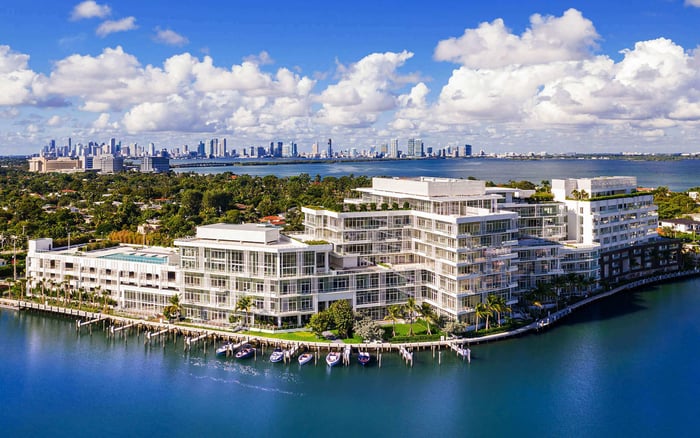
When comparing a private waterfront home with The Ritz-Carlton Residences® Miami Beach, buyers should distinguish the appeal of a setting from any assumed right to change it. Neither a project name nor a waterfront description establishes mangrove permissions.
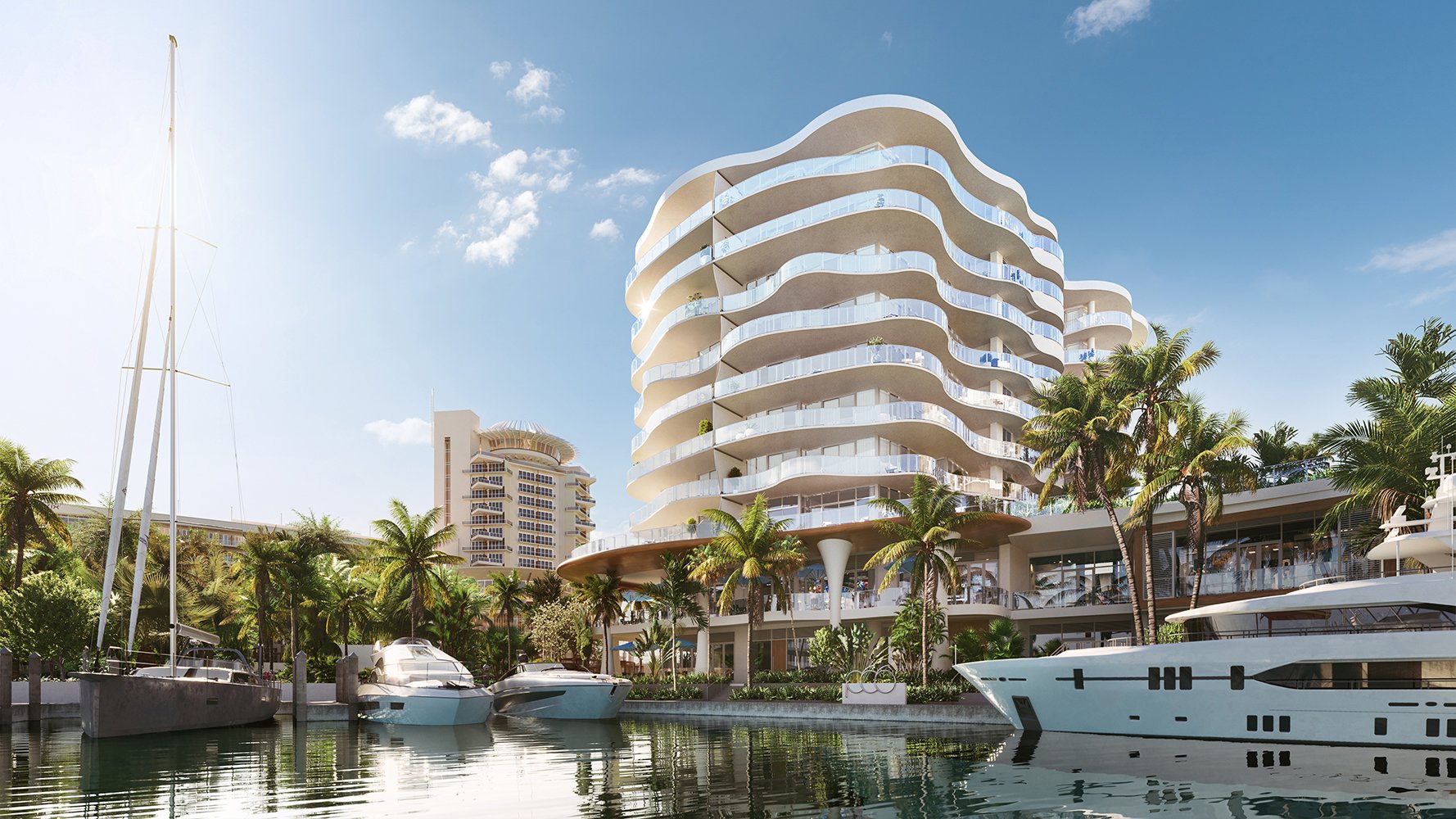
In Broward, all mangrove trimming or alterations require a county Environmental Resource License, with licensing fees applicable. Any required state mangrove-trimming permit is issued concurrently with that county license. Buyers considering Fort Lauderdale residences, including Sixth & Rio Fort Lauderdale, should keep those county requirements separate from broader residential comparisons.
Legally, trimming means cutting branches, twigs, limbs or foliage. It does not mean removing, defoliating or destroying mangroves. A trimming exemption does not authorize those more substantial interventions, and the statutory exemption requires that no herbicide or other chemical be used to remove mangrove foliage.
This distinction is especially important when a design proposal combines several objectives. Lowering branches, clearing vegetation and creating a dock approach are not interchangeable scopes of work. Each proposed action should be described precisely, rather than grouped under a general instruction to improve the view.
Docks, seawalls, dredging and filling can require environmental authorization beyond mangrove-trimming approval. Miami-Dade’s Class I program, for example, covers work in, on, over or upon tidal waters and coastal wetlands. Approval for vegetation maintenance should never be read as approval for a larger shoreline renovation.
Before committing to a view-dependent purchase, request the survey, shoreline measurements, prior mangrove permits, documented trimming configurations and seawall or dock records. Together, these materials provide a basis for evaluating the proposed work without relying on a seller’s description.
Historically established and verified trimming configurations can affect permissible maintenance. The general six-foot minimum is therefore not the only consideration, but a seller’s familiar trimming pattern is not, by itself, proof of permission. Ask for documentation supporting the configuration the buyer expects to maintain.
Photograph existing conditions and define the intended work clearly. Then request a written exemption or permitting determination from the responsible agency before cutting. If a particular sightline is central to the purchase, resolve that question during due diligence rather than treating it as a routine post-closing improvement.
The most useful ownership plan separates three things: existing conditions, documented maintenance rights and proposed changes requiring further review. This approach allows the home’s landscape and water outlook to be considered together without promising an alteration that has not been authorized.
For a new owner, restraint at the outset preserves options. Establish the jurisdiction, verify the records and obtain a determination for the exact scope before commissioning the work.
Explore South Florida waterfront living with MILLION.
If branded residences are on your mind — as a home or as an allocation — we would be glad to share what we are seeing, privately.
Begin a quiet conversationOwnership alone does not establish permission to trim. Confirm the applicable exemption, professional requirements and county approvals before work begins.
It may apply to mangroves no more than 10 feet tall within a qualifying riparian mangrove fringe, subject to ownership or control requirements and other statutory conditions.
It generally consists of shoreline mangroves extending no more than 50 feet waterward. Whether a particular shoreline qualifies should be confirmed before trimming.
No; six feet above the ground surface is generally the minimum retained height under the homeowner exemption, not a blanket trimming right.
For shorelines of 150 feet or less, the exemption can cover the qualifying fringe subject to other conditions. For longer shorelines, it limits trimming to no more than 65% of the mangroves along the shoreline.
Trimming mangroves taller than 10 feet generally requires a PMT under applicable exemptions. Trimming outside a qualifying riparian fringe generally requires both a permit and a PMT.
No; a trimming exemption does not authorize removal, destruction or defoliation, and the statutory exemption prohibits using herbicides or other chemicals to remove foliage.
Miami-Dade requires a Class I Environmental Permit for most mangrove work, with exceptions for qualifying minor trimming. Broward requires a county Environmental Resource License for all mangrove trimming or alterations.
Not automatically; historically established and verified configurations can affect maintenance, but the seller’s practice should be checked against permits and supporting documentation.
Not necessarily; docks, seawalls, dredging and filling can require separate environmental authorization beyond approval for mangrove trimming.