A shared Fisher Island residence works best when siblings agree on calendars, privacy, expenses and exit terms before selecting a floor plan at Palazzo della Luna.

Buying a residence with siblings begins with a question more consequential than exposure or finishes: what, precisely, will the family share? At Palazzo della Luna, the setting offers an appealing framework for gathering. The 50-residence, 10-story condominium at 6800 Fisher Island Drive has configurations described as three to seven bedrooms, with approximately 3,724 to 10,194 interior square feet.
Yet generous dimensions do not resolve competing expectations. One sibling may envision school holidays with children; another may want extended winter stays with occasional guests. Before comparing residences, agree whether the property will serve principally as a family gathering place, a rotating retreat or a home for several households at once.
The best shared residence has a layout that supports an agreement already made. Begin with a written family-use brief, then let it guide the search.
Build a sample year before building a shortlist. Each sibling should identify preferred visits, essential holidays and likely guest stays. Mark where those requests overlap, including arrival and departure days. A calendar with no overlap calls for a different bedroom assessment than one built around recurring family reunions.
Decide whether ownership contributions and occupancy rights will follow the same proportions. Equal contributions need not mean identical dates, but any alternative should be explicit. Establish a holiday rotation, booking deadlines, cancellation expectations and a method for releasing unused dates.
Distinguish accompanied guests from guests staying without an owner. Consider adult children, partners, friends and household staff separately. These are family-planning decisions, not statements of condominium permissions; the arrangement must remain consistent with current governing documents.
For a family also considering Palazzo del Sol, carry the same calendar into the comparison. The useful question is not which address feels more impressive, but which specific residence accommodates the family's agreed pattern of use.
Palazzo della Luna residences are described as having private elevator access and flow-through layouts. Those features deserve close examination when several sibling households will share a home, but neither replaces a careful reading of the individual plan.
Trace an ordinary morning. Can early risers reach the kitchen without passing sleeping children? Does each household have sufficient bathroom access? Is there somewhere for a private call while others gather? Consider where luggage, beach belongings and personal possessions will remain between visits.
Agree on the minimum acceptable private accommodation for each household before viewing. If one suite is materially preferable, decide whether it will rotate, remain assigned or be addressed through another agreed arrangement. Leaving that question until after closing gives architecture an unnecessary role in family negotiations.
Then stage an overlapping visit on paper. Allocate every bedroom and identify where children, guests and staff would sleep. A residence that works beautifully for alternating stays may feel quite different when everyone arrives together.
Residences are described as having 10- to 15-foot ceilings, floor-to-ceiling glass and large terraces. Confirm the dimensions and configuration of the particular unit rather than treating building-wide descriptions as a promise about every home.
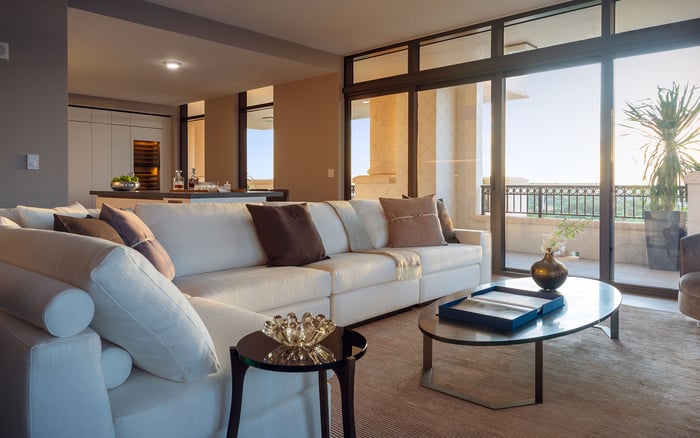
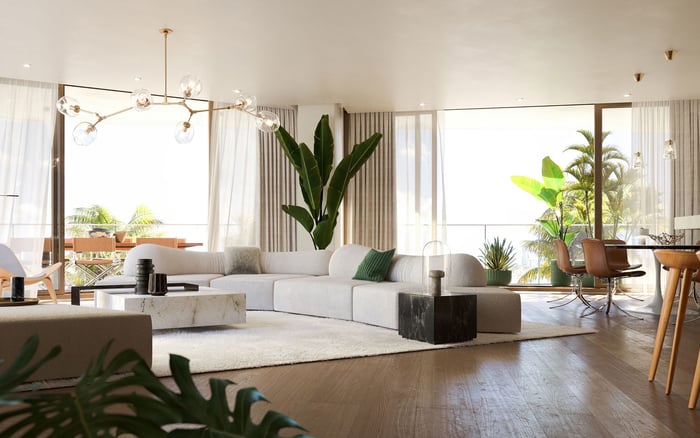
Evaluate the terrace as living space: room for the family's intended dining arrangement, circulation around furniture and places to sit apart. Indoors, examine whether conversation, television and quiet reading can coexist without constant negotiation.
Italian marble, European kitchens, and Wolf and Sub-Zero appliances are among the marketed specifications. For siblings, the practical test is how the actual kitchen and gathering spaces function during a full-house weekend. Finishes establish atmosphere; circulation and usable space determine whether sharing feels effortless.
The amenities include two infinity-edge pools, a pool bar and a spa cabana. An indoor/outdoor waterfront lounge with a butler-serviced aperitivo bar and an adjacent reading lounge offers additional settings beyond the residence.
A children's playroom, gym, media room and business center may also shape the family's routine. Wellness facilities include a beauty salon and two private treatment and massage suites. These spaces can broaden the possibilities for a shared day, but should not be counted as guaranteed substitutes for private rooms.
Verify operating arrangements, guest access and any reservation requirements before incorporating amenities into the family-use plan. Distinguish building services, including a multilingual concierge in the south lobby, from Fisher Island Club services. Confirm membership terms, charges and any transfer provisions separately.
Separate the acquisition contribution from the operating agreement. With Florida legal and tax advisers, document how the siblings intend to allocate recurring expenses, usage-related costs, reserve funding and unexpected obligations. Clarify whether costs follow ownership shares, actual use or another agreed formula.
Define who may authorize routine spending and what requires broader approval. Furnishings, repairs and larger improvements deserve clear thresholds, not assumptions about who will manage the home. Establish a process for unpaid obligations before an overdue contribution becomes a personal dispute.
Exit terms deserve equal attention. Ask advisers to address a sibling's wish to sell, a proposed buyout, valuation procedures and unresolved disagreements. The objective is not to anticipate every family change, but to establish a workable process before circumstances become urgent.
Before committing, review the declaration, articles, bylaws, rules, current budget, annual financial statements, meeting minutes, assessment information, insurance certificates and resale disclosures. Obtain current condominium dues and assessment details rather than relying on assumptions drawn from another residence.
Rental restrictions, club fees, membership transferability and availability require separate confirmation. A family agreement cannot override association rules. Have counsel check the proposed ownership and use arrangements against the governing documents and advise on the appropriate legal structure.
Ferry-based access also belongs in the practical review. Work through arrivals for siblings, guests and household staff, especially when schedules differ. For households balancing island stays with Miami Beach commitments, test the intended routine rather than treating arrival logistics as an afterthought.
If the search includes The Residences at Six Fisher Island, apply the same brief rather than changing expectations with each viewing. Compare individual plans, current rules and verified costs against the same anticipated year of use.
Return to Palazzo della Luna with the calendar, privacy requirements and financial framework settled. The right residence should make that agreement easier to live with, not require the siblings to renegotiate it every holiday.
For a discreet conversation about matching your family's shared-use priorities to a Fisher Island residence, connect with MILLION.
If branded residences are on your mind — as a home or as an allocation — we would be glad to share what we are seeing, privately.
Begin a quiet conversationAgree on the property's primary purpose, overlapping occupancy, private accommodation, guest permissions and holiday scheduling. Use those decisions to create a written brief for comparing residences.
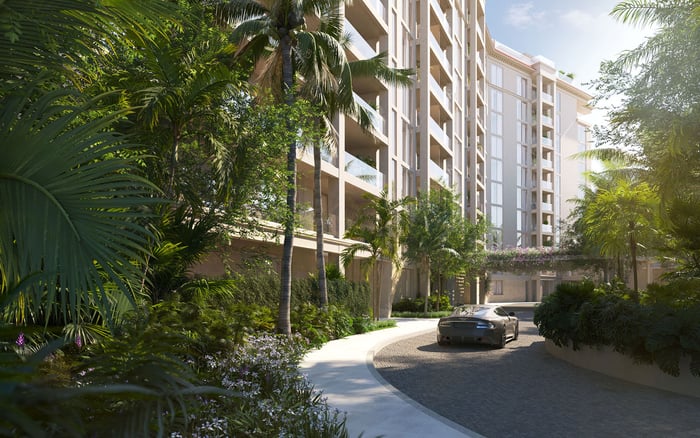
Palazzo della Luna is a 50-residence, 10-story condominium at 6800 Fisher Island Drive on Fisher Island.
Residence configurations range from three to seven bedrooms and approximately 3,724 to 10,194 interior square feet. Confirm the dimensions and layout of the specific unit.
Separate households may keep different schedules and need privacy during overlapping visits. Evaluate bathroom access, circulation and quiet space rather than relying on bedroom count alone.
Consider a rotating holiday calendar with booking deadlines and a process for releasing unused dates. Document the arrangement so preferred dates do not become recurring negotiations.
That requires confirmation in the current condominium documents. Siblings should agree on their own guest policy, but it must remain consistent with association rules.
Amenities include two infinity-edge pools, a waterfront lounge, a reading lounge, a children's playroom, a gym, a media room and a business center. Verify current access and operating arrangements.
They should be evaluated separately. Confirm club membership terms, charges and any transfer provisions rather than assuming they accompany building services.
Address contributions, recurring expenses, reserves, spending approvals, unpaid obligations and exit or buyout procedures. Florida legal and tax advisers should help formalize the arrangement.
Review the governing documents, current budget, financial statements, meeting minutes, assessment information, insurance certificates and resale disclosures. Verify current dues, rental restrictions and relevant membership terms separately.