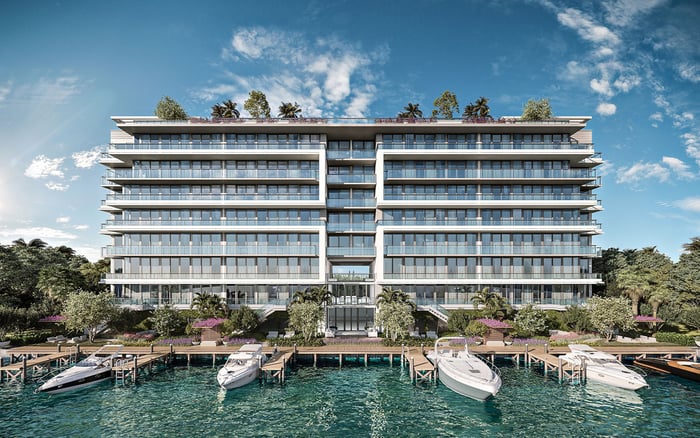
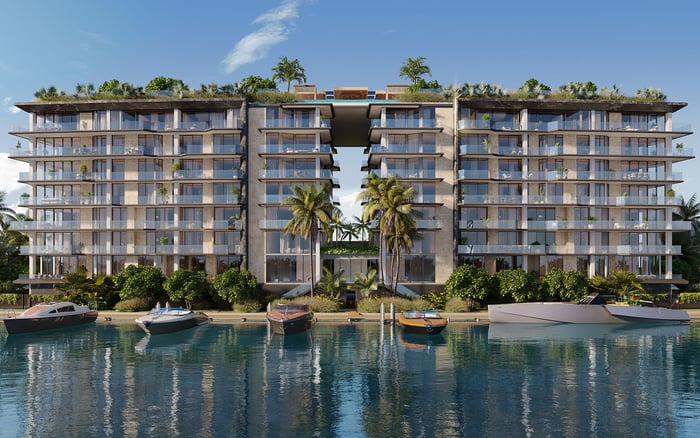
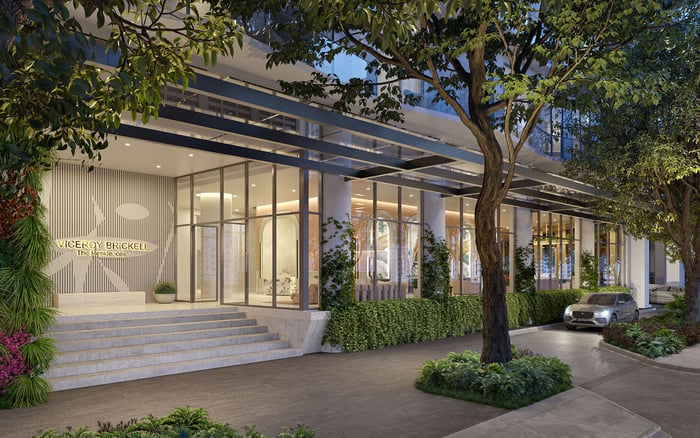
A buyer-focused framework for evaluating the operating model behind Bay Harbor Towers, from staffing and marina access to wellness amenities, parking, budgets, insurance, reserves, and contractual protections.
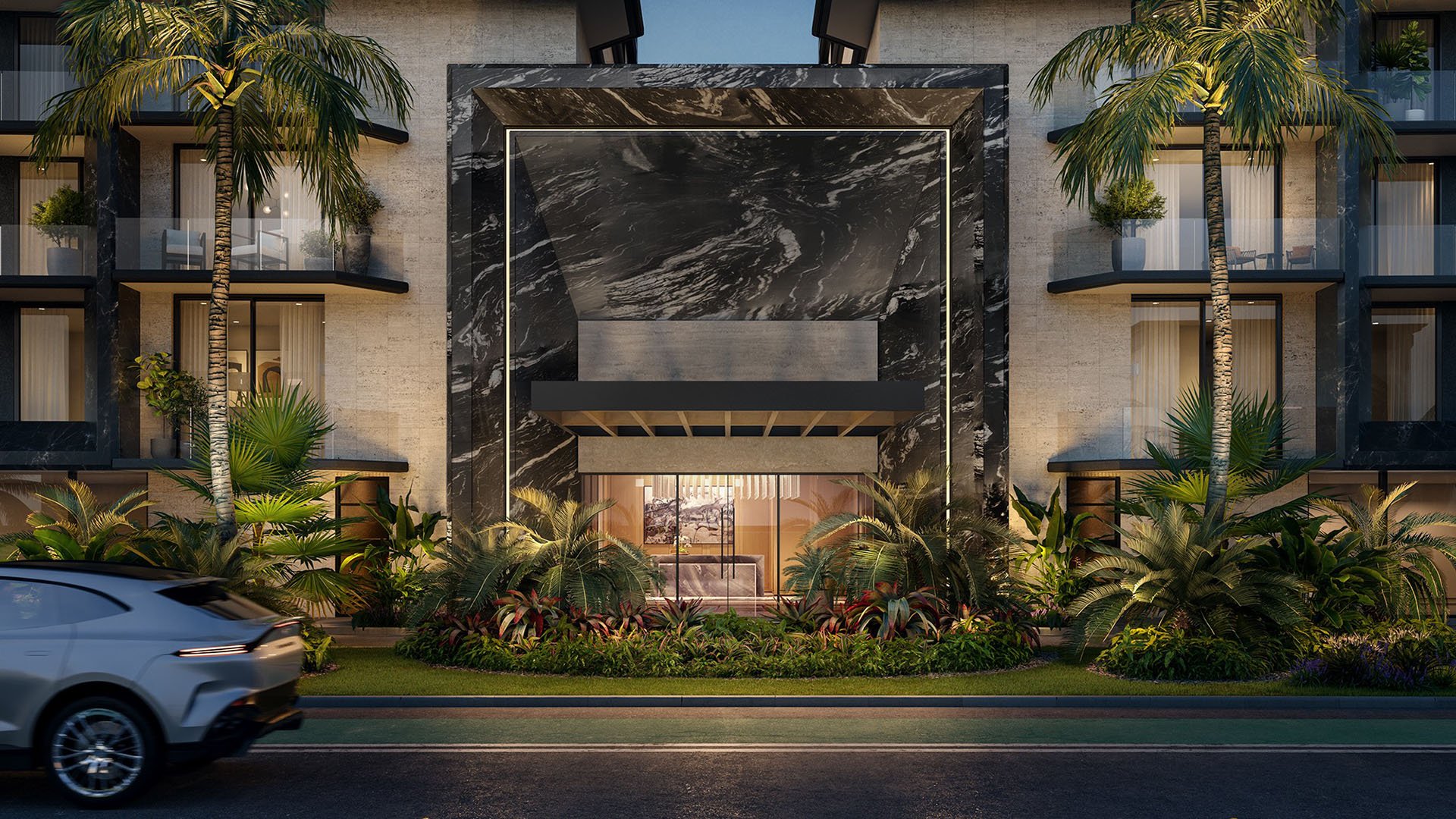
For buyers considering Bay Harbor Towers, the central diligence question is whether the proposed operating model can support the experience presented during sales. Architecture, interiors, views, and amenities shape first impressions, but staffing, maintenance, governance, and financial planning determine how a condominium performs after closing.
Buyers should ask for written details rather than rely on broad service language. The purchase agreement, condominium documents, proposed budget, rules, and amenity schedules should define what will be delivered, who will operate it, and which costs owners will bear.
Concierge, reception, security, and valet descriptions should be tested against a proposed staffing chart. Request service hours, overnight coverage, escalation procedures, response standards, and the division of responsibility between employees, contractors, and the property manager.
Operational details also matter. Clarify package handling, key custody, guest access, vendor entry, move-in scheduling, pet procedures, and protocols for an owner who is away. For valet, ask who supervises attendants, how claims are handled, whether service is mandatory, and how peak demand will be managed.
Tours of nearby projects such as Onda Bay Harbor and La Maré Bay Harbor Islands can help buyers refine questions about arrival, privacy, staffing, and waterfront routines. Comparisons should be used to identify diligence priorities, not to assume that different condominiums share the same services or rules.
Any marina-related benefit should be documented with precision. Buyers should determine whether access is assigned, licensed, leased, purchased, shared, or subject to availability. The documents should also explain whether a marina right transfers with the residence and whether separate agreements or charges apply.
Ask about permitted vessel dimensions, insurance requirements, utilities, guest use, waiting lists, operating hours, maintenance responsibility, and repair costs. Storm procedures should identify vessel-removal obligations, securing deadlines, staff authority, and the expenses that may fall to an owner.
Storage and launch facilities require similar scrutiny. Written rules should address access, equipment restrictions, liability, and closures so buyers can distinguish a practical ownership benefit from a marketing concept.
Wellness and rooftop spaces should be evaluated as operating systems rather than a list of features. Buyers should ask who manages reservations, sets guest limits, enforces quiet hours, schedules cleaning, and controls access during maintenance or weather-related closures.
Specialized spaces may require dedicated maintenance, staffing, utilities, and replacement planning. Those assumptions should appear in the proposed budget and supporting contracts. If treatments or private practitioners are contemplated, clarify whether management coordinates them or residents arrange them independently.
Buyers comparing wellness-oriented concepts such as The Well Bay Harbor Islands should focus on governance, access terms, and recurring costs rather than comparing amenity names alone.
Any beach-related access or service should also be confirmed in writing. Relevant questions include who operates it, how access works, whether transportation or fees apply, and what restrictions govern residents and guests.
Parking rights should be traceable to the governing documents. Verify whether spaces are deeded, assigned, shared, or controlled through valet operations. Buyers should also ask about guest parking, electric-vehicle charging, electricity billing, accessibility, and any limits on vehicle size or storage.
The proposed association budget deserves a line-by-line review. Examine payroll, management fees, insurance, utilities, security, amenity maintenance, marina-related costs, reserves, and contingencies. Identify services excluded from regular assessments and expenses that may be billed individually.
A polished common area still requires cleaning, landscaping, utilities, repairs, and eventual replacement. The objective is not simply a low assessment; it is a credible budget capable of supporting the promised residential experience without concealing foreseeable costs.
Request the complete condominium offering package, proposed budget, reserve assumptions, insurance summary, declaration, rules, management information, valet policy, marina agreement, parking schedule, and amenity schedule. Qualified counsel should reconcile material sales representations with the purchase agreement and governing documents.
Any residence-specific feature requires additional precision. Confirm ownership boundaries, maintenance access, utility responsibility, repair obligations, replacement standards, and whether use is private, shared, or restricted. Apply the same review to terraces, finishes, storage, parking, and delivery condition.
Scenario-based questions can reveal gaps. Ask how management would handle a late-night guest, an extended owner absence, severe-weather preparation, a full valet queue, an amenity closure, or an urgent repair. Clear, documented procedures provide more useful evidence than general assurances.
What is the most important operational question before buying at Bay Harbor Towers? Determine whether the proposed staffing, maintenance, governance, and budget can consistently support the experience described in the sales materials.
Which documents should a buyer request? Request the purchase agreement, condominium documents, proposed budget, insurance summary, rules, management information, and all schedules governing amenities, parking, and marina access.
How should concierge and reception services be evaluated? Ask for proposed staffing levels, service hours, overnight coverage, escalation procedures, and response standards in writing.
What should buyers verify about valet operations? Confirm supervision, contractor responsibilities, claim procedures, peak-demand planning, operating hours, and whether valet use is mandatory.
How should marina access be reviewed? Establish the legal form of the access right, its transferability, availability, costs, vessel restrictions, insurance requirements, and storm procedures.
What matters when evaluating wellness amenities? Review access rules, reservation systems, guest limits, cleaning schedules, staffing, maintenance requirements, and the related budget assumptions.
What should be confirmed about beach-related access? Obtain written terms covering the operator, eligibility, transportation, fees, operating periods, restrictions, and guest use.
How should parking and electric-vehicle charging be assessed? Verify space allocation, ownership or assignment, guest parking, valet controls, charging access, and electricity billing.
Why is the proposed association budget important? It shows whether staffing, insurance, utilities, maintenance, reserves, and contingencies have been incorporated into the anticipated cost of ownership.
How can buyers test whether the operating plan is credible? Present realistic scenarios and ask for the written procedures, responsible parties, and budget provisions that would govern each response.
For a confidential assessment and a building-by-building shortlist, connect with MILLION.
If branded residences are on your mind — as a home or as an allocation — we would be glad to share what we are seeing, privately.
Begin a quiet conversation