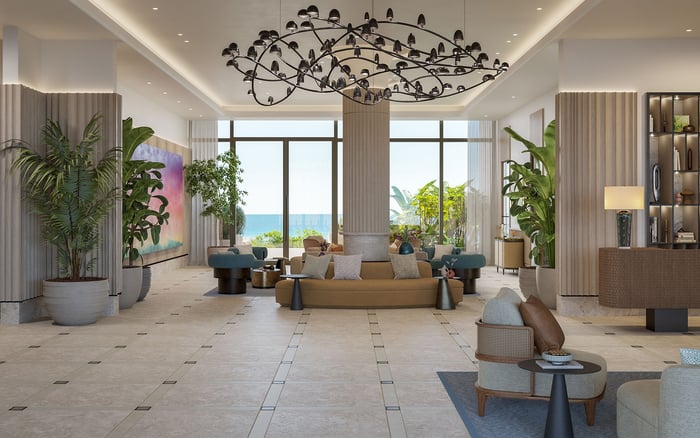
A disciplined framework for evaluating wellness facilities, medical access, emergency readiness, operating rules and long-term amenity costs before buying in Key Biscayne.
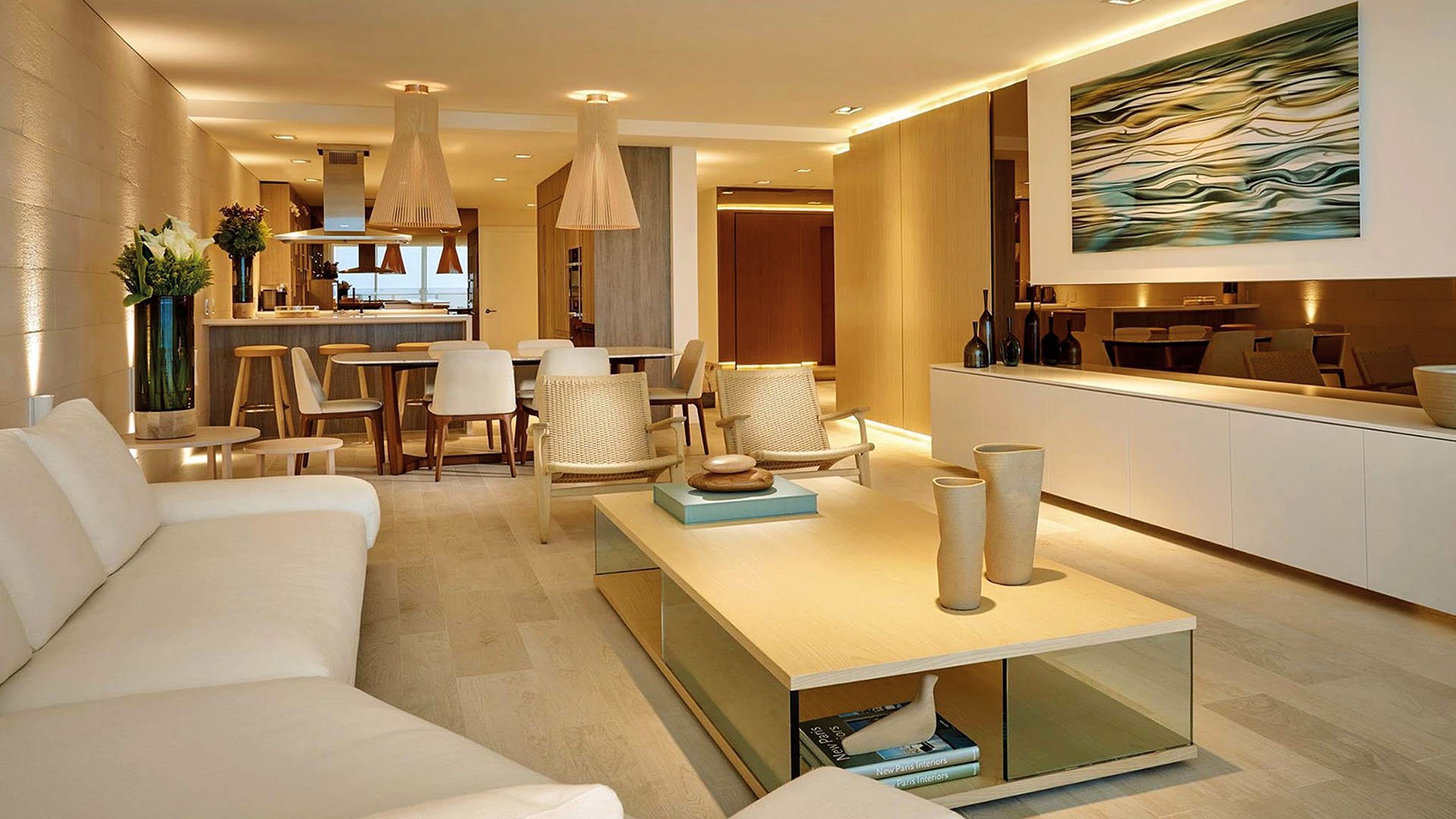
In Key Biscayne, wellness is often presented through a polished vocabulary of oceanfront exercise, restorative spa rituals and resort-style leisure. The more consequential question is whether those promises function reliably on an ordinary Tuesday, at the height of the season and after severe weather.
For MILLION readers, this is a Buyer's Guides issue with direct Lifestyle and Resale implications. Before making an offer, request written amenity hours, reservation rules, staffing levels, cleaning schedules and equipment-replacement policies. Ask how many residences share each space, whether guests have access and which services incur separate charges. Marketing establishes the concept. Association records and an in-person inspection establish the current reality.
At Oceana Key Biscayne, amenities include separate relaxation and lap pools, an ocean-view fitness center, spa, sauna, tennis court and putting green. Buyers should confirm lap-lane availability, quiet hours and peak-season demand rather than assume the two pool experiences remain distinct throughout the day.
Inspect equipment condition and ask when each facility was last renovated. Tour during an evening or weekend, when noise, crowding and privacy are easier to assess. For tennis, investigate court surface, lighting, coaching arrangements, reservation priority, guest privileges and seasonal wait times.
Beach service also warrants operational scrutiny. Where private beach frontage and service are advertised, verify staffing hours, guest rules and hurricane-related closures. Families should examine the relationship between children's areas and adult wellness spaces, including supervision, age restrictions and acoustic separation.
A spa can mean staffed treatment rooms, a sauna and self-service relaxation area, or access governed by a separate operator. Ask which interpretation applies, who books appointments, whether residents receive priority and whether gratuities, memberships or usage charges fall outside regular assessments.
This distinction becomes especially important in hotel-connected or resort-scale properties. Confirm whether pool access, fitness classes and appointments are guaranteed to residents or remain subject to hotel demand. Any privilege involving a spa, beach club, tennis center or gym should be traced to the unit's governing documents, not inferred from a building-wide presentation.
A useful urban benchmark is 619 Residences by Foster + Partners + Nobu Hospitality, which plans a $25 million residents-only Wellness and Longevity Center. Planned offerings include cryotherapy, hyperbaric oxygen, infrared sauna and red-light therapies. The comparison can help a Key Biscayne buyer determine whether advanced services are truly on-site, referral-based or arranged through home visits.
Medical-grade wellness treatments are not substitutes for emergency care. Identify the nearest emergency department, an urgent-care option and preferred specialists, then test actual travel times from the condominium. Record weekday, rush-hour and overnight journeys rather than rely on straight-line distance or an uncongested map estimate.
If a building facilitates IV therapy, peptides, hyperbaric treatment or physical therapy, ask who clinically operates the service. Confirm that practitioners are licensed and insured, and request the protocol for adverse reactions. A luxurious treatment room does not resolve questions of clinical responsibility.
The building's own emergency readiness matters as well. Request written medical-emergency procedures, AED locations, staff CPR training levels and policies for visiting nurses, physicians and home-health aides. Buyers with recurring care needs should also confirm service-elevator procedures, parking access and any restrictions that could complicate regular visits.
Accessibility should be tested as a continuous route, not as a collection of isolated features. Trace the journey from arrival to the residence, gym, locker room, spa, pool deck and beach. Look for practical elevator access, ramps and pool lifts where needed.
A comparative visit to Una Residences Brickell can sharpen the questions asked of an island property, particularly around transitions among wellness spaces and waterfront routes. The objective is not merely code compliance. It is dignified, dependable daily use for residents, guests and care providers with mobility limitations.
Amenity quality depends on disciplined maintenance planning. Review current budgets, reserves, meeting minutes and recent capital projects. Ask specifically about fitness equipment replacement, pool systems, spa ventilation, locker-room upkeep, tennis resurfacing and storm-related restoration. At an established property, deferred refurbishment can diminish the experience and increase future assessments.
For a Resale purchase, compare unit disclosures with association records. Confirm that every privilege transfers with the unit and identify separate memberships, initiation charges or usage fees. If the property connects to a hotel or club, have counsel clarify which rights are contractual, revocable or capacity-limited.
The strongest offer is informed by operations as much as aesthetics. Conditions can address document review and inspection, while pricing can reflect upcoming capital work or restricted access. A wellness amenity has enduring value when it is available, well maintained, financially supported and compatible with the buyer's actual routine.
What amenity documents should a buyer request before offering? Request written hours, reservation policies, staffing details, cleaning schedules, fee schedules and equipment-replacement plans.
When is the best time to tour wellness facilities? Visit during an evening or weekend, ideally at the height of the season, to assess actual crowding, noise and privacy.
What should buyers ask about lap pools? Confirm dedicated lane hours, reservation requirements, coaching use, quiet periods and whether leisure swimmers share the lanes.
Does an advertised spa necessarily include treatments? No. Determine whether it is staffed, self-service, separately operated or limited to facilities such as a sauna.
How should hotel-connected amenity access be verified? Confirm resident priority, guest competition, appointment guarantees, extra fees and the legal basis for access.
What matters most when evaluating medical proximity? Test travel times to emergency, urgent-care and specialist options during rush hour, weekdays and overnight conditions.
What clinical questions apply to advanced wellness treatments? Ask who operates them, whether practitioners are licensed and insured, and how adverse reactions are managed.
Which emergency-readiness details should the association provide? Request emergency procedures, AED locations, CPR training information and rules for visiting medical or home-health personnel.
How can buyers evaluate accessibility? Follow the complete route to pools, gyms, spas, locker rooms and the beach, checking elevators, ramps and lifts.
Why do reserves matter to wellness-focused buyers? Adequate reserves help support equipment replacement, pool systems, spa upkeep, court resurfacing and storm recovery.
For a confidential assessment and a building-by-building shortlist, connect with MILLION.
If branded residences are on your mind — as a home or as an allocation — we would be glad to share what we are seeing, privately.
Begin a quiet conversation