A practical MILLION Luxury guide to the insurance questions affluent Florida condo owners should ask before binding coverage, with a focus on HOA gaps, deductibles, valuables, water, liability, and loss assessment.
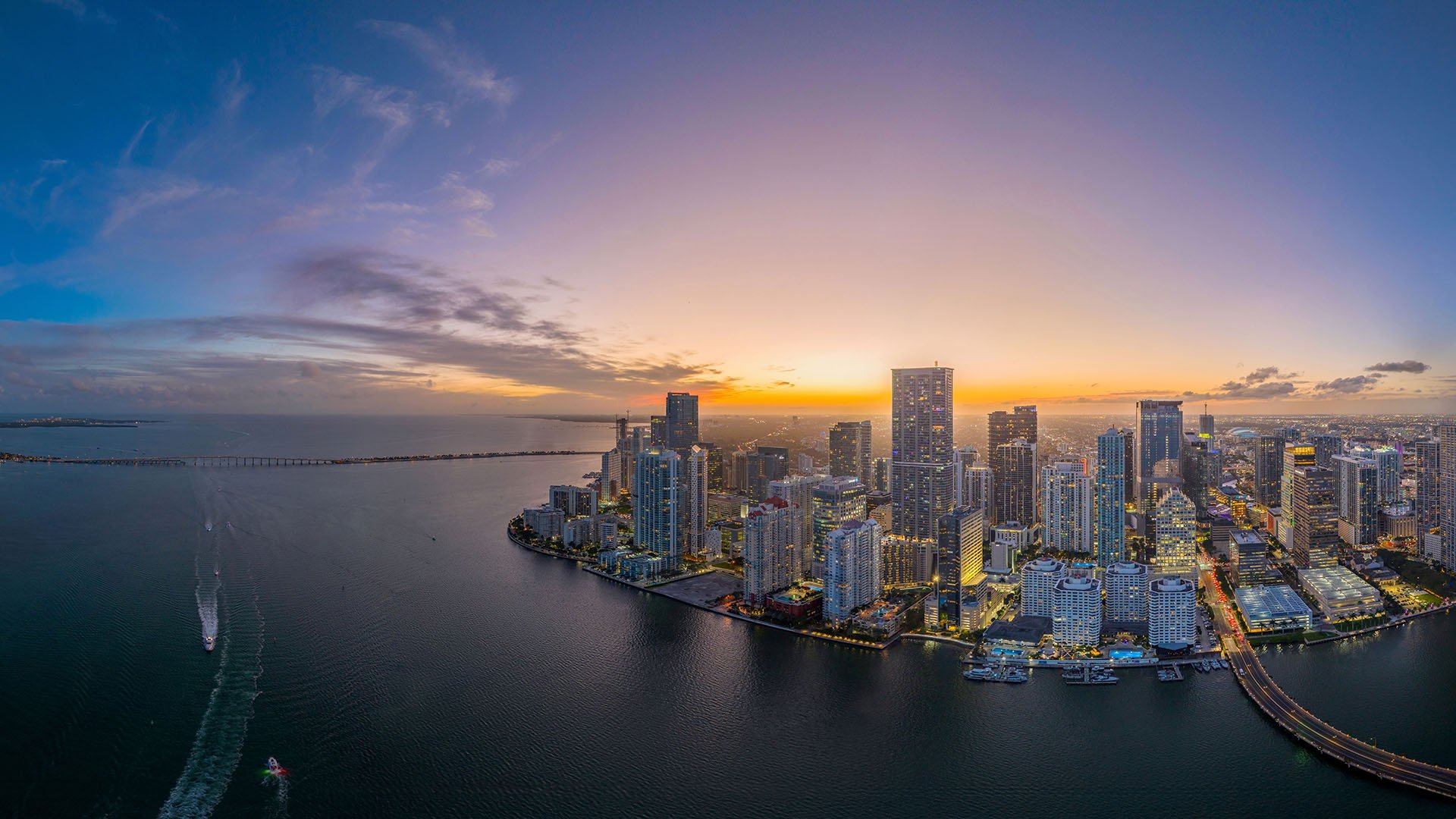
In South Florida, insurance becomes inefficient when the conversation begins with price instead of scope. For a luxury condo owner, the more efficient approach is to clarify exactly what the association insures, what the residence itself requires, and where meaningful financial gaps can emerge after a loss.
Most condo owners need an HO-6 policy for the unit, while the condominium association’s master policy generally covers the building structure and common areas. That sounds straightforward until custom interiors, percentage hurricane deductibles, water exclusions, and shared assessments enter the picture. In the ultra-premium segment, a policy that appears acceptable on page one can still leave substantial exposure behind the walls.
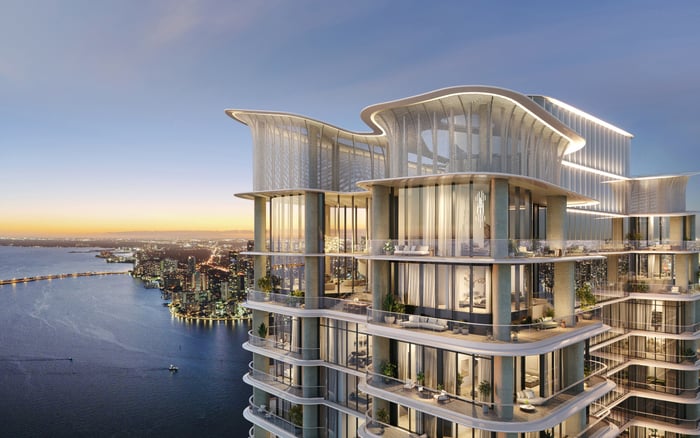
Whether you are evaluating a new residence in 2200 Brickell, a Palm Beach County option such as Alba West Palm Beach, or a design-led tower like The Residences at 1428 Brickell, the objective is the same: ask sharper questions early so you do not waste time comparing policies that are not truly comparable.
The first document worth reviewing is not the carrier brochure. It is the HOA master policy and the declarations page. Those materials help define what the association insures versus what the owner is expected to insure inside the residence.
For luxury owners, this distinction matters because the interior can represent a disproportionate share of the value. Imported stone, integrated lighting, custom millwork, premium flooring, architectural doors, climate-controlled storage, and smart-home systems may all sit on the owner side of the insurance equation. If you own in a bespoke waterfront property like Rivage Bal Harbour, it is especially important to ask whether the policy reflects your actual interior standard or only a more generic finish package.
A useful question is simple: what exactly is covered from the studs inward, and what is not? The answer should be provided in writing, not inferred from assumptions or marketing language.
High-end owners often focus on insuring art, jewelry, or watches, yet the larger blind spot can be the residence itself. An HO-6 policy is designed to cover personal property, personal liability, and portions of the unit interior that the association’s master policy may not insure. But not every policy values improvements and betterments the same way.
Ask whether owner-installed upgrades are insured at full replacement cost and whether permanent fixtures and renovations are covered at the true quality level of the residence. Replacement cost is generally more favorable than actual cash value for luxury interiors because depreciation can erode the claim value of high-end finishes very quickly.
In practical terms, the right question is not “Do I have coverage for renovations?” It is “If this kitchen, bath, flooring package, and home-automation system were rebuilt after a covered loss, would the policy respond at the quality I own today?” That wording tends to produce a more precise answer.
In Florida, storm risk is not just about whether wind is covered. It is about how the deductible works when a named storm or hurricane triggers it. These deductibles are often calculated as a percentage of the dwelling coverage amount rather than as a flat dollar figure.
For a high-value condo, that can mean a materially larger out-of-pocket obligation than many buyers expect. Ask which storm-related perils trigger the hurricane deductible, how it applies, and whether other deductibles could also come into play under different loss scenarios. The issue is especially relevant in oceanfront and Miami Beach settings, where owners may naturally assume the greatest risk lies only in dramatic storm damage rather than in the deductible structure itself.
The most efficient way to compare quotes is to line up the deductibles first, then compare what each policy actually covers. A lower premium paired with a significantly different deductible framework is not a true savings.
Florida condo owners should treat water as two separate insurance conversations. The first is internal water damage, such as a sudden plumbing event or appliance-related loss. The second is flood and other forms of exterior or rising water, which are generally not covered by standard condo insurance.
This is where affluent buyers can lose time by asking broad questions like “Am I covered for water?” A better sequence is more exact:
What water losses are covered inside the residence?
What forms of seepage, exterior intrusion, mold-related loss, or gradual damage are excluded?
Is separate flood coverage advisable for this location and this building?
That distinction matters whether the residence is in Brickell, Bal Harbour, or West Palm Beach. It also matters in buildings with complex mechanical systems, extensive glazing, or older infrastructure, where underwriting concerns may affect eligibility and pricing.
Standard condo policies often impose sublimits on categories such as jewelry and similar valuables. For high-net-worth households, those limits may be modest relative to what is actually kept in the residence. Ask whether scheduled personal property is needed and whether off-premises protection aligns with your lifestyle.
Liability deserves the same scrutiny. A standard condo liability limit may be too low for affluent owners, particularly for those who entertain frequently, employ household staff, maintain a visible profile, or want broader asset protection. It is worth pricing higher liability limits and asking whether umbrella liability can be layered above the condo policy.
Then ask about loss-of-use coverage, sometimes called additional living expense coverage. If a covered event makes the residence temporarily uninhabitable, will the policy support a comparable standard of temporary housing? For owners accustomed to full-service living, this is not a cosmetic detail.
Luxury residences increasingly serve multiple purposes. A primary home may also host a business office. A seasonal property may occasionally be rented. Even limited income use or business activity can create exclusions or require clarification under an HO-6 policy.
Ask directly whether rental use, short-term occupancy, home-office activity, or other business-related exposure changes the terms of coverage. Even if the answer is no, getting that confirmation before binding the policy saves time later.
Loss assessment coverage is another sophisticated point that deserves attention. Associations can sometimes assess unit owners for certain shared losses that exceed the master policy or interact with the building’s deductible structure. In a major event, that shared financial exposure can become meaningful.
If you want the shortest path to a productive insurance conversation, ask for these items in writing: the covered perils, the exclusions, the deductible structure, the treatment of upgrades, the limits for valuables, the loss-of-use amount, the liability options, the loss assessment limit, and any underwriting concerns tied to the building.
Then compare more than one quote. In Florida, terms, deductibles, eligibility standards, and optional coverages can vary materially between insurers. Also ask whether mitigation-related credits or other discounts are available. The goal is not merely to buy a policy. It is to buy clarity.
Do luxury condo owners in Florida usually need their own insurance policy? Yes. Condo owners typically need an HO-6 policy for the unit even when the association carries a master policy for the building and common areas.
What is the first document I should review before shopping for coverage? Start with the HOA master policy and declarations page so you can see what the association insures versus what you must insure personally.
Why is replacement cost so important in a luxury residence? Because actual cash value can reduce claim payouts through depreciation, which can be especially unfavorable for premium finishes and fixtures.
Are custom upgrades automatically covered at full value? Not always. Ask specifically whether cabinetry, flooring, built-ins, and smart-home systems are insured at full replacement cost.
How do hurricane deductibles usually work in Florida? They are often calculated as a percentage of dwelling coverage rather than a flat amount, which can significantly increase out-of-pocket cost.
Is flood covered under a standard condo policy? Generally no. Flood is typically a separate issue, so owners should ask whether separate flood coverage is appropriate.
Does condo insurance cover all water damage? No. Policies may distinguish between sudden internal water losses and excluded seepage, exterior intrusion, or flood-related events.
Should affluent owners consider higher liability limits? Often yes. Higher liability limits and an umbrella policy may be worth evaluating for broader asset protection.
What is loss assessment coverage? It can help if the association assesses unit owners for certain shared losses that exceed the master policy or relate to deductible issues.
What is the fastest way to compare two condo insurance quotes? Compare the written list of covered perils, exclusions, deductibles, and optional coverages before focusing on premium alone.
If you'd like a private walkthrough and a curated shortlist, connect with MILLION Luxury.
If branded residences are on your mind — as a home or as an allocation — we would be glad to share what we are seeing, privately.
Begin a quiet conversation