For long-term Alana ownership, the essential questions concern access, seasonal planning, and who controls the residence calendar. Annual occupancy blackouts and peak-season booking rights are not established here, making written document review essential.
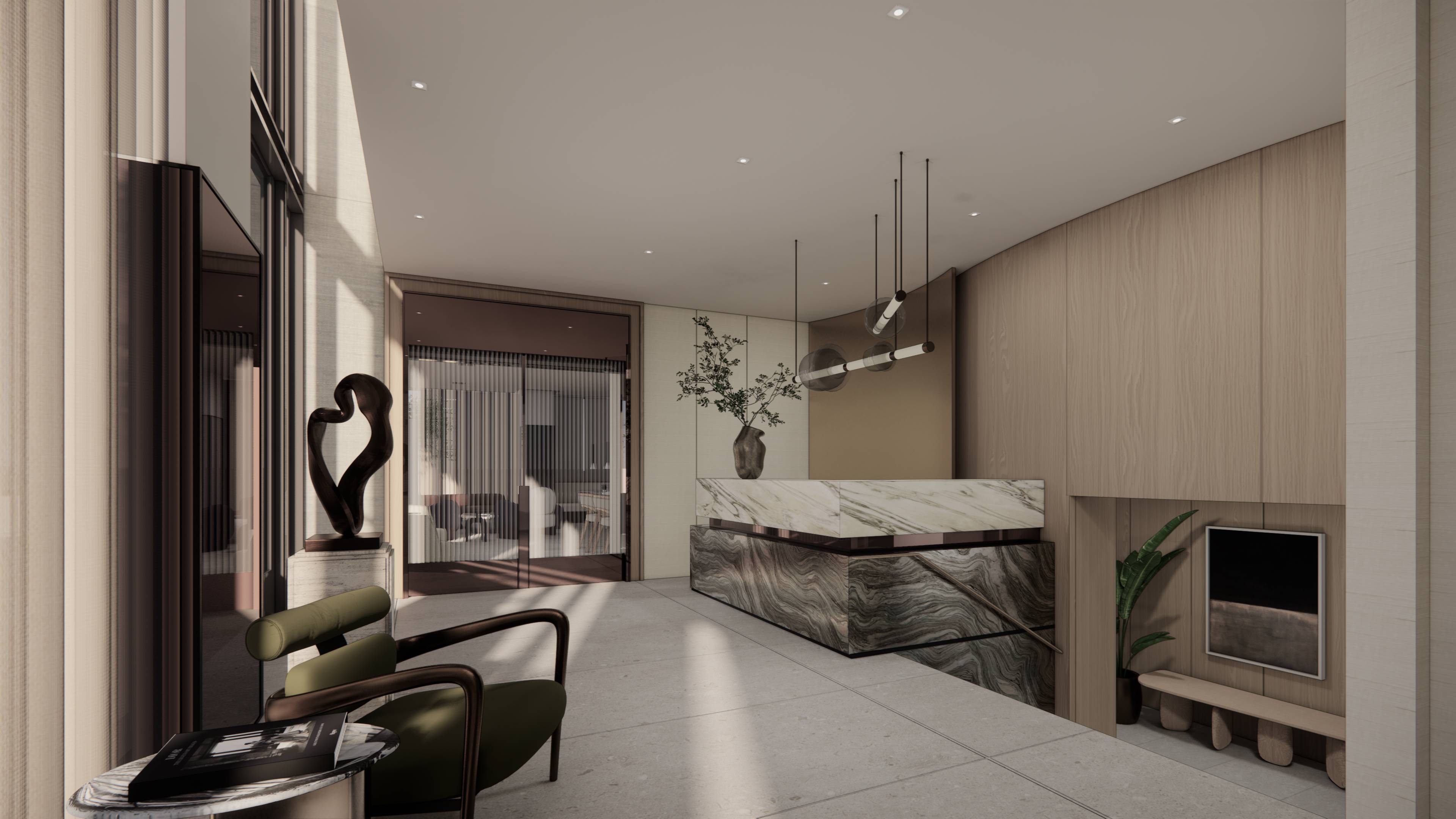
For a seasonal homeowner, luxury includes confidence that a residence will be ready when family plans require it. At Alana Bay Harbor Islands, the long-term ownership questions are practical: could scheduled work affect a stay, do peak-season arrangements require advance action, and who, if anyone, controls a calendar governing residence use?
The essential distinction is between an unverified policy and a policy that does not exist. A fixed annual building-wide maintenance closure, an owner-use calendar, and guaranteed peak-season reservation rights are not established by the information provided here. Buyers should treat these gaps as questions requiring written answers, not as evidence of unrestricted access or recurring closures.
The word blackout can obscure several distinct issues. A restriction on occupying a residence is not the same as temporary amenity unavailability, a prohibited move-in date, a delivery restriction, or limited contractor access. Each could affect ownership differently, particularly when furnishing a home or preparing for an extended winter stay.
Before accepting a broad assurance about year-round use, request the current maintenance schedule and the provisions governing access restrictions. The response should distinguish planned work from emergency intervention and specify whether the residence itself, common areas, or service activities could be affected.
A useful written request should cover:
Whether any recurring work requires residents to leave their homes.
Which amenities or services could become unavailable during scheduled maintenance.
How much notice owners receive and how schedule changes are communicated.
Whether move-ins, deliveries, and contractor visits have separate restricted dates.
These are diligence questions, not established Alana policies. Read any maintenance calendar alongside the declaration, bylaws, and current rules rather than treating it as a complete statement of occupancy rights.
A guaranteed peak-season reservation window, a high-season booking-priority system, booking procedures, and owner-use quotas are not established here. Nor should buyers assume that Alana operates a hotel, timeshare, guest-suite program, or shared-residence reservation system.
Buyers should therefore ask first whether reservation terminology applies to their intended ownership arrangement at all. Registering an arrival, notifying management of guests, and reserving personal-use dates under a separate management contract are different actions. They should not be assumed to create the same rights or obligations.
If an optional rental or management agreement is contemplated, request its provisions on owner-use limits, advance notice, booking priority, cancellation, cleaning charges, and emergency entry. Ask how a conflict between an owner's proposed stay and an existing booking would be resolved, if the agreement allows that situation to arise.
For buyers also considering Bay Harbor Towers, the same distinction provides a useful comparison framework: compare written rights and obligations, not similar-sounding service descriptions. Do not infer equivalent calendar or reservation policies between properties.
If an owner-use calendar showing owner, guest, rental, and blocked dates is relevant to the purchase, establish who maintains it. Would that calendar belong to the association, a private unit manager, or the owner?
Evaluate any private management arrangement separately from the condominium's governing documents. A service offered for an individual unit should not be treated as evidence of association-wide reservation rights or blackout policies.
If a calendar will be used, ask who can add or remove dates, whether owner arrival notice or guest registration is required, and when personal-use dates become confirmed. Clarify whether a blocked date means maintenance, an accepted booking, a tentative hold, or simply an owner's preference.
For a household coordinating multiple travelers, request a clear process for changes and written confirmation of accepted dates. Calendar visibility alone is not enough; the owner should understand what each entry means and which agreement gives it effect.
Request the Developer's Prospectus where applicable, and review the purchase documents for budget information, terms, conditions, specifications, unit dimensions, and purchase inclusions. That is a starting point, not a substitute for obtaining the current documents relevant to the particular purchase.
Request the declaration, bylaws, current rules, operating budget, and maintenance schedule. Where separate rental or management services are involved, include those agreements in the review. Ask counsel to reconcile any differences between contractual language and operational assurances before relying on them for seasonal plans.
The same document discipline applies when evaluating The Well Bay Harbor Islands alongside Alana. Compare what each property's documents establish without transferring assumptions from one residence to another.
Maintenance also has a financial meaning. Obtain the current association budget and the assessment applicable to the specific residence rather than relying on an unverified estimate.
Confirm the billing frequency and included expenses before comparing ownership costs. A maintenance charge does not, by itself, establish how work is scheduled or whether occupancy is affected. Keep the financial review separate from questions about access, while ensuring both support the intended ownership plan.
Whether the search centers on Bay Harbor Islands or also includes Bal Harbour, the decisive ownership question is straightforward: does the documented arrangement support the way the household intends to live?
Before committing, assemble a concise written record covering residence access, scheduled work, guest procedures, calendar responsibility, and any separate management obligations. Identify who can answer operational questions and which document governs each response. For long-term ownership, that clarity is more valuable than a general promise of convenience.
For a discreet conversation about aligning South Florida ownership with your lifestyle, connect with MILLION.
If branded residences are on your mind — as a home or as an allocation — we would be glad to share what we are seeing, privately.
Begin a quiet conversationA fixed annual building-wide maintenance closure or occupancy blackout is not established here. Obtain the governing documents and current maintenance schedule rather than assuming restrictions exist or are absent.
Guaranteed peak-season reservation windows and booking priorities are not established here. First confirm whether any reservation requirement applies to the intended ownership arrangement.
Calendar responsibility is not established here. Ask whether any applicable calendar is maintained by the association, a private manager, or the owner.
Reservation terminology alone does not establish a hotel, timeshare, or shared-residence program. Confirm the actual ownership arrangement in the relevant documents.
Ask whether a restriction affects residence occupancy, amenity access, move-ins, deliveries, or contractor visits. Request written details about timing, notice, and changes.
Request the declaration, bylaws, current rules, operating budget, maintenance schedule, and Developer's Prospectus where applicable. Include any separate rental or management agreement relevant to the residence.
An individual unit's management arrangement should not be treated as evidence of association-wide booking rights. Review the private agreement separately from the condominium's governing documents.
Obtain the current association budget and the assessment applicable to the specific residence. Confirm billing frequency and included expenses before estimating ownership costs.
A maintenance charge does not, by itself, establish when work occurs or whether occupancy is affected. Review access provisions and maintenance schedules separately from financial obligations.
Verify owner-use limits, booking priority, cancellation rules, cleaning charges, and emergency-entry provisions in writing. Also establish who controls calendar entries and how personal-use dates are confirmed.