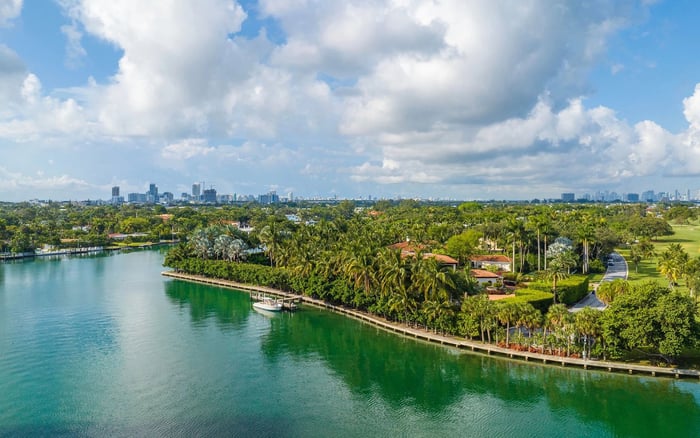
A Boston-to-Bay Harbor Islands move calls for more than a new address. Coordinate domicile, Massachusetts assets, Florida deed vesting, homestead succession, trust funding and property-specific flood insurance before treating the transition as complete.
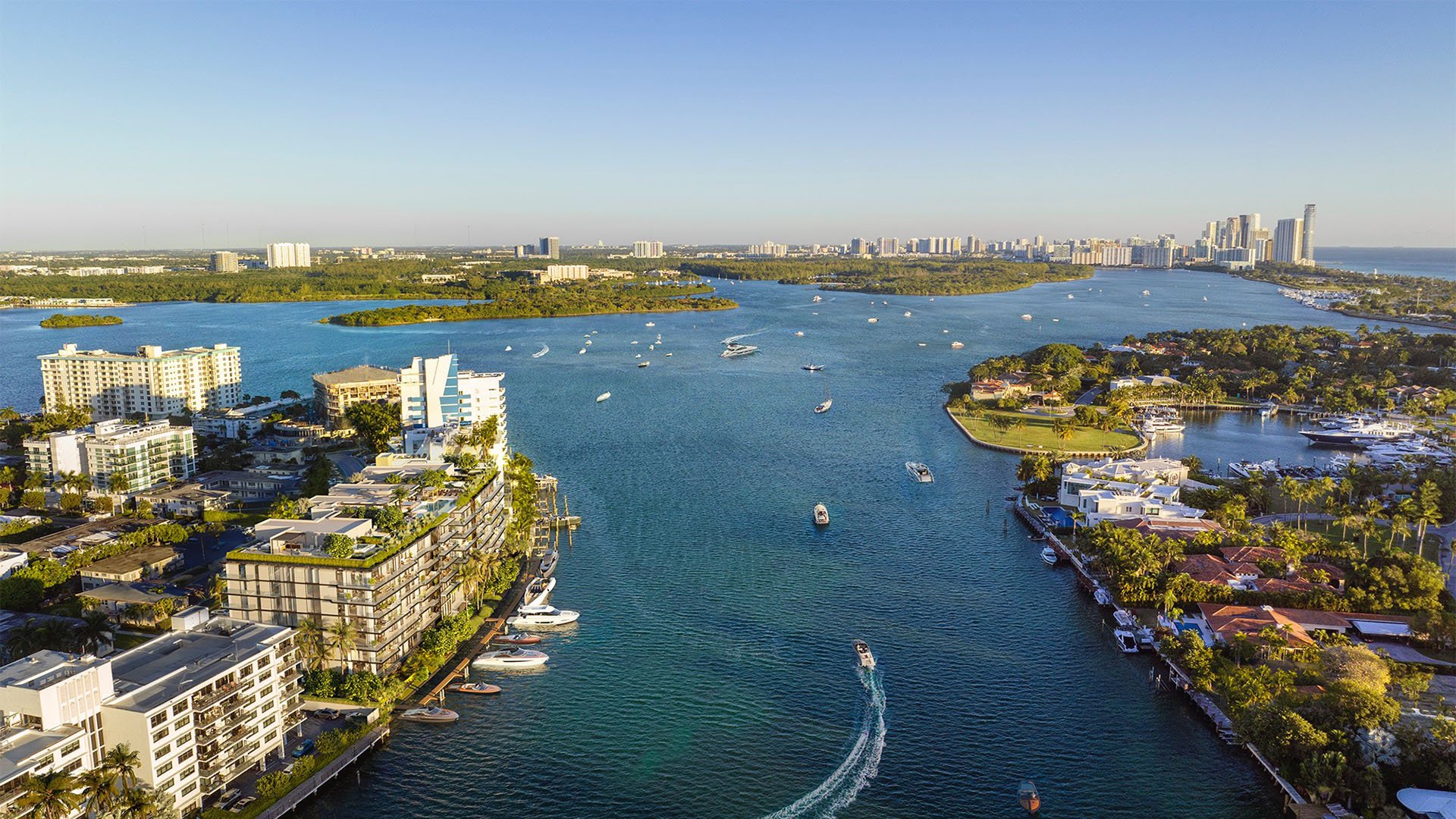
Leaving Boston for Bay Harbor Islands is more than a change of residence. For a family with property in both states, it also means decisions about permanent home, legal ownership, insurance and the eventual transfer of assets. The purchase calls for a coordinated plan, not separate conversations that never converge.
Whether the search centers on Alana Bay Harbor Islands or includes alternatives in Bal Harbour, the essential questions remain personal: Who will own the residence? Who should receive it at death? What Massachusetts assets will remain? Does the insurance review reflect the property being acquired?
The objective is consistency. The deed, trust, succession documents and insurance arrangements should reflect the same intended ownership structure, with legal and tax questions resolved before convenience becomes the deciding factor.
Massachusetts estate-tax exposure depends on domicile, not merely time spent in Florida. A new address should be part of a documented change in permanent home, not a substitute for one. Ask advisers to distinguish the decision to relocate from the evidence supporting it.
Florida domicile does not necessarily end every Massachusetts estate-tax connection. Massachusetts real estate and tangible personal property located there can remain subject to Massachusetts estate tax after the move. The analysis is asset-specific; it should not be treated as a personalized tax conclusion without professional review.
Before retaining, selling, gifting or transferring Massachusetts property, commission a state-specific estate-tax analysis. That review belongs alongside the Florida acquisition, particularly when the family intends to preserve a Boston residence or other property there.
Keep two questions separate: where the owner is domiciled, and which assets remain exposed because of their Massachusetts location. Resolving the first does not automatically resolve the second.
Deed vesting identifies how ownership is held. It should implement the succession plan, not emerge as a last-minute administrative choice. Assets owned solely in a decedent's name generally enter probate unless a valid arrangement provides otherwise.
Co-ownership alone is not an answer. If automatic succession at death is the intended result, the ownership arrangement must provide for it. Joint ownership with survivorship rights and properly funded trust ownership can offer alternatives to probate, but their suitability requires individual legal review.
For a purchase at Bay Harbor Towers, the practical instruction is the same as for any residence: have counsel review the proposed vesting against the family's intended succession before the deed is finalized. Neither a project's name nor a buyer's preference for simplicity determines the right ownership structure.
Signing a trust does not itself transfer individually titled real estate into it. An executed document and a properly funded ownership arrangement are different things. If trust ownership is intended, counsel should confirm that the deed and funding steps carry out that intention.
This distinction matters when a family arrives with an existing estate plan. Rather than assuming the new residence fits automatically, ask counsel to reconcile the trust, the proposed deed and the intended recipients of the property.
The same review applies when considering Onda Bay Harbor: residence selection and the succession mechanism are separate decisions that must ultimately align.
Probate avoidance is also distinct from tax avoidance. A survivorship arrangement or funded trust may change how property passes at death without establishing an estate-tax exemption. Treat transfer mechanics and tax exposure as separate matters, even when the same advisers coordinate both.
Florida homestead succession has special restrictions involving a surviving spouse and minor children. Those rules make it unsafe to assume that a preferred beneficiary designation or trust provision will control the residence as intended.
Ask Florida counsel to review the proposed ownership and succession documents specifically for homestead consequences. The question is not merely whether a trust exists, but whether the plan works for the household's family circumstances and the residence's legal treatment.
This review should precede the choice of an ownership arrangement. Identify conflicts while the deed and documents are being prepared, rather than leaving successors to discover them later.
The goal is a coherent plan, not the largest document package. Each instrument should have a defined purpose and fit the property's legally permitted succession path.
Bay Harbor Islands lies entirely within a floodplain. That town-wide fact warrants attention, but it does not establish a particular property's flood zone, elevation, premium or lender requirements.
Waterfront appeal and insurance diligence belong in the same purchase conversation. For a buyer considering The Well Bay Harbor Islands, as with any local residence, obtain a property-specific assessment rather than inferring coverage needs from the address or presentation.
Participation in the National Flood Insurance Program enables property owners to obtain flood insurance through a licensed property-and-casualty insurance broker. A $250,000 NFIP residential-structure coverage limit may fall substantially below a luxury residence's replacement cost. It is not a complete coverage recommendation for every property or ownership arrangement.
Ask the broker to explain the applicable coverage and how it compares with the residence's replacement exposure. If construction is contemplated, work located fully or partially within a Special Flood Hazard Area must comply with the Town's flood-hazard-reduction provisions.
A trust does not eliminate all post-death work. Florida trust administration includes filing a notice of trust with the clerk in the county where the decedent resided at death. Probate avoidance should never be presented to a family as administration avoidance.
Before treating the relocation as complete, ask advisers to reconcile the recorded deed, executed trust, funding status and succession documents. Keep the Massachusetts asset analysis and property-specific insurance review alongside that ownership record so future decisions do not begin with conflicting assumptions.
Investment decisions about retaining or transferring property should return to the same coordinated review. The strongest transition is not the one with the fewest documents, but the one that keeps permanent-home intentions, ownership and succession aligned.
Explore Bay Harbor Islands residences with MILLION while coordinating the legal, tax and insurance decisions that make the move complete.
If branded residences are on your mind — as a home or as an allocation — we would be glad to share what we are seeing, privately.
Begin a quiet conversationA purchase or new address alone should not be treated as establishing domicile. The move should reflect and document a change in permanent home.
Yes. Massachusetts real estate and tangible personal property located there can remain subject to Massachusetts estate tax after Florida domicile is established.
Obtain a state-specific analysis before retaining, selling, gifting or transferring Massachusetts property. Coordinate that review with the Florida purchase.
No. Co-ownership alone does not necessarily avoid probate; the ownership arrangement must provide for automatic succession at death.
No. Signing a trust does not itself transfer individually titled property, so deed vesting and trust funding must implement the intended plan.
Not necessarily. A succession mechanism can change how property passes without establishing an estate-tax exemption.
Florida homestead succession has special restrictions involving a surviving spouse and minor children. Counsel should evaluate ownership and trust decisions against those restrictions.
No. Administration includes filing a notice of trust with the clerk in the county where the decedent resided at death.
No. Town-wide floodplain status does not establish an individual property's flood zone, elevation, premium or lender requirements.
That limit may be substantially below a luxury residence's replacement cost. A licensed property-and-casualty insurance broker should assess the applicable coverage for the specific property.