A collector’s guide to evaluating seasonal ownership at The Well and Alma Bay Harbor Islands, with practical questions about absentee care, artwork lighting, installation permissions, and municipal permits.
A seasonal residence should feel effortless on arrival. For an owner living with significant art, that ease depends on decisions made long before the first crate reaches the door: who oversees the collection during absences, how daylight is managed, and which permissions govern installation.
At The Well Bay Harbor Islands and Alma Bay Harbor Islands, the prudent approach is to evaluate ownership documents, collection care, and proposed alterations together. Neither a wellness identity nor an elegant interior establishes a conservation standard or an installation entitlement. The essential distinction is between what attracts the buyer and what the residence can accommodate with written approval.
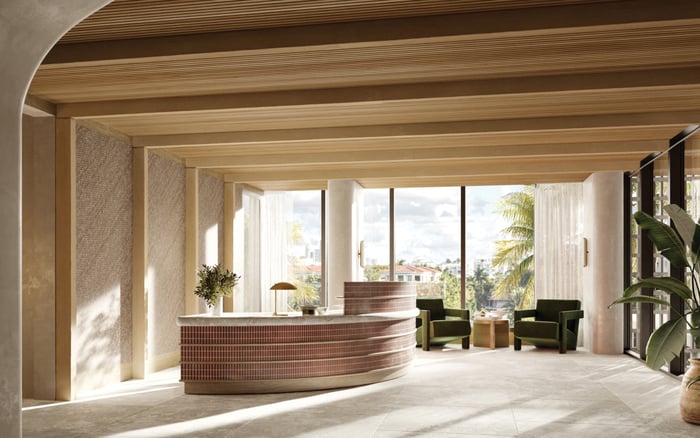
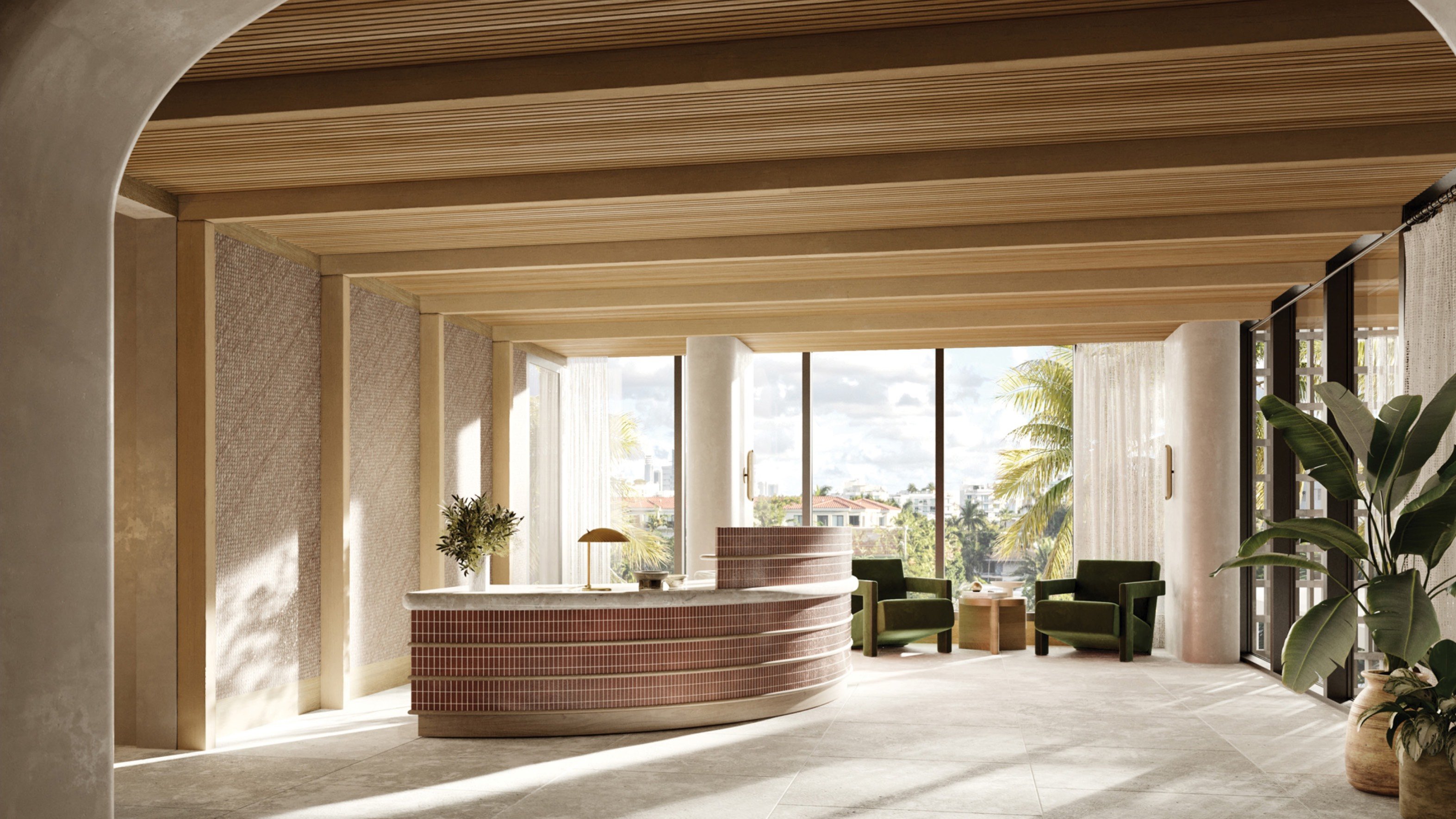
When evaluating The Well, review the actual residence’s materials, glazing, and proposed display locations with the collection in mind. Treat design appeal and collection suitability as separate questions rather than assuming that an attractive interior provides the conditions each artwork needs.
The question is not simply whether a painting suits a wall. It is whether that placement works with the room’s daylight, the proposed lighting, the artwork’s sensitivity, and the owner’s absence schedule. Ask a conservator and lighting specialist to review the actual residence rather than extrapolating from a presentation image.
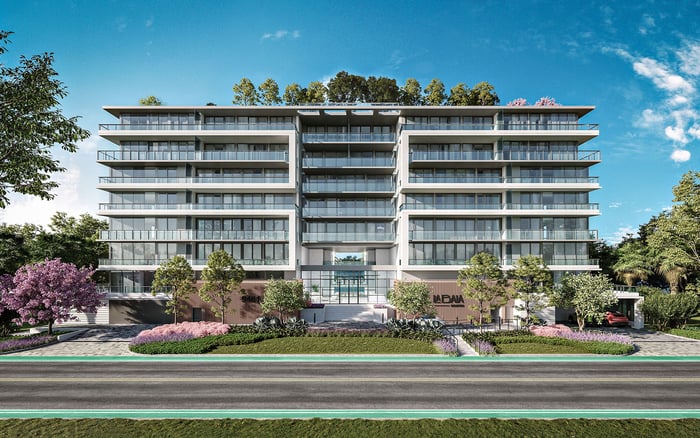
Evaluate Alma independently. Obtain its governing documents and written responses to the same collection-related questions. Do not transfer The Well’s design features, amenity descriptions, or assumed service arrangements to another property.
Treat seasonal use, guest occupancy, and leasing as distinct subjects. Request the declaration, bylaws, leasing restrictions, guest rules, absentee-owner procedures, and emergency-access requirements for each residence under consideration. Ask counsel to identify provisions that affect the intended pattern of use.
Describe that pattern precisely. Will only the owner occupy the apartment? Will family members stay without the owner present? Will a collection manager or household representative need recurring access? If renting is contemplated, obtain a separate answer on whether the proposed arrangement is permitted. Seasonal ownership alone does not establish rental permission.
Resolve practical access questions before departure, not during an incident. Ask who may hold keys, how approved visitors are admitted, and what authorization management needs to enter when the owner cannot be reached. Keep those answers with the ownership documents and collection-care instructions.
An effective absentee plan identifies people, tasks, and escalation procedures. Rather than assuming building staff will supervise artwork, establish exactly which services management will provide and which responsibilities require an independently retained representative.
Consider requesting a written plan that addresses:
Who checks the residence, and how visits are documented.
Who oversees environmental controls and responds to alerts.
Who can authorize emergency access or contact the owner’s specialists.
Who records artwork condition before departure and after any incident.
Who coordinates contractors without exceeding the owner’s authorization.
Have the collection’s conservator advise on appropriate monitoring and care. The objective is not to impose a generic household routine on every object, but to establish an artwork-specific plan with clear accountability. Confirm responsibilities with the relevant service providers; a concierge relationship should not be treated as collection-management coverage.
For a private residence, “museum-grade” should begin a technical conversation, not end one. The phrase does not confirm a particular specification, conservation outcome, or project standard. Ask the lighting designer to explain the proposed system in relation to the works being displayed.
The review should address sunlight, UV, heat, glare, dimming, exposure duration, and artwork-specific sensitivity. At either residence, assess the relationship between glazing, artwork placement, and daylight. A room can be visually serene while still requiring a specialist’s assessment of a particular display position.
Before purchasing fixtures or commissioning cabinetry, request a coordinated proposal covering placement, controls, and any proposed electrical work. Have the conservator review it alongside the interior designer. Avoid adopting a universal exposure limit or lighting setting without an artwork-specific recommendation.
Confirm with the Bay Harbor Islands Building Department whether the proposed project requires a permit. That inquiry should reflect the actual installation scope, not the general description “hanging art.”
Ask management and the town about anchoring, suspended artwork, concealed wiring, new lighting circuits, and ceiling reinforcement. Clarify whether drawings, contractor insurance, inspections, or other documentation will be required. Do not assume a lightweight framed work and a suspended installation follow the same approval path.
Treat association consent and municipal permitting as separate review tracks. Obtain written confirmation of what each requires; do not assume approval from one resolves the other. Ask the Building Department about any applicable building, electrical, mechanical, or plumbing permits before work begins.
Before scheduling installers, obtain written confirmation of the applicable approval requirements, fees, deposits, and review steps. Ask whether delivery arrangements, work hours, elevator reservations, or protection measures apply. Treat each as a question to resolve, not an established policy at either development.
If Bay Harbor Towers also enters the search, use the same written brief rather than assuming neighboring buildings offer equivalent permissions or care arrangements. Apply the same discipline to properties in Bal Harbour: evaluate each against the collection’s actual needs.
A concise comparison file should distinguish confirmed permissions, proposed services, owner responsibilities, and outstanding decisions. Keep promised services separate from contractual obligations. Ask advisers to identify where an attractive design solution depends on approval, additional work, or an outside specialist.
The most persuasive residence is not necessarily the one with the longest amenity description. It is the one whose documented arrangements support the intended ownership pattern and collection without leaving critical responsibilities unresolved.
Before committing to an installation schedule, assemble the governing documents, written management responses, specialist recommendations, and any required approvals. Establish who keeps the current collection inventory, who receives condition updates, and who acts when the owner is unavailable.
Luxury, in this context, is continuity: arriving to a thoughtfully presented collection and leaving with a clear plan for its care. Resolve those details before treating an installation date as firm.
Explore South Florida residences with a collection-minded ownership perspective at MILLION.
If branded residences are on your mind — as a home or as an allocation — we would be glad to share what we are seeing, privately.
Begin a quiet conversationNo. Review each property’s leasing restrictions separately from its seasonal-use and guest rules.
Ask a conservator and lighting specialist to review the actual residence and proposed display locations. Assess the collection’s needs separately from the interior’s visual appeal.
No. Evaluate Alma independently through its governing documents and written management responses.
Request the declaration, bylaws, leasing restrictions, guest rules, absentee-owner procedures, and emergency-access requirements.
Assign responsibility in writing to an appropriate representative or service provider. Confirm what management will handle rather than assuming building staff provide collection care.
The phrase alone does not establish a technical specification or conservation outcome. Ask a conservator and specialist lighting designer to assess the proposed system for the actual artworks.
Have a specialist assess sunlight, UV, heat, glare, and exposure duration at proposed display locations. Recommendations should reflect the sensitivity of the individual artworks.
Yes. Obtain written confirmation of each applicable requirement rather than assuming approval from one resolves the other.
Ask about anchoring, suspended artwork, concealed wiring, new lighting circuits, and ceiling reinforcement. Confirm any required drawings, contractor insurance, and inspections.
Contact the Bay Harbor Islands Building Department before scheduling work. Describe the actual installation scope so the response addresses the proposed alterations.