A considered North Bay Village purchase looks beyond the terrace finish to waterproofing records, leak investigations, façade-access planning, and the reserves that support long-term ownership.

A terrace can be the most persuasive room in a residence. For long-term ownership in North Bay Village, however, its appeal should be matched by a clear understanding of the systems beneath the finish and the arrangements needed to maintain them. The essential questions concern waterproofing, water-entry investigations, exterior access, and funding-not simply whether the balcony looks newly refreshed.
For buyers considering Continuum Club & Residences North Bay Village, those questions belong in the purchase conversation alongside layout and design. A project name does not establish waterproofing condition or future assessment exposure. The goal is to identify which documents apply to the property, what remains unresolved, and how exterior work would affect ownership.
Florida generally requires milestone inspections for residential condominium and cooperative buildings with three or more habitable stories when they reach 30 years of age. These inspections generally recur every 10 years, are performed by a qualified professional engineer or architect, and focus on structural safety. The condominium association is responsible for arranging the required inspection and ensuring compliance.
Buyers should request the complete milestone report, including photographs, repair recommendations, and any Phase Two materials. A summary may be convenient, but it cannot replace a review of the findings and the work they call for. Ask which recommendations have been addressed and which documents establish completion.
A Structural Integrity Reserve Study, or SIRS, addresses a different question: how should future component repairs and replacements be planned and funded? For qualifying buildings, associations subject to the requirements generally must complete a study at least every 10 years. The study estimates remaining useful lives, replacement costs, and recommended reserve funding.
Structural milestone compliance does not replace a separate review of waterproofing condition, envelope maintenance, and capital funding. Treat these as complementary inquiries, with property-specific professional review of applicable requirements and exceptions.
Begin with a document request: membrane and coating specifications, installation dates, warranties, repair scopes, leak histories, and post-repair testing. These records help distinguish a documented waterproofing intervention from a surface refresh. Ask what was repaired, which areas were included, and whether the work addressed an identified source of water entry.
Have an envelope specialist assess slabs and edges, door thresholds, façade joints, railing penetrations, and drainage paths. The purpose is not to diagnose the building during a viewing, but to determine whether the available records and observed conditions warrant further investigation before commitment.
Repaired interior finishes are not proof that a leak source was corrected. When an owner describes a problem as resolved, request the investigation, repair scope, and any testing that supports that conclusion. An attractive ceiling or freshly finished wall answers an aesthetic question, not necessarily a waterproofing one.
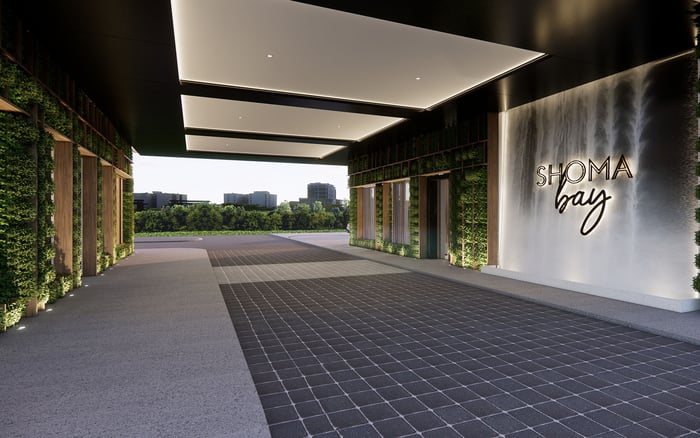
When evaluating Shoma Bay North Bay Village, apply the same document-led approach to the materials available for the residence and building. Do not infer condition, warranty coverage, or maintenance history from presentation alone.
Wind-driven-rain diligence requires precision about the assembly under review. Roofing-related test documentation does not establish that sliding doors, balcony assemblies, or façade joints are compliant or leak-free. A broad statement that a building has been tested should prompt a narrower question: which component, under what scope, and with what recorded result?
Ask the reviewing specialist to connect the test documentation to the suspected water-entry path. If the concern is a threshold, evidence concerning a different assembly should not close the inquiry. Clarify whether testing occurred before or after corrective work and which areas it covered.
The objective is proportionate confidence, not an impossible promise that water can never enter. A clearly documented investigation and repair sequence is more useful to a buyer than an assurance disconnected from the affected assembly. Unresolved questions should remain visible in the purchase decision, not disappear behind new finishes.
A façade-access schedule deserves its own review. Request the access plan, anchor and tieback records, equipment requirements, staging arrangements, balcony-access notices, and anticipated work dates. Ask how the association will communicate changes and whether the proposed sequence affects the residence under consideration.
For a purchaser exploring Tula Residences North Bay Village, access planning is a useful long-term ownership question-not evidence that any particular exterior work is scheduled. Distinguish an established plan from an anticipated requirement, and an anticipated date from a confirmed work window.
Municipal coordination also belongs in the calendar. In North Bay Village, general building inspections are scheduled Monday through Friday, roofing inspections Tuesday through Friday, and electrical, mechanical, and plumbing inspections on Tuesdays and Thursdays. Larger residential projects have separate inspection arrangements during permitted work times. Confirm the arrangements applicable to the actual scope rather than treating the schedule as a completion guarantee.
Ask whether the property was reviewed under the municipal building-audit program and whether notices or corrective work remain open. The program was announced as a building-record review with planned visual inspections of condominium buildings; that scope does not establish an individual property's present status.
Waterproofing and exterior painting are expressly included among SIRS-covered components. Other covered components include roofs, structural systems, fireproofing and fire-protection systems, plumbing, electrical systems, windows, and exterior doors. Review the applicable study alongside the budget, reserve balances, special assessments, and board minutes.
Compare the projected timing and cost of envelope work with the association's funding arrangements. Ask whether the repair scope under discussion matches the scope used for reserve planning. If the documents describe different work, have the association and relevant professionals explain the difference.
Required reserves for SIRS-covered components are subject to restrictions on waiving funding or using funds for other purposes, with statutory exceptions and funding provisions requiring careful review. Counsel should also examine the declaration's treatment of balconies, limited common elements, temporary access, repair responsibility, and finish restoration. Do not assume those obligations follow the boundaries of everyday use.
Before committing, assemble a coherent ownership picture: structural findings, waterproofing documentation, unresolved leak questions, exterior-access arrangements, funding, and legal responsibilities. Have technical and legal advisers identify where the documents align and where further clarification is needed.
The most reassuring outcome is not the absence of maintenance. It is a clear plan for investigating conditions, completing necessary work, funding it, and communicating its effect on residents. That clarity allows the pleasures of the residence to be considered alongside the obligations that sustain them.
For a considered approach to North Bay Village ownership, explore MILLION.
If branded residences are on your mind — as a home or as an allocation — we would be glad to share what we are seeing, privately.
Begin a quiet conversationThey are generally required at 30 years for residential condominium and cooperative buildings with three or more habitable stories, then every 10 years. Applicable requirements and exceptions need property-specific review.
The condominium association is responsible for arranging it and ensuring compliance. A qualified professional engineer or architect performs the inspection.
No. Structural milestone compliance does not replace a separate review of waterproofing condition, envelope maintenance, and capital funding.
Request membrane and coating specifications, installation dates, warranties, repair scopes, leak histories, and post-repair testing.
No. Request the investigation, repair scope, and any testing that supports correction of the water-entry source.
Ask the specialist to assess slabs and edges, door thresholds, façade joints, railing penetrations, and drainage paths.
No. Roofing-related test information does not establish compliance or leak-free performance for sliding doors, balcony assemblies, or façade joints.
Request the access plan, anchor and tieback records, equipment requirements, staging arrangements, balcony-access notices, and anticipated work dates.
Yes, both are expressly included among SIRS-covered components. Review the applicable study alongside reserves, budgets, special assessments, and board minutes.
Have counsel review the declaration's treatment of balconies, limited common elements, repair responsibility, temporary access, and finish restoration. Do not assume responsibility from everyday use alone.