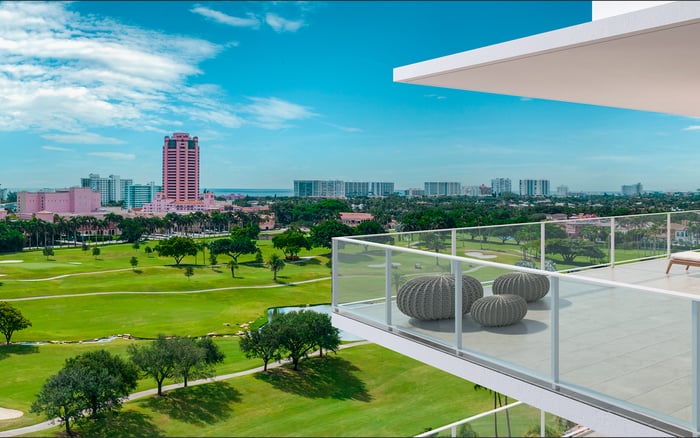
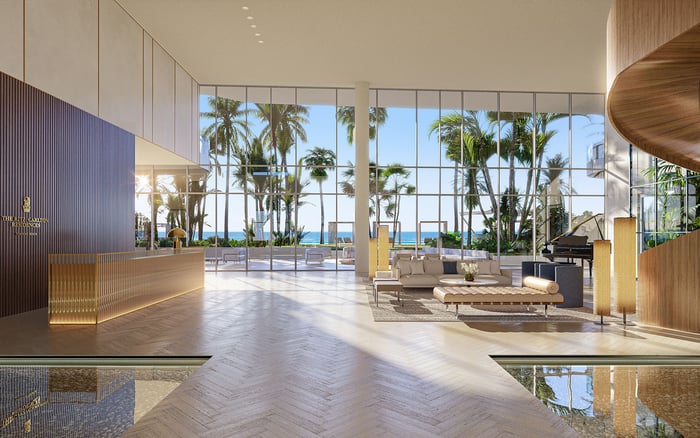
For long-term Hillsboro Beach ownership, the essential review extends beyond the residence: developer turnover records, engineering findings, component-specific warranties, and documented plans for unfinished common areas deserve equal attention.
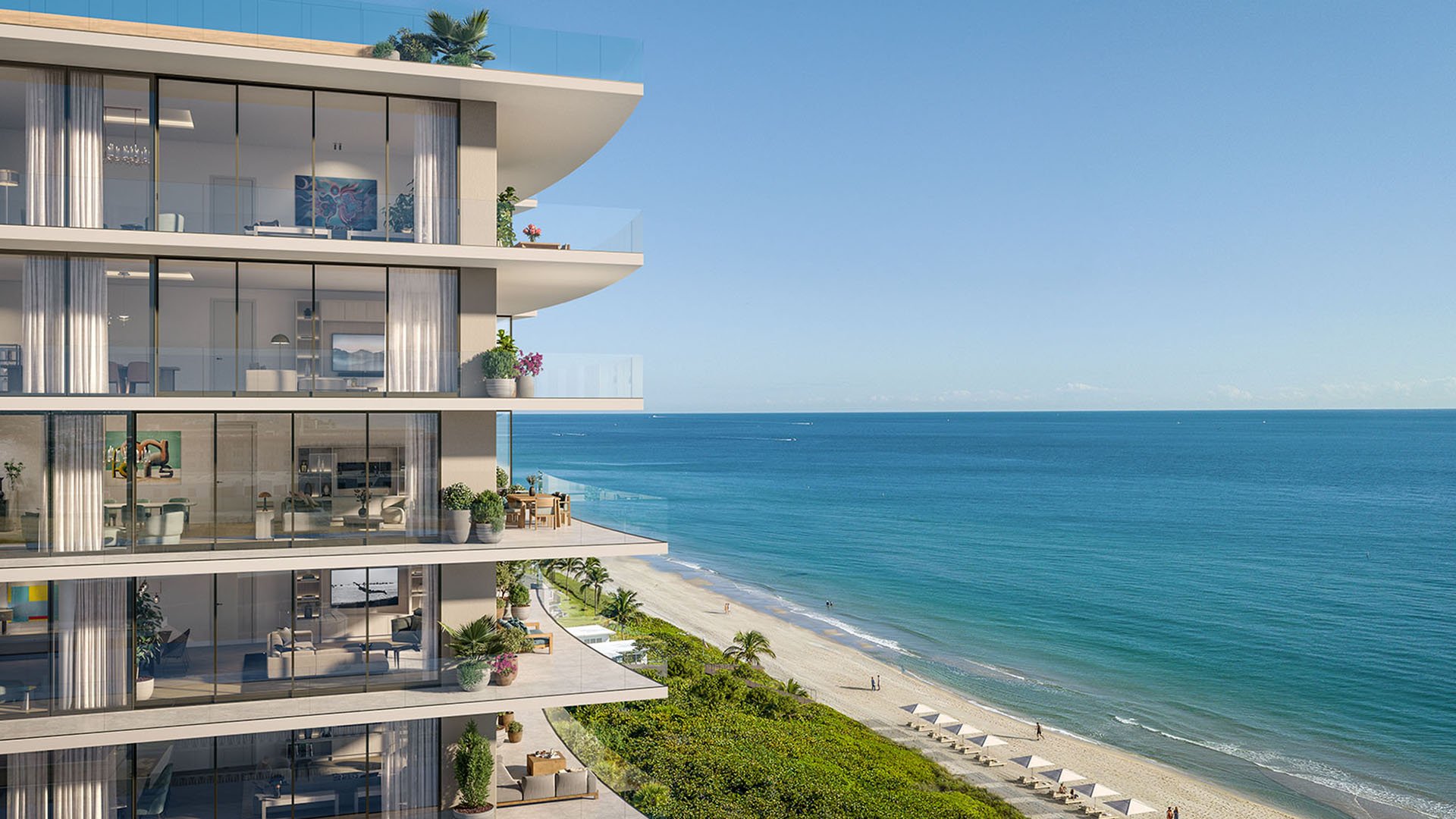
A beautifully finished residence can be easy to evaluate. The building behind it demands a different kind of attention. For long-term ownership in Hillsboro Beach, the decisive questions are what the association inherited, which systems need attention, and who is responsible for completing or correcting common-area work.
Developer turnover establishes the association’s baseline for assessing building conditions, maintenance obligations, unfinished work, and potential construction defects. It is an ownership transition with technical and financial consequences, not merely an administrative milestone.
For buyers considering Rosewood Residences Hillsboro Beach, this is a due-diligence framework, not a statement about the development’s condition or turnover status. The same discipline applies to any luxury condominium purchase: distinguish the residence’s appeal from the evidence supporting the shared property’s long-term care.
Begin by requesting the association’s turnover materials: construction plans, permits, contracts, warranties, maintenance records, engineering reports, and financial records. Each category helps answer a practical question-what was designed, what was authorized, what was delivered, and what obligations remain.
Read these documents together, not in isolation. A warranty is more useful when matched to the relevant equipment or construction contract. An engineering recommendation becomes more actionable when paired with maintenance history and a financial plan. A permit record helps frame questions about completion but does not replace a condition assessment.
Ask the association to identify unresolved items and explain how they are tracked. Request a written status schedule linking each issue to its location, responsible party, next action, and anticipated funding. This is a recommended management tool, not an assumption that any particular building has outstanding work.
Within Broward, a comparison extending to Ocean 580 Pompano Beach should apply the same standard. Different properties may require different documents at different stages, but buyers should seek a coherent record rather than rely on presentation alone.
A turnover engineering inspection evaluates potential construction defects, code violations, and deferred conditions that may be the developer’s responsibility to correct or fund. Its value extends well beyond whether common areas look finished during a walkthrough.
The review should address major components’ condition, required maintenance, useful life, and replacement cost. These details connect today’s building condition to tomorrow’s maintenance obligations.
The scope can include roofs, structural components, fire protection, plumbing, electrical systems, waterproofing, elevators, HVAC, pool equipment, seawalls, pavement, parking, drainage, and irrigation. Ask which components were examined, what limitations affected the inspection, and whether recommended follow-up has occurred.
Where findings remain unresolved, request a qualified professional’s explanation of priorities and next steps. Distinguish a cosmetic correction from a waterproofing concern, a maintenance task from a possible construction defect, and a recommendation from a completed repair. A clear record of resolution matters more than a reassuring description.
A structural milestone inspection and a turnover defect inspection serve different purposes. The former assesses structural condition; the latter examines issues that may involve developer responsibility. Neither should be treated as a substitute for the other.
Inspection timing also requires building-specific verification. Historical thresholds should not be treated as verified current requirements.
For a Hillsboro Beach purchase, confirm the applicable deadline with the local building official and qualified advisers rather than assume a general threshold controls. Request the applicable sealed inspection report, summary of findings, and documentation of recommended follow-up. Establish which requirements apply now and what remains to be done.
Warranty review requires more precision than asking whether a building is still under warranty. Florida condominium implied warranties cover different categories of property; one deadline should not be assumed to govern every item.
The developer’s implied warranty for specified roof, structural, and building-system components generally lasts three years after completion or one year after owners obtain association control, whichever is later, subject to a five-year maximum. Contractors, subcontractors, and suppliers generally provide three-year statutory implied warranties for specified structural and building-system work and one-year warranties for other improvements and materials.
Statutory construction completion generally turns on a certificate of occupancy or equivalent authorization, with substantial completion relevant where no such authorization is required. Verify those dates rather than infer them from a marketing launch or a buyer’s closing.
Ask counsel to prepare a component-specific warranty schedule identifying the relevant party, completion date, control-transfer date where applicable, and potential deadline. Keep contractual warranties alongside statutory protections. Construction-defect claims also involve pre-suit notice requirements and limitation or repose periods, so unresolved conditions warrant timely legal review rather than informal assurances.
An unfinished common area calls for a specific explanation. Construction disputes can concern roadways, clubhouses, swimming pools, drainage systems, and building envelopes-not merely individual residences. The buyer’s task is to understand the scope of outstanding work without presuming fault.
Request a written punch list that separates incomplete construction, corrective work, and ordinary maintenance. For each item, ask what completion means, who will perform the work, how it will be paid for, and how satisfactory completion will be confirmed. Where relevant, seek the supporting contract, permit status, and engineering recommendation.
A promise to finish is not a funded completion plan. Review the financial records for the proposed work and ask how unresolved responsibility affects the association’s planning. If liability is disputed, legal and engineering advice should guide the assessment-not speculation about an eventual recovery.
The same approach applies farther north in Boca Raton. A buyer comparing Alina Residences Boca Raton with Hillsboro Beach options should evaluate the documentation appropriate to each property’s stage, not assume that location or presentation answers questions about shared obligations.
Before committing, seek a clear account of building condition, unresolved work, warranty timing, and funding responsibility. The strongest ownership file connects technical findings to decisions and documents the steps taken afterward. That clarity supports a more informed assessment of long-term ownership without reducing every issue to a simple yes or no.
For a discreet perspective on South Florida residences and the questions that shape lasting ownership, explore MILLION.
If branded residences are on your mind — as a home or as an allocation — we would be glad to share what we are seeing, privately.
Begin a quiet conversationIt establishes the association’s baseline for building conditions, maintenance obligations, unfinished work, and potential construction defects.
Request construction plans, permits, contracts, warranties, maintenance records, engineering reports, and financial records. Read them together to understand both condition and responsibility.
It evaluates potential construction defects, code violations, and deferred conditions that may be the developer’s responsibility to correct or fund.
They should address major components’ condition, maintenance needs, useful life, and replacement cost. Ask whether recommended follow-up has been completed.
No. A milestone inspection assesses structural condition, while a turnover inspection examines potential developer-responsibility issues.
Verify the specific building’s applicable deadline with the local building official and qualified advisers. Historical thresholds should not be treated as verified current requirements.
For specified roof, structural, and building-system components, the period is generally three years after completion or one year after owner control, whichever is later, subject to a five-year maximum. Counsel should confirm the applicable category and dates.
They generally provide three-year implied warranties for specified structural and building-system work and one-year warranties for other improvements and materials. The applicable protection depends on the work or item.
Request the scope of outstanding work, the responsible party, the funding plan, and how completion will be confirmed. Separate incomplete construction from corrective work and ordinary maintenance.
Construction-defect claims involve pre-suit notice requirements and limitation or repose periods. Legal review helps identify the relevant obligations and deadlines.