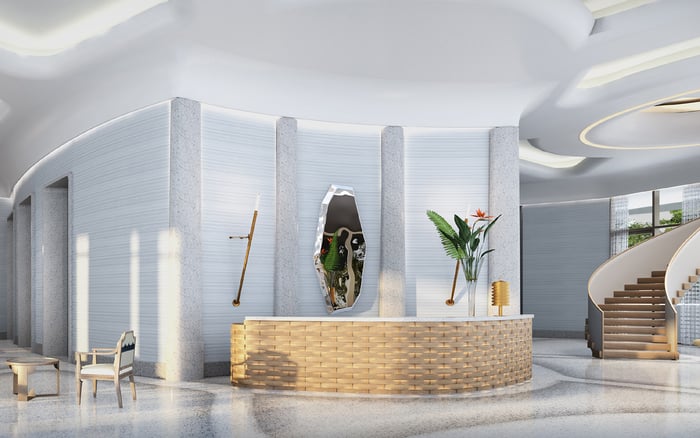
A second-home buyer’s guide to requesting fire-protection records, applicable smoke-control testing and elevator-emergency procedures at The Ritz-Carlton Residences® West Palm Beach, with a focus on document verification and absent-owner communication.
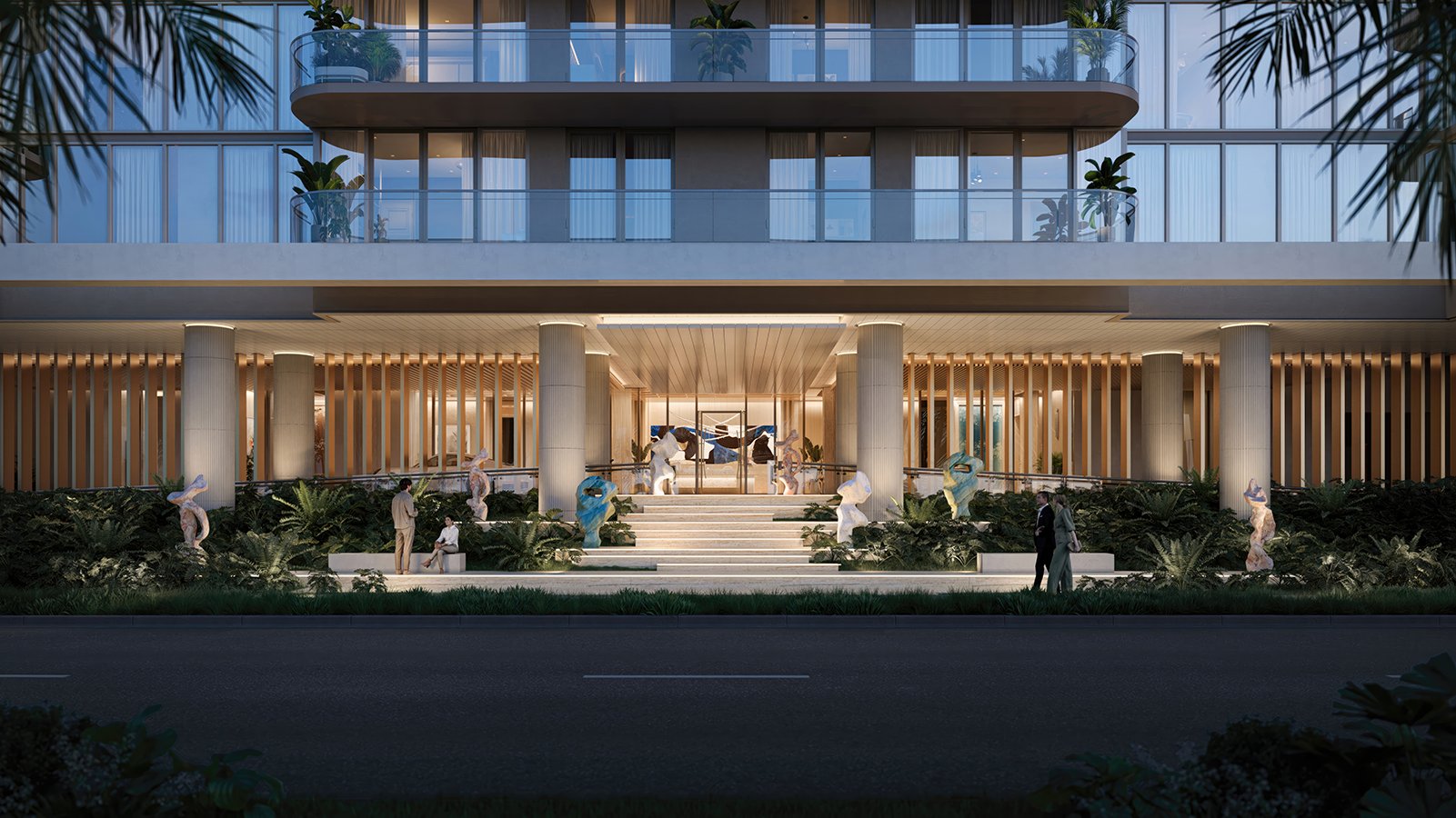
For a seasonal owner, luxury includes the confidence to leave a residence unattended. At The Ritz-Carlton Residences® West Palm Beach, that confidence should rest on more than the arrival experience. Sprinkler-impairment notices, applicable smoke-control testing and elevator-emergency procedures deserve the same scrutiny as the residence plan.
This review is a document-request framework, not a verification of the project’s current construction status, completion schedule or operating history. Where records remain preliminary or pending, buyers should distinguish them from completed testing, final approvals and adopted procedures.
Project-specific impairment notices, smoke-control test results and elevator-emergency procedures require document-level confirmation. Nothing in this review establishes that an impairment occurred, testing failed or an elevator is approved for fire evacuation. The buyer’s task is to distinguish proposed systems from completed testing and the procedures that will govern occupancy.
Request written confirmation of the property address and residence identification used in the purchase documents, relevant permits and eventual occupancy approvals. If those records differ, ask the seller to reconcile them in writing.
This is a reconciliation task, not evidence of a safety defect. A useful document index would identify the property, issuing party, date, revision and status of each record. It should distinguish preliminary submissions from approved plans, completed tests and final certificates.
A buyer also considering Alba West Palm Beach can apply the same discipline without assuming the projects share systems, approvals or procedures. Comparable documentation is more useful than comparable assurances.
Request the applicable prospectus and purchase documents, and ask counsel to confirm the terms, conditions, unit specifications and purchase inclusions. Ask how safety-document review can be addressed in the transaction, including whether a written review condition before closing is available.
Request the applicable sprinkler and standpipe plans, fire-pump records, inspection documentation and any impairment logs available for the relevant construction or operating period. Ask the seller to separate existing records from those expected later. An anticipated document is not a completed approval.
The notification procedure matters as much as the log. Ask who identifies an impairment, who authorizes the response, which parties receive notice and how restoration is documented. Request the applicable temporary safety measures and escalation responsibilities; do not assume every interruption follows the same protocol.
For an absent owner, the central question is practical: how will a notice reach you while you are away? Seek written details on notification channels, emergency contacts, delivery confirmation and whether an authorized local representative can receive the same information. Ask how owners are notified that the affected protection has been restored.
Ask the applicable inspecting authority how deficiencies are classified, what corrective deadlines apply and whether any unresolved condition affects occupancy. Do not substitute a general timeline for a project-specific written determination.
Do not infer a particular smoke-control configuration from the tower’s height or branding. First, request the applicable design documents and sequence of operations. The objective is to understand what is specified, how the relevant systems are intended to respond and which responsibilities belong to the future operator.
Then request applicable acceptance and integrated-testing results, any recorded deficiencies and corresponding retest documentation. Ask whether each record addresses a single component or the coordinated sequence described in the design. Separate pending tests from completed results, and request written clarification of unresolved items.
Maintenance responsibilities also require a direct answer. Ask who will maintain the applicable systems, retain testing records and communicate any condition affecting occupancy or access. Construction-stage documentation should not be mistaken for the association’s eventual operating procedures.
For buyers weighing Forté on Flagler West Palm Beach alongside this purchase, these questions provide a consistent comparison framework. They do not establish equivalent equipment or performance between buildings.
If private elevator access and an entry foyer are included in the residence’s purchase specifications, treat them as design features. They do not establish a dedicated elevator for every residence, emergency-power capabilities or permission to use an elevator during a fire.
Request the applicable elevator inspection certificates, emergency-power test records, recall and firefighter-operation specifications, access-control overrides and entrapment procedures. Ask which records are available now and which are expected before occupancy. Request an explanation of any conditions or outstanding items.
The questions should follow the resident’s actual journey. What happens to access credentials during an emergency? Who coordinates an entrapment response? What written instructions govern a power outage? How will an owner receive notice if normal access to a residence is unavailable?
A buyer considering Mr. C Residences West Palm Beach can use the same questions without presuming a shared elevator arrangement. Private arrival and emergency operation are separate subjects; the building’s approved instructions should govern emergency decisions.
A seasonal ownership plan should include written power-outage, hurricane and evacuation protocols. Ask how those instructions will be delivered, updated and made accessible to household members and authorized representatives. Brand identity is no substitute for a building-specific explanation of responsibilities.
Clarify who maintains emergency contact information and how changes are acknowledged. Ask who communicates an access restriction and who confirms its resolution. Before leaving for an extended period, an owner should be able to identify the relevant contact and locate current instructions without relying on recollection.
These are requests for operational clarity, not claims that any particular service or communication channel is included in the purchase.
Before closing, organize the file into approved design documents, completed testing and inspection records, occupancy approvals, and association operating procedures. Confirm the applicable inspecting authority and request clarification of the requirements that govern the property.
Use unresolved questions to guide counsel’s review, especially where records remain pending. The decisive distinction is between an attractive promise and a documented operating plan. A second home should be evaluated for both the experience of arriving and the clarity of ownership while away.
For a discreet perspective on South Florida second-home opportunities, explore MILLION.
If branded residences are on your mind — as a home or as an allocation — we would be glad to share what we are seeing, privately.
Begin a quiet conversationNo. Buyers should confirm the current stage and distinguish construction-stage records from final approvals and adopted operating procedures.
Separate approved designs, completed testing and inspection records, occupancy approvals, and operating procedures. Track each document’s date, revision and status.
Request the current written schedule and ask counsel to review the delivery terms in the purchase documents. Do not treat a projection as a guaranteed commitment.
Confirm that the address and residence identification align across purchase documents, permits and occupancy approvals. Request written reconciliation of any discrepancies.
No. Buyers should request applicable impairment logs and notification procedures without assuming either an impairment event or a clean operating history.
Request applicable sprinkler and standpipe plans, fire-pump records, inspection documentation and available impairment logs. Also seek written notification and restoration procedures.
Request applicable design documents, the sequence of operations, acceptance and integrated-testing results, deficiency retests and maintenance responsibilities. Separate pending tests from completed results.
No. Private access does not establish a dedicated elevator per residence, emergency-power capabilities or permission to use an elevator during a fire.
Ask for written notification arrangements and power-outage, hurricane and evacuation protocols. Clarify how an authorized representative receives notices and how restoration or access changes are communicated.
Request written clarification from the applicable inspecting authority. Do not assume a general deadline or inspection practice establishes the project’s compliance.