For an Ocean House Surfside buyer, insurance diligence should move beyond proof of coverage to quantify the exposure that could reach an individual owner. The essential review connects complete policies, deductible mechanics, flood terms, replacement cost, reserves, inspections, and unit-level protection.
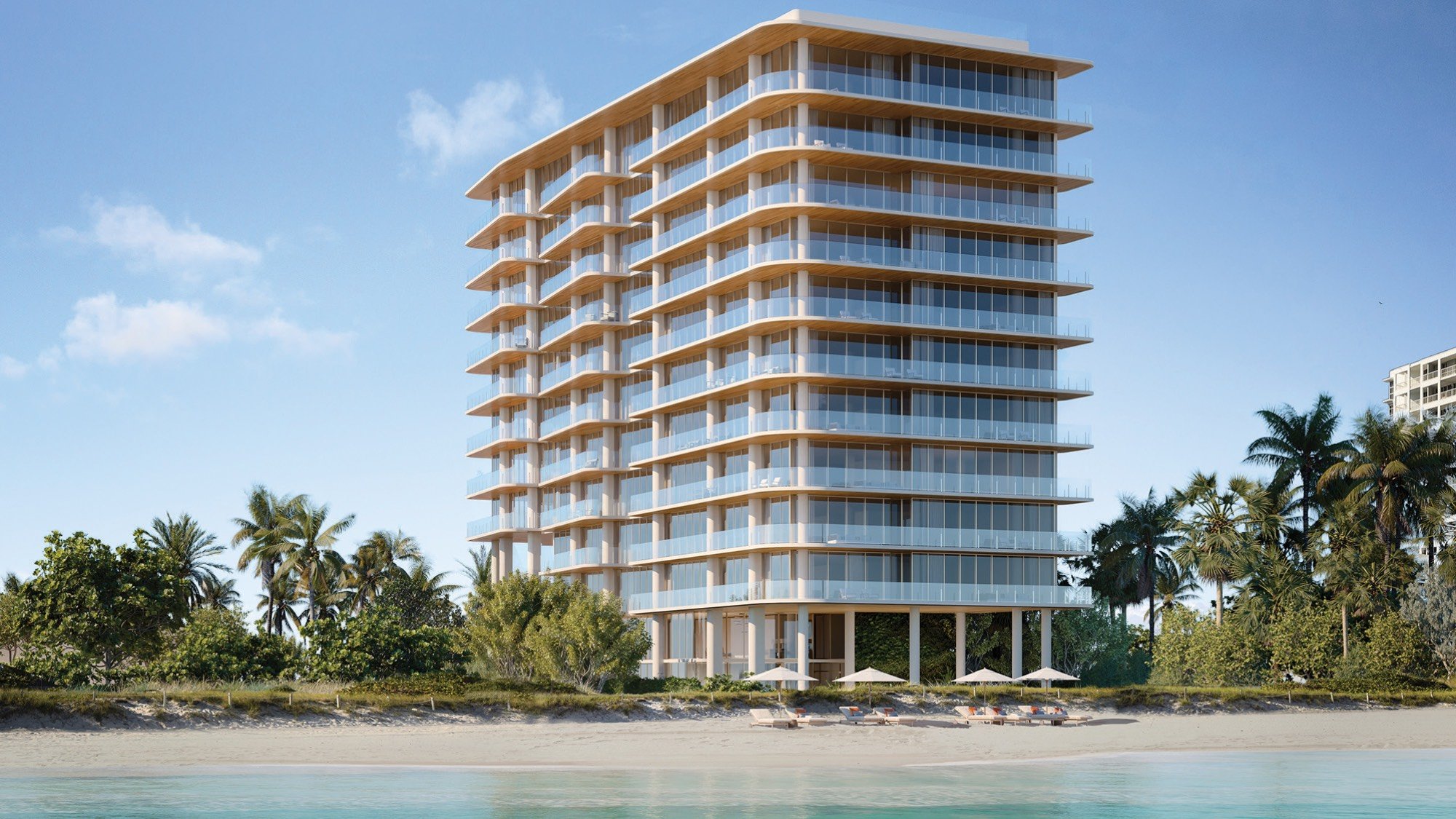
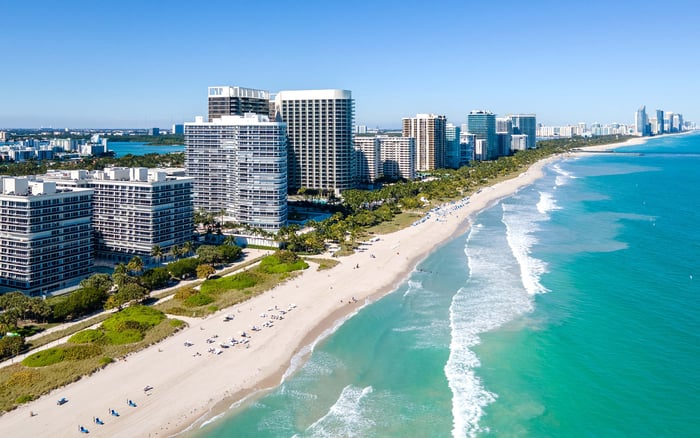
At Ocean House Surfside, the oceanfront setting makes coastal-hazard diligence central to the purchase analysis. The issue is not simply whether the condominium association carries insurance. A buyer must understand which events are covered, where exclusions or sublimits apply, how deductibles operate, and what share of an uncovered loss could ultimately be allocated to owners.
For a resale purchaser, that inquiry belongs alongside title, physical-condition, and financial reviews. Oceanfront ownership can concentrate several layers of risk within a single storm or building event. Wind, surge, water intrusion, damaged glazing, code upgrades, and common-element repairs may not all fall under the same policy. This Buyer's Guide therefore treats insurance as an investment variable, not a closing formality.
A certificate of insurance or coverage summary is an introduction, not a substitute for the policy itself. Counsel and insurance advisers should receive the complete master property policy, including declarations, schedules, endorsements, exclusions, and applicable excess layers. The review should distinguish among general property, windstorm, hurricane, flood, liability, equipment-breakdown, and ordinance-or-law coverage.
Policy limits should then be measured against current replacement-cost assumptions. The calculation should account for construction inflation, debris removal, professional fees, and code-required upgrades rather than focus exclusively on the stated building limit. Responsibility for interiors, owner improvements, glazing, balconies, mechanical equipment, common elements, and water intrusion must also be mapped precisely.
This document-first discipline is equally useful when comparing nearby options such as Arte Surfside. The meaningful comparison is not whether two buildings both show coverage, but how each policy defines covered property, deductibles, limits, and owner responsibility.
Hurricane deductibles require a separate calculation. Buyers should identify whether the deductible applies per occurrence, per calendar year, or under another contractually defined trigger. They should also determine whether different deductibles govern named storms, windstorm losses, flood events, or other property claims.
An association-level figure becomes meaningful only when translated into a potential unit share under the condominium's allocation method. If insurance proceeds and available funds do not absorb the loss, the balance may be passed through as a special assessment. That exposure should be modeled before purchase, including scenarios involving multiple events or an unusually costly claim.
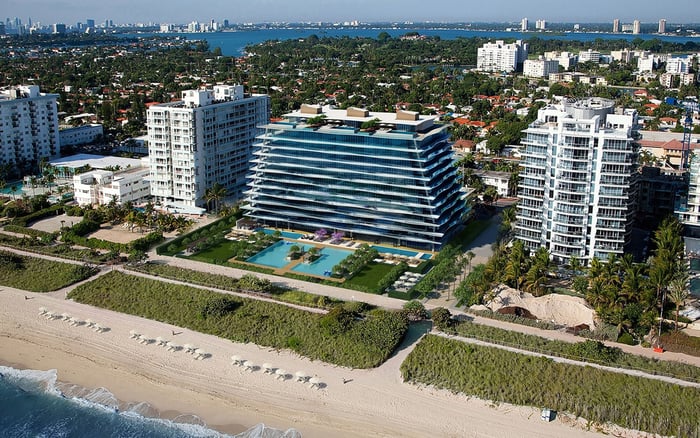
When evaluating Fendi Château Residences Surfside alongside Ocean House Surfside, the same calculation can distinguish headline coverage from the capital an owner might actually need to contribute.
Flood protection cannot be inferred from wind coverage. Storm surge, wave action, and wind-driven damage may fall under different policies, each with distinct definitions, limits, and exclusions. Buyers should verify the property's exact FEMA flood zone and base flood elevation through an address-specific determination rather than infer either from its beachfront location.
The flood review should identify covered property, policy limits, deductibles, exclusions, and the treatment of lower-level equipment or common areas. It should also establish where the association's protection ends and whether the unit owner needs separate flood coverage.
Insurance analysis reveals only part of the potential liability. The latest reserve study, funded balances, projected expenditures, prior special assessments, and deferred maintenance should be reviewed together. A substantial nominal balance may still be inadequate if major projects are approaching, while an apparently modest balance requires context from the expenditure schedule.
Structural-inspection materials, engineering findings, board minutes, budgets, and pending capital plans may reveal obligations absent from the insurance package. Buyers should look for recurring water intrusion, envelope or glazing concerns, mechanical needs, and unresolved recommendations, limiting conclusions to matters documented in the association records.
The same integrated review should guide consideration of The Surf Club Four Seasons Surfside. Policy terms, physical condition, reserves, and planned work should be read as one financial system rather than as separate due-diligence folders.
The unit owner's HO-6 policy should be structured only after the master policy is understood. Relevant elements include interior improvements, contents, additional living expenses, personal liability, flood protection, and loss-assessment coverage. The loss-assessment limit warrants particular attention because it may be the owner's first defense against certain association charges, subject to its own terms and exclusions.
Affordability should also be tested beyond the current premium. Renewal scenarios may involve higher premiums, reduced limits, larger deductibles, or changes in carrier participation. A prudent budget accounts for how those shifts could affect common charges, reserve contributions, or future assessments.
No property-specific conclusion about coverage adequacy or reserve sufficiency can be reached without current policies and association records. The decisive question is how much uninsured, underinsured, deductible, or capital-project exposure could reach the owner-and whether that amount remains acceptable within the buyer's broader holding strategy.
What insurance documents should a buyer request? Request complete master policies, declarations, endorsements, exclusions, schedules, and excess layers, together with current association financial records.
Is a certificate of insurance sufficient? No. It confirms limited information but generally does not disclose the full policy wording, exclusions, sublimits, or deductible mechanics.
Why does the hurricane deductible trigger matter? A per-occurrence deductible can operate differently from a calendar-year deductible, particularly when multiple storm events affect the property.
How should a buyer estimate personal deductible exposure? Apply the condominium's allocation method to the relevant association deductible, then account for available insurance proceeds, reserves, and assessment authority.
Are wind and flood coverage interchangeable? No. Surge, wave action, and wind-related damage may be governed by different policies, definitions, exclusions, and limits.
Can an oceanfront location establish the FEMA flood zone? No. Verify the exact flood zone and base flood elevation through an address-specific, authoritative determination.
Which reserve records matter most? Review the latest reserve study, funded balances, expenditure projections, prior assessments, deferred maintenance, and planned capital projects.
Why review engineering materials and board minutes? They may identify physical conditions, unresolved recommendations, or pending work that insurance documents alone do not reveal.
What should an HO-6 review include? Evaluate improvements, contents, additional living expenses, liability, flood protection, and loss-assessment limits against gaps in the master policy.
Can current records guarantee future insurance affordability? No. Buyers should model renewals with higher premiums, lower limits, larger deductibles, or changing carrier participation.
To compare the best-fit options with clarity, connect with MILLION.
If branded residences are on your mind — as a home or as an allocation — we would be glad to share what we are seeing, privately.
Begin a quiet conversation