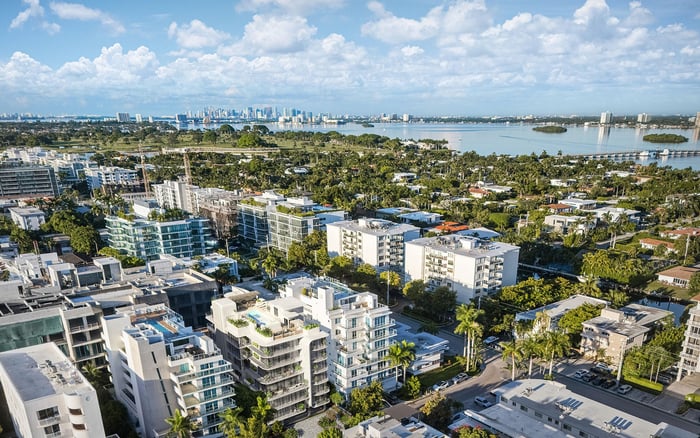
A disciplined framework for coordinating cash, portfolio lending, reserves, contract obligations, and closing timing when considering a residence at Bay Harbor Towers.

For buyers considering Bay Harbor Towers, liquidity planning should begin with the purchase agreement and current written instructions. The essential task is to coordinate available cash, any proposed financing, required documentation, and the date on which funds must be ready.
A buyer's attorney should review the deposit requirements, closing-notice provisions, default terms, permitted funding methods, assignment language, and any financing provisions. Informal expectations should not replace the executed agreement or written direction from the appropriate transaction parties.
A clear plan distinguishes among deposits, the balance due at closing, transaction expenses, lender-required reserves, and post-closing capital. Keeping these categories separate helps the buyer understand which funds must remain immediately accessible and which assets can stay invested.
The same approach can support comparisons with other South Florida residences, including Alana Bay Harbor Islands. Each opportunity should be evaluated under its own documents, funding requirements, and timing rather than through assumptions based on another project.
Buyers using proceeds from securities, a private business, a trust, or an international account should discuss timing and documentation with their legal, tax, and financial advisers. The objective is to avoid relying on capital that may not be transferable when required.
Portfolio lending may be part of a broader wealth strategy, but it requires coordinated review. A prospective lender may need to assess both the borrower and the condominium, so buyers should ask what personal, financial, entity, and project documents will be required.
Early discussions can address the proposed loan structure, collateral approach, reserves, appraisal process, document updates, and anticipated review sequence. Any terms, conditions, or project eligibility conclusions should be obtained directly from the lender rather than assumed.
A backup funding path is prudent whenever financing is part of the plan. Buyers comparing Onda Bay Harbor and Avenia Aventura should expect each contract and condominium review to stand on its own.
The funding calendar should start with the applicable contractual deadline and work backward. Key workstreams may include lender review, appraisal coordination, condominium documentation, entity records, proof of funds, source-of-funds materials, wire preparation, and review of the closing statement.
Buyers should distinguish among an anticipated project timeline, formal closing notice, and the date cleared funds must be available. Counsel and the lender can identify which dates control their respective responsibilities.
A useful stress test asks whether the purchase can still close if financing takes longer than expected, a transfer requires additional documentation, or invested assets are undesirable to sell at that moment. The response should identify a primary funding source, a secondary source, and the people authorized to execute each step.
Before committing, the buyer's attorney, tax adviser, wealth adviser, and lender should work from the same purchase price, ownership structure, funding plan, and expected sequence. Written responsibilities and document deadlines can reduce last-minute confusion.
Cash and financing are not competing answers; they are tools with different implications for certainty, flexibility, and portfolio exposure. The appropriate balance depends on the buyer's circumstances, the contract, and confirmed lender terms.
What document should guide the liquidity plan? The executed purchase agreement and current written transaction instructions should guide funding and timing decisions.
Which funds should be tracked separately? Track deposits, the closing balance, transaction expenses, required reserves, and post-closing capital as distinct categories.
When should portfolio-lending discussions begin? Begin early enough to identify borrower documents, condominium review requirements, appraisal steps, and potential timing constraints.
Should a buyer assume financing will extend the closing deadline? No. Any financing protection or extension right must be confirmed in the executed contract by the buyer's attorney.
Why is a backup funding source useful? It can protect the buyer's ability to perform if a loan, asset sale, or transfer does not proceed on the expected schedule.
What should buyers ask a prospective lender? Ask about borrower underwriting, condominium review, collateral, reserves, appraisal procedures, required documents, and timing.
How should a buyer plan around an estimated completion date? Use contractual notice provisions and written transaction guidance instead of relying solely on an estimate.
What should counsel review before signing? Counsel should review deposits, closing notice, default provisions, funding mechanics, assignment terms, and financing language.
Why separate post-closing capital from purchase funds? Doing so makes the complete liquidity commitment clearer and helps preserve funds intended for needs after closing.
Who should be included in the planning process? The buyer may coordinate with legal, tax, wealth, and lending advisers so the ownership, documentation, and funding plans remain aligned.
When you're ready to tour or underwrite the options, connect with MILLION.
If branded residences are on your mind — as a home or as an allocation — we would be glad to share what we are seeing, privately.
Begin a quiet conversation