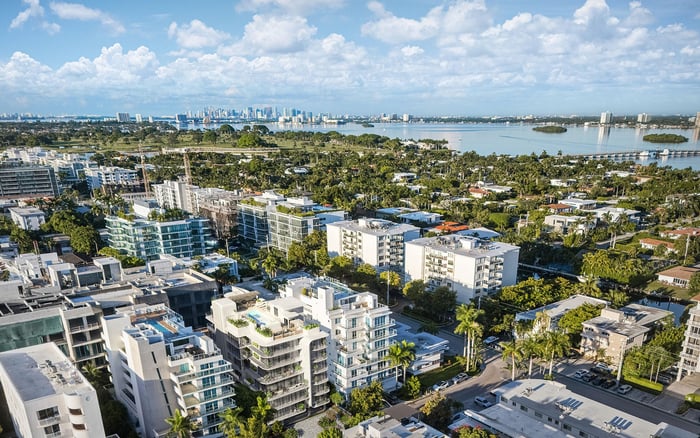
A coordinated capital plan gives Bay Harbor Islands owners a clearer view of building condition, reserve funding, project sequencing, and approvals, without confusing structural inspections with reserve studies.
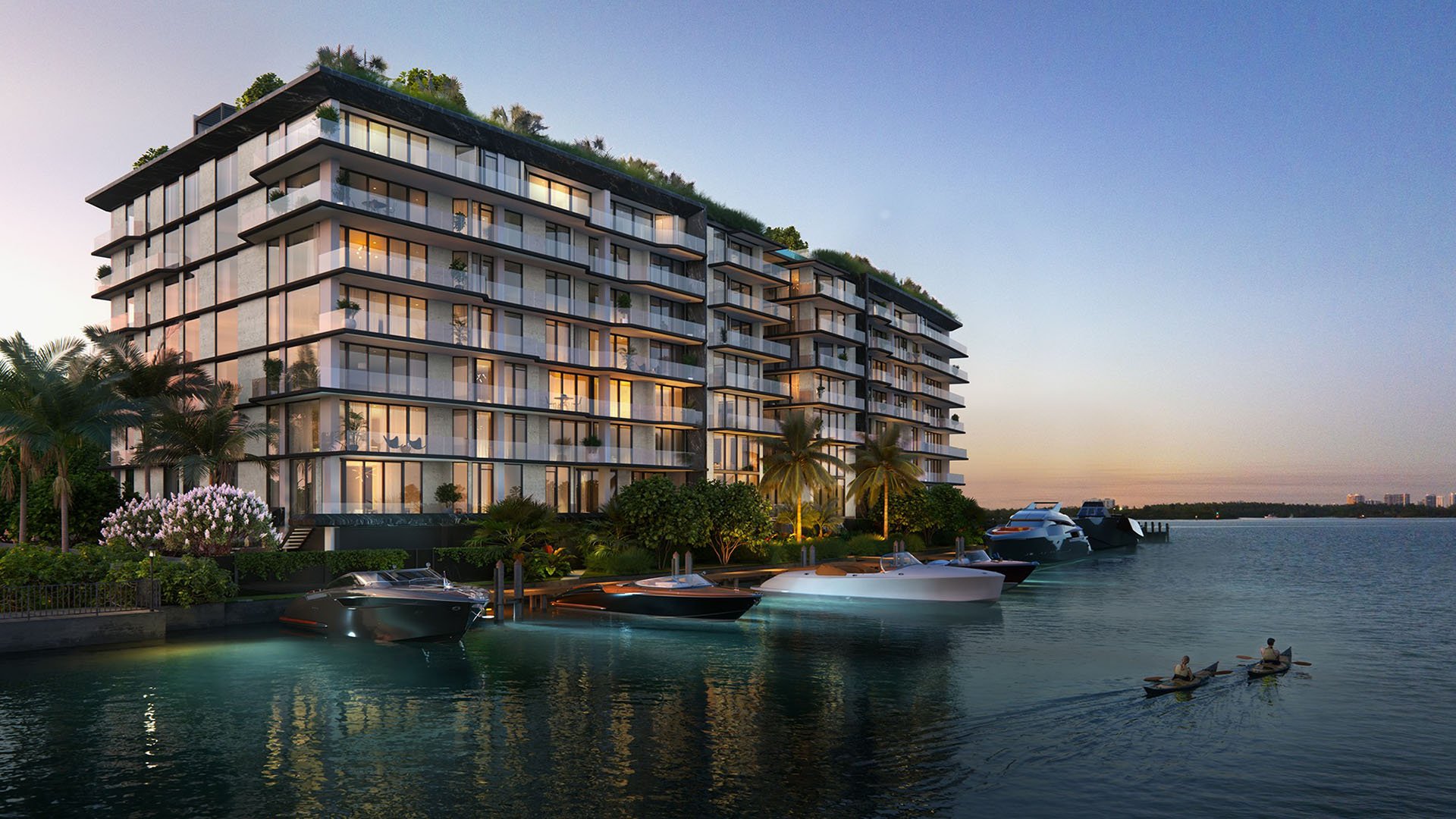
In Bay Harbor Islands, a beautifully appointed residence is only part of the ownership proposition. Equally important is the building's capacity to maintain its roof, exterior envelope, plumbing, and electrical infrastructure on a clear schedule with credible funding. For a discerning buyer, that deserves the same attention as the floor plan.
The most useful management approach is to review these systems as one capital plan. This is an organizational recommendation, not a legal requirement to merge a milestone inspection and a structural integrity reserve study into one document. The objective is clarity: what needs attention, who is responsible, when work should occur, and how it will be funded.
For buyers considering Alana Bay Harbor Islands, the question is not simply what the monthly charges cover, but what the building's available documents establish about future obligations. Project references here provide buyer context, not assessments of any property's condition or reserve adequacy.
Florida's milestone-inspection requirement applies to qualifying residential condominium and cooperative buildings of at least three habitable stories. The general schedule begins by December 31 of the year a qualifying building reaches 30 years and repeats every 10 years, subject to applicable statutory provisions. Associations must arrange and pay for inspections of the portions they are responsible for maintaining under their governing documents.
A structural integrity reserve study, or SIRS, serves a distinct reserve-planning function. Florida's condominium statute requires it at least every 10 years for each qualifying condominium building of three habitable stories or more. Its scope includes the roof; load-bearing walls, floors, and foundations; plumbing; electrical systems; fireproofing and fire-protection systems; waterproofing; exterior painting; and windows.
The deadlines should remain separate on the management calendar. For qualifying buildings that reached 30 before July 1, 2022, the initial milestone deadline was December 31, 2024. Under the 2025 condominium statute, qualifying unit-owner-controlled associations existing on or before July 1, 2022, had an initial SIRS deadline of December 31, 2025, subject to transition provisions.
Those provisions allow eligible associations with milestone inspections due on or before December 31, 2026, to complete the SIRS concurrently, but not after that date. Buyers should ask association counsel and the relevant professionals to confirm applicability and any subsequent legal changes rather than treat these dates as universal instructions.
A practical capital plan starts with a shared component register. For each item, record its condition, estimated remaining useful life, next action, estimated cost, maintenance responsibility, proposed funding source, required approvals, and target year. Date each estimate so that an older assumption does not quietly become a current commitment.
The statutory reserve calculation uses estimated remaining useful life and estimated replacement cost or deferred-maintenance expense. Management should connect those estimates to defined work rather than treat a reserve balance as a stand-alone measure of readiness.
Each of the five principal categories in this review calls for different questions:
Roof: What condition has been documented, what action is recommended, and when is replacement or deferred maintenance anticipated?
Façade: Which elements involve finishes, windows, waterproofing, or structural work, and have those scopes been distinguished?
Plumbing: Which systems fall within association responsibility, and what maintenance or replacement assumptions support the funding plan?
Electrical: Which components have been evaluated, what work has been identified, and how is its timing reflected in reserves?
Waterproofing: What specific areas and interventions are contemplated, and how do they relate to other envelope projects?
These five categories are a management lens, not the complete statutory SIRS scope. Routine maintenance, capital replacement, and corrective structural work should remain separately identifiable. Painting is not interchangeable with waterproofing, and neither should substitute for a defined concrete-restoration scope.
A coordinated plan should begin with records, not a preferred construction season. Collect inspection findings, reserve studies, maintenance histories, governing documents, and available project records. Then ask the appropriate professionals to identify deficiencies, distinguish urgent actions from longer-horizon needs, and define the proposed work.
Only then should management test project sequencing. Ask whether one scope depends on another, whether access can be coordinated, and whether completing finishes before underlying work would create avoidable repetition. These are planning questions, not reasons to postpone necessary corrective work.
For a purchaser evaluating Bay Harbor Towers, the same discipline translates into a document request: seek the applicable component assumptions, proposed project schedule, and explanation of funding responsibilities. A project name alone establishes none of those details.
Funding should be scheduled against defined projects and reviewed for timing gaps. A long-range estimate and an imminent expenditure pose different management problems, even when they appear in the same reserve study.
Most construction work in Bay Harbor Islands requires a permit administered by the Town's Building & Zoning Department. Exterior modifications may also require Town Planner or Design Review Board approval in addition to building-code review. Regulated development wholly or partly within a flood-hazard area requires applicable floodplain and building approvals before work begins.
These requirements belong in the component register and project schedule, not in a separate administrative file consulted only after a contractor is selected. For each proposed scope, management should identify the necessary approvals and who is responsible for securing them. Owners should distinguish a contemplated project from one with a defined scope, funding path, and necessary approvals.
For owners who are not continuously in residence, the recommended capital plan should include a communication schedule alongside the work schedule. Ask management to explain anticipated access needs, potential interruptions, and timing changes as project details become available. The aim is an orderly ownership experience, not a promise that construction will be invisible.
A buyer considering Onda Bay Harbor can apply the same standard of inquiry. Buyers comparing Bay Harbor Islands with Bal Harbour should likewise use a consistent document checklist rather than infer management quality from location or presentation.
Refresh the plan's assumptions annually and revisit them when professional findings or project definitions change. The strongest ownership decision rests on a traceable connection between condition, responsibility, scope, funding, and timing. One capital plan should clarify those connections without disguising uncertainty or merging distinct legal duties.
For a considered approach to Bay Harbor Islands ownership, explore residential opportunities with MILLION.
If branded residences are on your mind — as a home or as an allocation — we would be glad to share what we are seeing, privately.
Begin a quiet conversationIt means coordinating building condition, project scope, responsibility, funding, approvals, and timing in one management framework. It does not mean legally merging a milestone inspection and a reserve study.
The requirement applies to qualifying residential condominium and cooperative buildings with at least three habitable stories. Individual applicability depends on building details and statutory provisions.
The general schedule begins by December 31 of the year a qualifying building reaches 30 years and repeats every 10 years. Applicable statutory provisions must also be checked.
Associations must arrange and pay for inspections of the building portions they are responsible for maintaining under their governing documents.
Florida's condominium statute requires a structural integrity reserve study at least every 10 years for each qualifying condominium building of three habitable stories or more.
Yes. Its scope includes the roof, structural elements, plumbing, electrical systems, fireproofing and fire-protection systems, waterproofing, exterior painting, and windows.
The calculation uses estimated remaining useful life and estimated replacement cost or deferred-maintenance expense for the reserve item.
Under the 2025 transition provisions, eligible associations with milestone inspections due on or before December 31, 2026, may complete the SIRS concurrently, but not after that date. Applicability and subsequent legal changes should be confirmed.
Most construction work requires a building permit, and exterior modifications may also require planning or design review. Regulated work within a flood-hazard area requires applicable floodplain and building approvals before it begins.
Request applicable inspection findings, reserve studies, maintenance records, governing documents, and proposed project and funding schedules. Evaluate how clearly those documents connect condition and responsibility to future work.