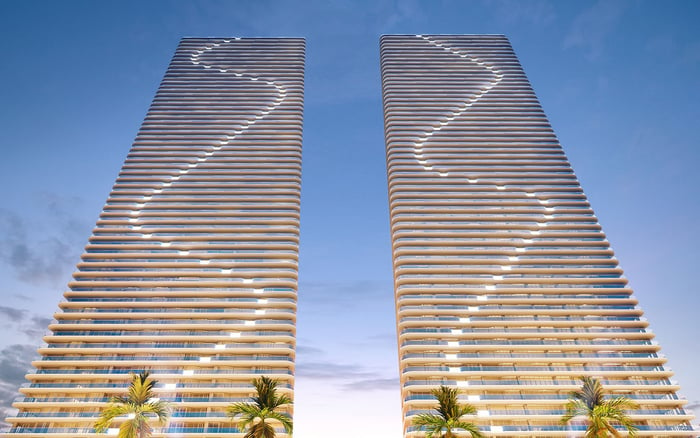
A disciplined line-selection framework for evaluating view resilience, ambient noise, solar exposure, privacy, floor premiums, and potential resale friction at The Cove Residences Edgewater.

At The Cove Residences Edgewater, two residences with comparable interior programs may deliver materially different ownership experiences. The distinction often begins beyond the floor plan: what the windows frame, what reaches the terrace acoustically, how sunlight enters the rooms, and whether neighboring residents can see into the home.
For a buyer, line selection should therefore precede negotiation. An attractive asking price cannot permanently compensate for a compromised outlook, persistent traffic noise, punishing afternoon exposure, or direct sightlines from another building. Conversely, a line with enduring advantages may justify a premium even when finishes and dimensions appear similar on paper.
This Cove Miami buyer framework treats views, noise, exposure, and privacy as interconnected value drivers. It is particularly relevant to waterfront property, where water-view appeal can dominate the first showing but should not eclipse comfort or future marketability.
A compelling panorama has two components: present beauty and future resilience. Begin by mapping every element of the outlook, including neighboring towers, lower structures, undeveloped parcels, rights of way, public parks, baywalk activity, marinas, and amenity decks. The objective is not to predict an unverified development outcome, but to distinguish protected openness from openness that merely exists today.
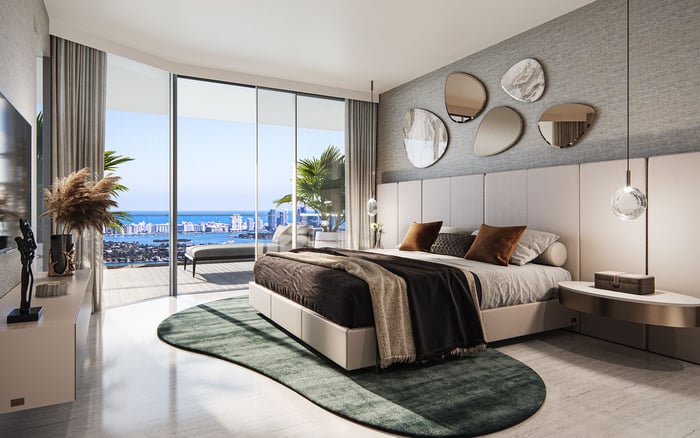
Study the view from seated and standing positions in the living room, primary bedroom, kitchen, and terrace. A narrow water corridor may photograph dramatically yet feel less persuasive in daily life. A broader composition, even if less theatrical, can offer greater visual depth and less dependence on a single vulnerable angle.
Apply the same discipline when comparing nearby options such as Aria Reserve Miami, EDITION Edgewater, and Villa Miami. Together, they form a useful Edgewater comparison set, but the decisive analysis remains residence-specific: exact orientation, elevation, setbacks, and intervening sites.
A short midday tour rarely captures the full noise profile. Visit during morning movement, the evening return home, and a weekend period. Listen with the balcony doors open and closed, then repeat the exercise in the bedrooms. Traffic associated with Biscayne Boulevard, waterfront activity, public spaces, boats, mechanical equipment, loading areas, and amenity decks may register differently by line and elevation.
Higher floors should not automatically be treated as silent. Elevation may separate a residence from immediate street activity, yet sound can travel across open space. Lower lines may benefit from landscaping or physical screening but could sit closer to active circulation. The right conclusion comes from direct observation, not a rule of thumb.
Buyers should also distinguish occasional urban sound from repetitive intrusion. A brief daytime event may be acceptable to a second-home owner, while a recurring early-morning or late-evening pattern can affect sleep, terrace use, and eventual resale conversations.
Exposure influences atmosphere, glare, temperature, furnishings, and the hours when a terrace feels inviting. East-oriented rooms may receive brighter morning light, while west-oriented rooms can experience stronger afternoon sun. Yet compass direction alone is incomplete. Overhangs, neighboring structures, glass area, room depth, and seasonal sun angles all shape the result.
Tour when the exposure is likely to be most demanding. Observe glare on screens, direct light across seating areas, and whether shades would need to remain closed during preferred living hours. Ask for the window and shading specifications available for the residence, then evaluate them against personal habits rather than assuming all glazing performs identically.
For comfort-oriented end users, balanced daylight may be worth more than maximum brightness. A trophy-view buyer may accept stronger exposure to secure a particular horizon. An investment purchaser should consider whether future occupants will perceive the exposure as an asset, a manageable trade-off, or a recurring objection.
Privacy is not simply the distance to the next tower. It depends on angle, elevation, opposing balconies, bedroom placement, and the visibility created after dark. Stand at each window and terrace edge, then identify direct and diagonal sightlines. Consider the same views with interior lights on, when reflective glass may offer less perceived screening.
Pay particular attention to views toward neighboring amenity areas, circulation routes, marinas, parks, and baywalks. Activity can add energy and visual interest, but it may also reduce seclusion. A line that feels private from the living room could expose the primary suite, while a terrace may be shielded on one side and open to balconies on the other.
Privacy also has a resale dimension. Buyers can renovate finishes, lighting, and storage; they generally cannot alter a fixed relationship with an opposing façade. Structural disadvantages deserve greater negotiating weight than cosmetic shortcomings.
Separate the proposed premium into four categories: line, floor, structural advantage, and interior condition. First, compare the line with other orientations in the building. Second, determine what the added elevation genuinely improves. Third, identify lasting strengths, such as broader openness or less direct overlook. Finally, value upgrades without allowing them to obscure immovable weaknesses.
Do not pay a floor premium twice. If a higher residence preserves essentially the same outlook, noise profile, and privacy as a lower alternative, the incremental price warrants careful scrutiny. If the added elevation materially clears an obstruction or changes sightlines, the premium may be more defensible.
The offer should also reflect likely resale friction. A dramatic but vulnerable view, intrusive recurring noise, severe glare, or direct bedroom overlook may narrow the future buyer pool. The principle is simple: negotiate hardest against permanent disadvantages, not features that can be altered after closing.
The best line is personal, but it should not be arbitrary. Trophy-view purchasers can prioritize breadth, horizon, and visual drama. Comfort-oriented end users may favor softer light, quieter bedrooms, and greater privacy. Income-focused buyers should emphasize broad tenant appeal and minimize characteristics that require lengthy explanation.
Create a one-page scorecard for each candidate residence. Rate view resilience, noise, exposure, and privacy separately, then add the floor premium, line premium, and probable resale friction. Weight each category according to intended use. This discipline prevents an emotional terrace moment from overwhelming the full ownership equation.
What does a condominium line mean? A line identifies a recurring vertical stack of residences with a shared position and orientation within a building.
Should the highest floor always command the strongest offer? No. Added elevation is most valuable when it materially improves views, privacy, noise, or light.
How can a buyer assess view resilience? Map neighboring buildings, open parcels, setbacks, rights of way, parks, marinas, and waterfront activity within the sightline.
When should noise be tested? Visit during morning, evening, and weekend periods, listening from bedrooms and terraces with doors both open and closed.
Is a west-facing residence necessarily undesirable? No. Afternoon light may be appealing, but glare, heat, shading, and preferred living hours should inform the decision.
Do higher residences eliminate street noise? Not necessarily. Elevation changes the acoustic relationship, but sound may still travel across open areas.
How should privacy be evaluated before making an offer? Check direct and diagonal sightlines from every principal room, balcony, and bedroom, including likely nighttime conditions.
Which disadvantages deserve the largest negotiation adjustment? Fixed issues such as vulnerable sightlines, recurring noise, severe exposure, and direct overlook generally merit the closest attention.
What matters most to a future resale buyer? Durable views, comfortable light, usable outdoor space, privacy, and an easily understood price position tend to broaden appeal.
How should competing lines be compared? Use a weighted scorecard to compare line premiums, floor premiums, structural strengths, and probable resale friction.
When you're ready to tour or underwrite the options, connect with MILLION.
If branded residences are on your mind — as a home or as an allocation — we would be glad to share what we are seeing, privately.
Begin a quiet conversation