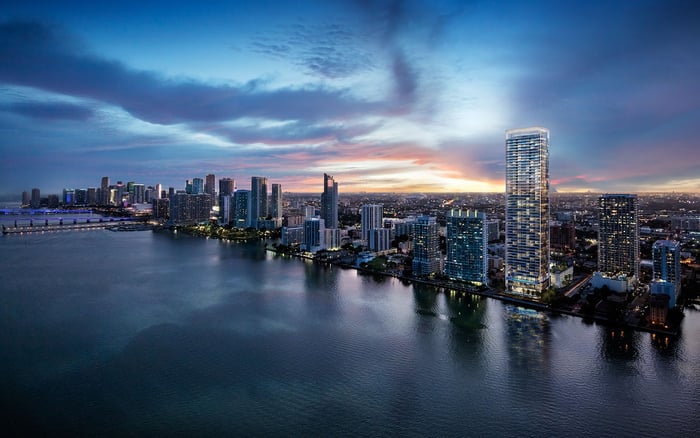
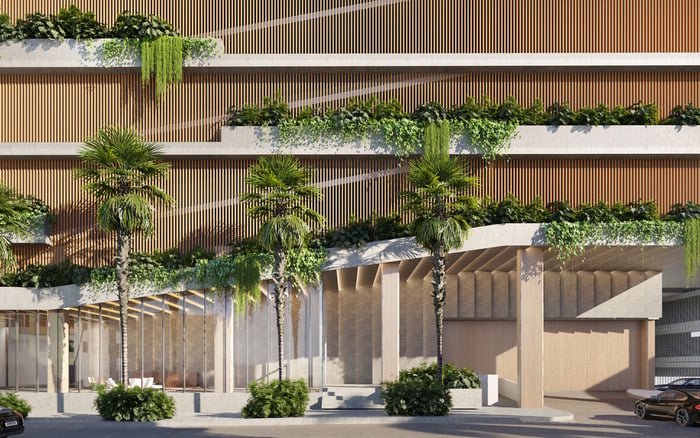
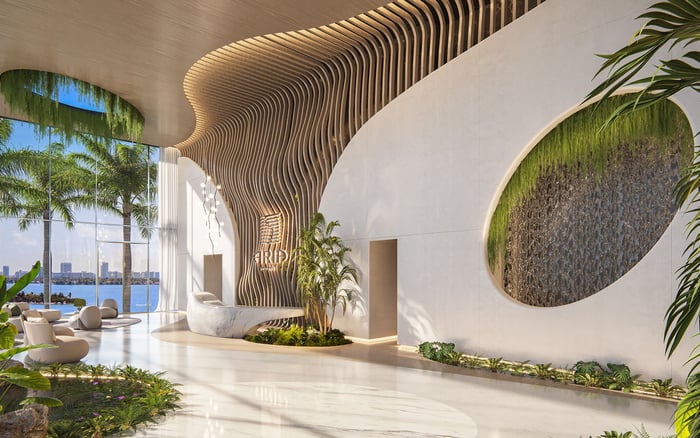
A disciplined review of a water-view residence at Aria Reserve Miami should separate the panorama from the practical effects of exposure, glare, privacy, terrace usability, floor height, and room-specific sightlines.
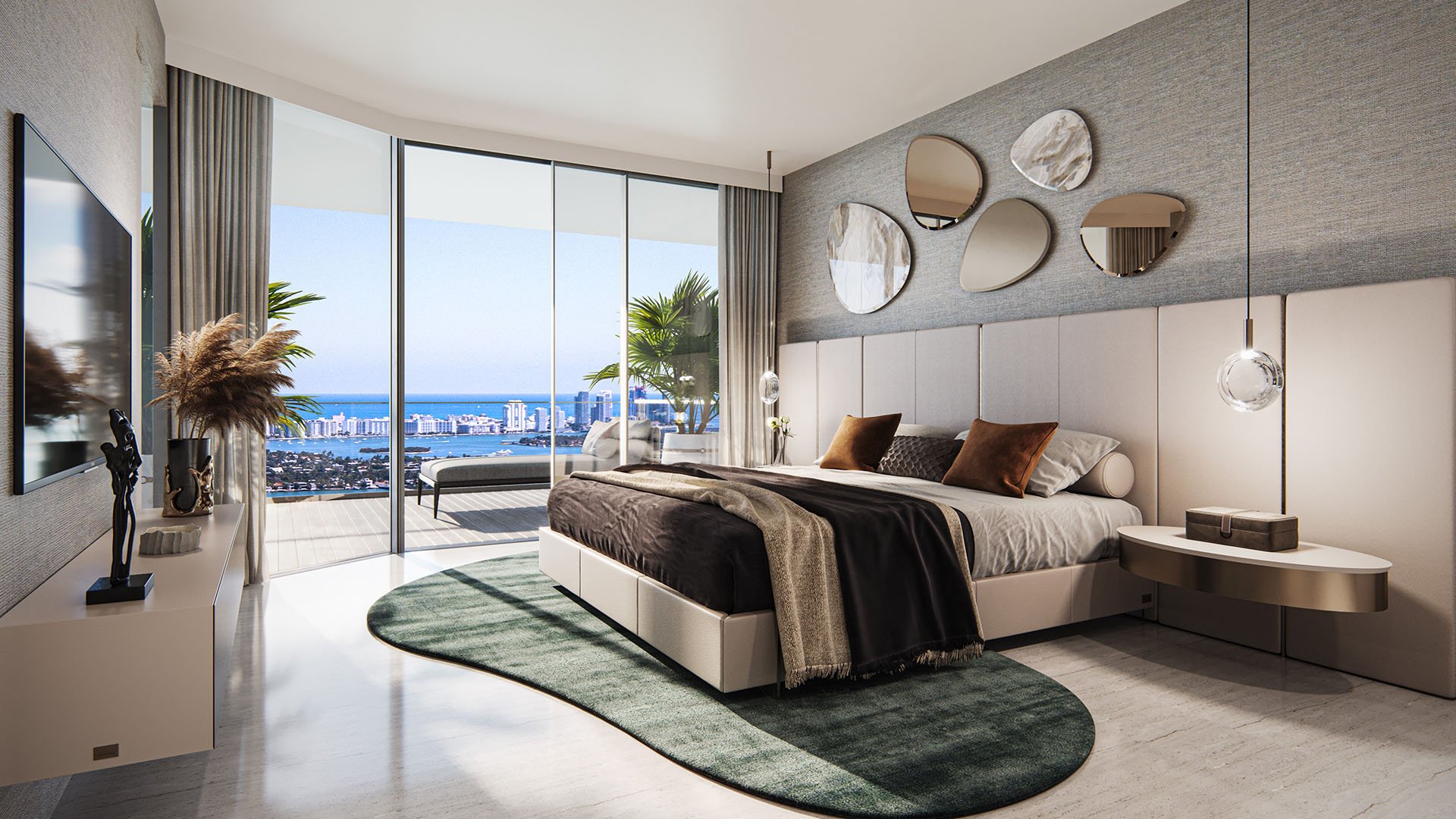
At Aria Reserve Miami, buyers considering a water-view residence should look beyond a single listing image or broad view description. The practical experience can vary with the residence’s floor, stack, layout, glazing, terrace, furnishings, and surrounding sightlines.
A useful review begins at the entry and continues through every principal living area, bedroom, and outdoor space. Buyers should note where the water is visible while standing and seated, whether the view remains prominent from the main furniture zones, and how interior circulation changes the composition.
Exposure should be assessed as a daily pattern rather than a fixed label. Direct light, reflected light from the water, cloud cover, interior finishes, and the angle of the glazing can change brightness and visual comfort throughout the day.
Whenever possible, inspect the same residence in the morning, late afternoon, and after dark. This makes it easier to identify glare on screens, reflections in the glass, bright conditions in sleeping areas, and changes in nighttime privacy. Window treatments and furniture placement may help, but they should be considered alongside the desired openness of the view.
A dramatic panorama does not automatically guarantee comfortable light conditions. Glare may affect one room while leaving another comfortable, and conditions on a terrace can differ from those inside at the same time.
Test likely seating, dining, working, and television positions. In bedrooms, consider how light may interact with sleep routines and whether shading would alter the visual connection to the water. The goal is not to eliminate natural light, but to understand how the residence performs during the hours that matter most to its occupants.
Privacy is more than the distance from another building. Angled views, neighboring terraces, illuminated interiors, reflective glass, and furniture placement can all affect how exposed a room feels.
Stand near the glazing, sit in the intended furniture zones, and walk the full terrace. Repeat the review after dark, when interior lighting can change visibility. Entry privacy should also be evaluated separately from privacy at windows, bedrooms, and outdoor areas.
A terrace can strengthen the relationship between the interior and the water, but its usefulness depends on more than its presence. Buyers should review shade, glare, wind exposure, seating-level sightlines, neighboring visibility, and the transition from the main living area.
Consider whether the view remains compelling from a seated position and whether doors, columns, railings, or furniture plans affect the composition. A terrace that photographs well may feel different during regular use, so repeated observation is valuable.
Comparisons are most useful when the same checklist is applied to every option. Buyers can evaluate a residence at Aria Reserve alongside EDITION Edgewater, Villa Miami, or The Cove Residences Edgewater without assuming that a shared neighborhood or water-oriented description creates an identical experience.
For each residence, record the floor, stack, room-by-room outlook, terrace relationship, glare observations, privacy considerations, and visible horizon. Consistent notes and photographs can make subjective impressions easier to compare.
View language can influence how a future listing is presented, but broad labels should not replace precise observation. A buyer should identify which rooms contain the strongest outlook, whether the water remains visible from normal seating positions, and how privacy or glare affects daily enjoyment.
There is no basis here for assigning a fixed resale premium to a particular floor, stack, or view label. A prudent analysis compares similar residences and weighs view quality together with layout, condition, privacy, outdoor usability, and the surrounding context.
Before making a decision, revisit the residence under different light conditions and photograph the same positions each time. Test screens, seating areas, bedrooms, and the terrace; note reflections and neighboring sightlines; and distinguish current observations from assumptions about future conditions.
The strongest assessment is specific to the individual residence. It should explain not merely that water is visible, but where the view appears, when the light is comfortable, how private the rooms feel, and whether the outlook supports the intended lifestyle.
Does every residence at Aria Reserve Miami have the same water-view experience? Buyers should not assume uniformity. Floor, stack, room position, terrace configuration, and surrounding sightlines can shape the experience of an individual residence.
When should a buyer inspect a water-view residence? If possible, visit in the morning, late afternoon, and after dark to observe changes in brightness, reflections, glare, and privacy.
Is a higher floor automatically better? Not necessarily. Elevation is only one consideration alongside layout, stack, terrace usability, room-specific sightlines, and privacy.
How should glare be tested? Review likely seating, working, dining, sleeping, and television positions at different times rather than judging glare from one spot.
Why does nighttime privacy matter? Interior lighting can change visibility through the glass. An evening visit can reveal sightlines that may not be apparent during daylight.
What should buyers examine on the terrace? Consider seating-level views, shade, glare, wind exposure, neighboring visibility, and the connection to the principal living area.
Do view labels establish resale value? No fixed conclusion should be drawn from a label alone. Resale positioning also depends on the view from specific rooms, layout, condition, privacy, and outdoor usability.
How can two water-view residences be compared fairly? Apply the same checklist to each option and document floor, stack, sightlines, light conditions, privacy, and terrace performance.
Can window treatments resolve every comfort concern? Window treatments may help manage brightness or privacy, but they can also alter the openness of the view and should be evaluated as part of the overall experience.
What should be verified before making a decision? Confirm the individual residence’s layout and sightlines through direct observation, and distinguish present conditions from assumptions about how the surroundings may evolve.
For a discreet conversation and a curated building-by-building shortlist, connect with MILLION.
If branded residences are on your mind — as a home or as an allocation — we would be glad to share what we are seeing, privately.
Begin a quiet conversation