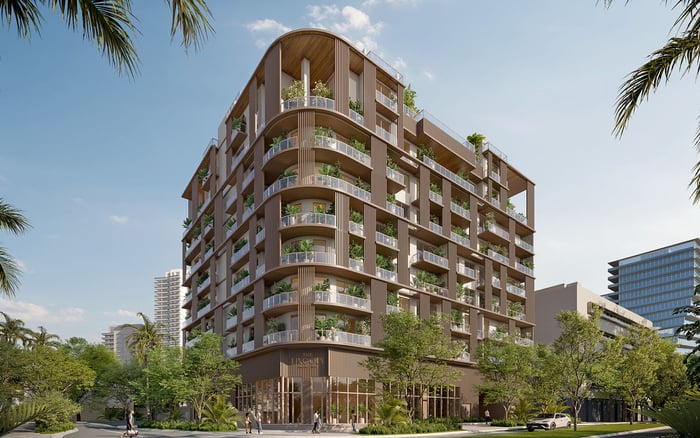
A considered move from Vancouver to Coconut Grove begins with a realistic funding calendar and property-specific resale diligence. Coordinate available proceeds, discreet showings, and future purchaser requirements before committing to a South Florida purchase timeline.

The most consequential detail in a Vancouver-to-Coconut Grove relocation may not be the residence you choose, but when your existing capital becomes available. Plan the Coconut Grove purchase around two questions: which funds are ready to deploy, and what conditions could affect your eventual resale of the Florida property?
For a buyer considering Four Seasons Residences Coconut Grove, the prudent starting point is a funding calendar, not an assumed Vancouver sale date. Separate funds already available from proceeds that depend on consent, a purchaser, or a completed transaction.
Keep the South Florida search focused on properties you can evaluate without treating an unresolved exit as a confirmed source of funds. A preferred residence and a workable purchase timetable should be assessed together.
If your purchase depends on disposing of a Vancouver home or presale contract, ask qualified advisers to confirm the relevant transfer permissions, marketing restrictions, charges, and timing provisions. Do not treat an anticipated transaction as completed simply because there is buyer interest.
The relevant planning number is the amount your advisers expect to remain available after applicable costs and taxes, rather than headline equity. Have them assess both the intended exit and a delayed outcome before you set a Coconut Grove commitment date.
Address Canadian departure, immigration, and Canada-US tax-residency questions separately with qualified advisers. For the Florida purchase calendar, record the resulting funding assumptions and identify which remain unresolved rather than attempting to substitute a general estimate for transaction-specific advice.
Discretion is best treated as an operating plan. During the Coconut Grove search, discuss appointment windows, advance notice, visitor coordination, and image handling with the team arranging access. Confirm what can actually be accommodated at each residence.
If Park Grove Coconut Grove is under consideration, ask how visits to the particular residence can be coordinated. Do not infer a showing policy from a building’s profile or reputation.
Apply the same discipline when planning a future resale. Discuss privacy preferences alongside marketing permissions and the desired sale timetable. Ask how photography, listing materials, and viewing requests would be handled before authorizing a marketing approach.
The objective is a clearly agreed process that respects the household while allowing serious purchasers to evaluate the property. Privacy preferences should be documented as arrangements to confirm, not presented as universal restrictions or automatic legal entitlements.
A neighborhood impression is not enough to establish how readily a particular residence might sell. Request evidence relevant to the property and distinguish completed transactions from asking prices. Keep marketing time separate from transaction completion and any applicable purchaser-review period.
When evaluating Arbor Coconut Grove, make that distinction part of your diligence. Ask your advisers which available sales are genuinely useful comparisons and where the evidence is limited. Do not assume that any named project shares another building’s resale pace.
Use the same standard across the shortlist. Rather than relying on a single expected sale date, consider how a longer marketing period would affect your plans. The question is not whether a future exit can be guaranteed, but whether your ownership plan can accommodate uncertainty.
Future buyer approval is a document question, not a neighborhood convention. Do not assume that every Coconut Grove association requires an interview, follows the same deadline, or has identical authority to reject purchasers.
Request the governing documents and any applicable purchase-application materials. Ask counsel and management to clarify whether a purchaser review applies, what information is required, what timing provisions govern, and how those provisions interact with a proposed closing. Check any claimed rejection authority against the documents and applicable law.
For The Well Coconut Grove, as for any prospective purchase, make those questions part of diligence rather than attributing an unverified approval process to the project. Reconfirm the applicable requirements when a future resale is contemplated.
Rental flexibility warrants similar care. Verify the particular property’s permitted lease terms and procedures before treating rental income as an alternative to selling. Do not assume that a preferred rental arrangement will be permitted.
Organize the move around confirmed milestones: adviser-reviewed exit assumptions, available purchase funds, Florida document review, and the proposed closing. Keep marketing time, transaction completion, and any applicable purchaser review as separate intervals.
If the Florida commitment would precede the Vancouver exit, ask your advisers to assess how the purchase would be funded without those proceeds. The aim is not to predict every delay, but to avoid making one uncertain transaction the sole support for another.
For a discreet conversation about aligning your Coconut Grove search with these priorities, connect with MILLION.
If branded residences are on your mind — as a home or as an allocation — we would be glad to share what we are seeing, privately.
Begin a quiet conversationAsk qualified advisers to confirm exit permissions, timing, costs, and tax exposure. Separate expected proceeds from funds already available for the Florida purchase.
Have your advisers assess how the Coconut Grove purchase would be funded without those proceeds. Keep unresolved funding assumptions separate from confirmed milestones.
Use adviser-reviewed net proceeds after applicable costs and taxes rather than headline equity. Keep that estimate distinct from funds already available.
Discuss appointment windows, advance notice, visitor coordination, and image handling with the team arranging access. Confirm the arrangements for the particular residence.
Do not infer a showing policy from a building’s profile or reputation. Ask how access to the particular residence can be coordinated.
Request property-relevant completed sales and distinguish them from asking prices. Ask your advisers to identify gaps in the available evidence.
Keep marketing time, transaction completion, and any applicable purchaser review separate in your planning. Do not treat an expected marketing period as a confirmed closing timetable.
Do not assume a uniform process. Review the particular property’s documents for application requirements, timing provisions, and purchaser-review authority.
Reconfirm the applicable governing documents and purchase-application materials with counsel and management. Clarify how any purchaser review would interact with the proposed closing.
Verify the property’s permitted lease terms and procedures before relying on rental income. Do not assume that your preferred rental arrangement is allowed.