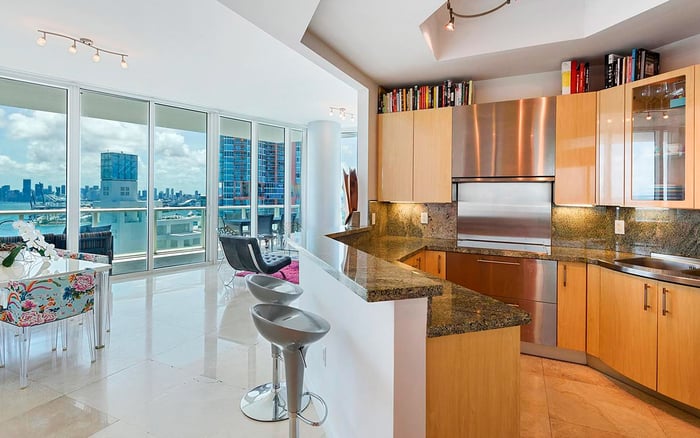
For an executive purchasing a Florida condominium as a primary residence, disciplined diligence connects structural findings, reserve funding and unresolved repairs before the transaction advances toward closing.

For an executive choosing a Florida primary residence, the most consequential details may lie far from the private terrace. Structural condition, reserve planning and unfinished repairs deserve the same attention as the residence itself. The objective is not merely to collect documents, but to determine whether the building’s findings, financial commitments and repair status tell a consistent story.
A Brickell search that includes Una Residences Brickell should begin with that discipline, as should a search elsewhere. Project references here illustrate shopping contexts, not conclusions about any association’s condition or compliance. For a time-constrained purchaser, a concise decision brief connecting the relevant documents is more useful than an unread archive.
Structural Integrity Reserve Study requirements, commonly called SIRS, generally cover condominium and cooperative buildings with three or more habitable stories. These are association-level obligations, not universal rules for every Florida primary residence. Under the 2025 changes, a parking-only level does not count as a habitable story for this purpose.
Before treating a document as missing, ask your advisers to establish whether the building requires it. Property type, story count and applicable exceptions matter. A detached-home purchase should not inherit a condominium checklist merely because both properties will serve as primary residences.
HB 913 extended the initial SIRS deadline for affected existing associations to December 31, 2025, subject to statutory exceptions. Required studies recur at least every 10 years. Ask for the latest study date and the basis for any claimed exception; do not assume a newer building is exempt.
A milestone inspection evaluates current structural condition. Required milestone inspections are performed by licensed engineers or architects; they do not replace an ordinary inspection of the individual residence. For a buyer, their value lies in the findings and unresolved technical questions-not simply confirmation that an inspection occurred.
A SIRS addresses financial planning for covered components. It evaluates remaining useful lives and anticipated repair or replacement costs to support structural reserves. Having a study does not establish that identified work has been completed or funded.
A turnover inspection report documents building condition at the developer-to-owner transition. It can help identify deficiencies that remain disputed or unrepaired. Read it alongside subsequent findings and ask what happened to each material issue, rather than treating turnover as a closed chapter.
Together, these documents address condition, financial preparation and the history of deficiencies. None substitutes for the others.
Request applicable SIRS, milestone and turnover materials alongside governing documents, the adopted budget, reserve schedules and financial statements. Coordinate delivery through the seller and your transaction advisers. SIRS and milestone inspection reports are association official records, but that status does not give a prospective purchaser an unrestricted right to obtain records directly.
For a Miami Beach search that includes 57 Ocean Miami Beach, the same document-first approach keeps lifestyle preferences separate from association review. Ask whether each applicable document is available, whether it is current for its purpose and whether its findings align with the financial information supplied.
Section 718.503 requires conspicuous condominium contract disclosure when an association must complete an applicable milestone inspection, turnover inspection report or SIRS but has not done so. Have counsel review applicability and contract language; do not automatically extend that condominium provision to a cooperative purchase.
SIRS covers roofs, primary structural members, fire protection, plumbing, electrical systems, waterproofing and exterior painting, windows and exterior doors, plus other qualifying items whose failure could affect structural integrity. That scope differs materially from an evaluation of the lobby or amenity suite.
HB 913 requires a baseline funding plan designed to keep the projected reserve cash balance from falling below zero over a 30-year outlook. This is a planning framework, not a guarantee against future cost changes or assessments. SIRS components must also be distinguished from non-SIRS items, helping a buyer separate structural funding from amenities and other capital expenditures.
Ask your financial adviser to compare the study’s funding schedule with the adopted budget and reserve schedules. Where figures or timing differ, request an explanation. Structural reserve requirements and previously underfunded repairs can increase regular assessments or create special-assessment exposure. Current dues alone are therefore an incomplete measure of affordability.
A useful repair review starts with specific questions. For each material finding, ask what work is recommended, what remains unresolved, what cost is anticipated and where funding appears in the association’s planning. Request documentation supporting statements that work is complete, and ask a qualified technical adviser to evaluate whether it addresses the original finding.
In Sunny Isles Beach, a purchaser considering Jade Signature Sunny Isles Beach can apply the same framework without drawing conclusions from the address or presentation. A polished residence is not evidence of the status of shared building systems.
A practical decision brief can distinguish work described as complete, planned work with identified funding and unresolved items requiring clarification. These are review categories, not legal conclusions. Where turnover deficiencies remain disputed, keep the dispute visible rather than assuming a future resolution will remove the buyer’s financial uncertainty.
As the transaction advances toward closing and recording, ask your advisers to revisit unanswered questions and confirm whether the document package has changed. The aim is continuity: an engineering issue identified early in diligence should not disappear from the decision brief simply because the transaction calendar has advanced.
Recording procedures, escrow arrangements, assessment allocation and the legal consequences of closing with unresolved repairs require transaction-specific advice. A SIRS, milestone inspection or turnover report does not, by itself, answer those questions. Ask counsel to address them separately rather than inferring an outcome from the existence of association documents.
This distinction is particularly important when the proposed residence will anchor daily life. Make the decision with a clear understanding of documented condition, projected funding and matters still awaiting resolution.
For the executive buyer, the strongest diligence file is not the largest. It connects each material finding to repair status, financial planning and, where necessary, an explicit unanswered question. That clarity makes it easier to evaluate the residence without allowing its appeal or the transaction’s pace to substitute for judgment.
For a discreet perspective on South Florida residences and buyer priorities, explore MILLION.
If branded residences are on your mind — as a home or as an allocation — we would be glad to share what we are seeing, privately.
Begin a quiet conversationNo. SIRS requirements generally apply to condominium and cooperative buildings with three or more habitable stories, not every property used as a primary residence.
Under the 2025 changes, a parking-only level does not count as a habitable story when determining SIRS applicability.
HB 913 extended the initial deadline for affected existing associations to December 31, 2025, subject to applicable statutory exceptions.
Required studies must be completed at least every 10 years. Buyers should check the latest study date rather than assume that newer buildings are exempt.
A milestone inspection evaluates current structural condition, while a SIRS addresses financial planning for covered components. Neither replaces an ordinary unit inspection.
It documents building condition at the developer-to-owner transition and can help identify deficiencies that remain disputed or unrepaired.
The baseline funding plan is designed to keep the projected reserve cash balance from falling below zero over a 30-year outlook. It is not a guarantee against future assessments.
Section 718.503 requires conspicuous contract disclosure when an association has not completed an applicable required milestone inspection, turnover inspection report or SIRS. Counsel should review the provision’s application to the transaction.
Official-record status does not establish an unrestricted prospective purchaser’s right to obtain records directly. Buyers should coordinate document delivery through the seller and transaction advisers.
No. Structural reserve requirements and previously underfunded repairs can increase regular assessments or create special-assessment exposure, making budgets and reserve schedules essential to the review.