For 2026 buyers, the Las Olas versus Fort Lauderdale decision is less about prestige and more about daily cadence. Walkability, boating, airport access, privacy, flood planning, and cultural habits should define the right micro-location.
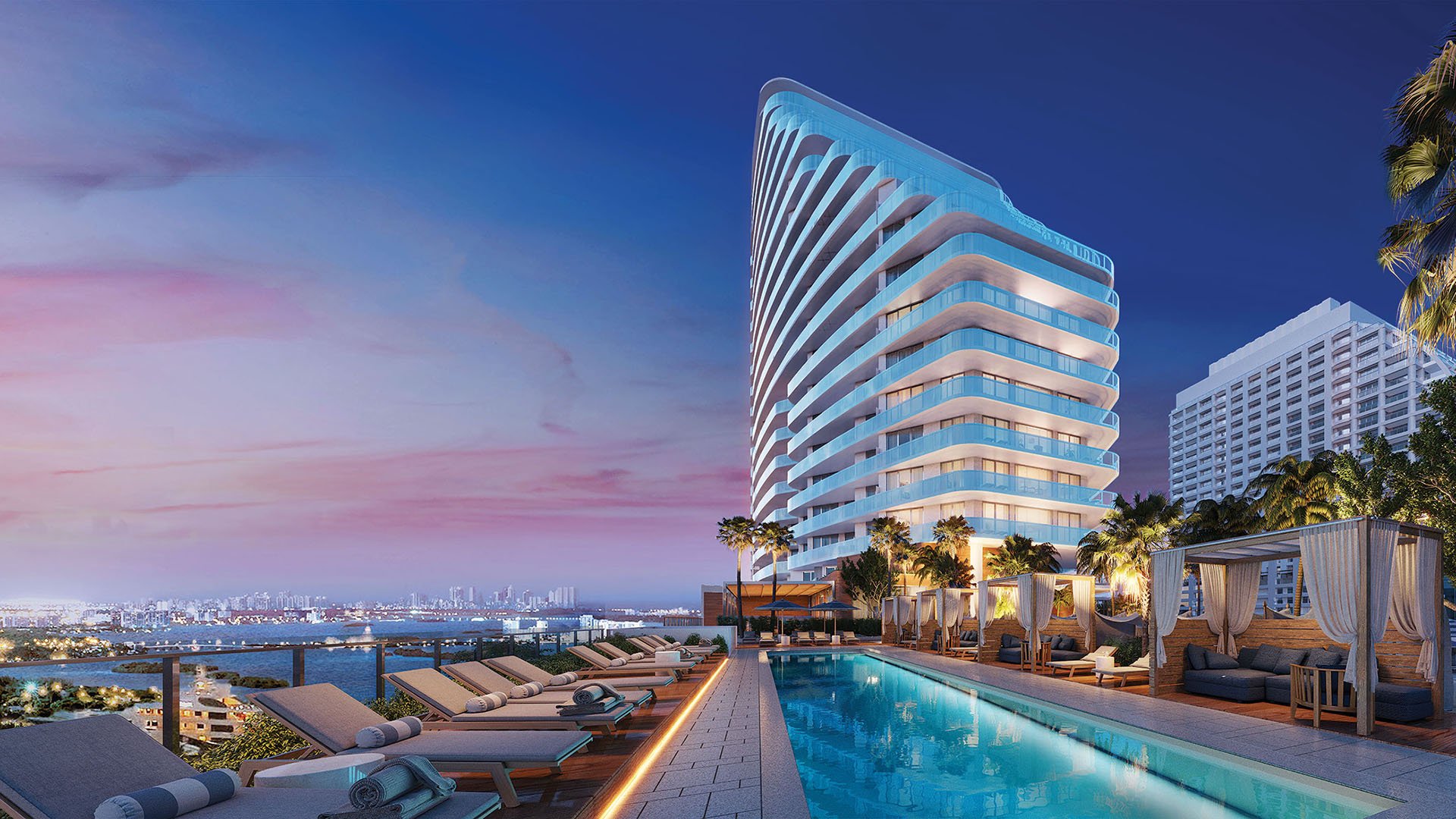
For 2026 buyers, “Las Olas versus Fort Lauderdale” is not a simple binary. Las Olas can mean the dining and shopping corridor, the Las Olas Isles waterfront, the Downtown edge near the river, or the route that carries daily life toward the beach. Fort Lauderdale, meanwhile, is a city of sharply different luxury patterns, from Harbor Beach and Rio Vista to Coral Ridge, Victoria Park, Flagler Village, Downtown, and Fort Lauderdale Beach.
That distinction matters because the right purchase is not merely the most impressive address. It is the address that supports how a buyer actually moves through the week. The Las Olas buyer often values spontaneity: an unplanned dinner, a short walk to a gallery, a cocktail after a performance, or a quick errand without scheduling the car. The broader Fort Lauderdale buyer may be optimizing for deeper privacy, easier boating logistics, larger residential calm, oceanfront proximity, or a quieter family routine.
The daily-rhythm test is more revealing than price alone. It asks how mornings begin, where the car sits, how often the boat is used, how frequently guests arrive, how much nightlife is welcome, and how storm-season resilience is handled.
Las Olas has a distinct morning advantage for buyers who prefer a dense, walkable pattern. Coffee, services, restaurants, and professional errands cluster close enough that a resident can often treat the neighborhood as an extension of the home. For some buyers, that is the point: the residence becomes a private retreat within a social, visible corridor.
Downtown and the riverfront add another layer. Cultural venues, office density, Flagler Village energy, and the central business district create a more urban rhythm than many South Florida waterfront enclaves. For buyers who dislike turning every regional appointment into a highway calculation, nearby rail access can be part of the lifestyle equation.
The broader Fort Lauderdale choice is more nuanced. A Harbor Beach or Rio Vista buyer may accept more driving in exchange for privacy, estate-style calm, and boating access. A Coral Ridge or Bayview buyer may prioritize residential quiet with access to daily services, schools, clubs, or north-south movement. A frequent flyer must weigh commercial airport convenience, while private aviation users may look differently at western and northern patterns.
In other words, the morning test is not “which area is better.” It is whether the buyer’s first instinct is to walk, drive, board a train, reach a commercial terminal, or access private aviation.
Fort Lauderdale’s marine identity is central to its luxury appeal. Waterfront life is shaped by canals, the Intracoastal, the New River, marina culture, and bridge timing. A buyer who owns or charters regularly should treat water access as a practical matter, not a lifestyle cliché.
Las Olas Isles can be compelling for buyers who want to live near the boulevard while preserving a waterfront routine. Yet the details are everything: dock configuration, turning comfort, bridge exposure, access to open water, guest parking, and how service crews reach the home. A boat-slip priority is very different from a water-view preference, and both differ from a buyer who mainly wants dinner on Las Olas after work.
Greater Fort Lauderdale offers several alternatives. Harbor Beach may appeal to those who want more privacy and a strong boating orientation. Fort Lauderdale Beach suits buyers who want the coastal rhythm closer at hand. Marina adjacency matters for some owners, while others prefer the simplicity of a lock-and-leave residence with access to marine services rather than direct vessel responsibility.
For the right buyer, water-linked movement is part pleasure, part logistics, and part identity.
Las Olas is strongest when evening life is part of the purchase rationale. Restaurants, bars, galleries, shops, and service businesses concentrate along the boulevard, while the nearby riverfront and Downtown cultural venues add depth. The result is a more urban evening routine than many quieter South Florida enclaves provide.
That rhythm is not for everyone. Some luxury buyers want the option of a restaurant district without living inside its pulse. Victoria Park can provide a residential buffer near the action. Rio Vista can feel established and quieter while remaining close to core amenities. Coral Ridge and Bayview may better serve buyers who want larger routines built around privacy, clubs, schools, boating, and home-based entertaining.
Pool time, a private terrace, and a quiet dinner at home may matter more than walkable nightlife. For these buyers, the Fort Lauderdale question becomes highly specific: which neighborhood offers the right degree of separation while preserving access to the city’s best assets?
A beautiful address can underperform if the daily friction is wrong. Bridge timing, seasonal traffic, special events, port-adjacent movement, beach access patterns, and airport runs can all change how a property feels after closing. These variables are especially important for buyers who divide time between South Florida and another primary market.
Broward planning also requires tax and insurance discipline. Buyers should model property taxes with qualified advisors rather than relying on listing estimates, especially when comparing different municipalities, property types, and ownership structures.
Flood exposure deserves equal seriousness. Waterfront and low-lying properties should be reviewed carefully for site conditions, insurance assumptions, storm preparation, and long-term ownership comfort. This is not a reason to avoid Fort Lauderdale. It is a reason to buy with sophistication.
The best choice emerges through a day-in-the-life exercise. Spend a weekday morning, a Friday evening, and a seasonal weekend in each candidate micro-area. Time the airport run. Walk to dinner. Test the drive after rain. Consider where guests park, where service providers enter, how pets move through the routine, and whether the home feels restful after the city has been enjoyed.
Las Olas is ideal for buyers who want walkable access, social immediacy, and a polished urban-waterfront blend. Greater Fort Lauderdale is ideal for buyers who need the city to be customized, with different neighborhoods delivering privacy, boating, beach, family, or aviation priorities. The winner is the one that makes ordinary days feel effortless.
Is Las Olas a neighborhood or a lifestyle corridor? It can be both. Buyers should clarify whether they mean the boulevard, Las Olas Isles, the Downtown edge, or the beachward connection.
Who is the best fit for Las Olas? Las Olas suits buyers who want restaurants, bars, galleries, services, and waterfront activity close enough for a spontaneous routine.
Is greater Fort Lauderdale quieter than Las Olas? It depends on the micro-location. Harbor Beach, Rio Vista, Coral Ridge, Bayview, Victoria Park, and the beach each create different levels of privacy and energy.
Should boat owners automatically choose a waterfront home? Not always. Dock needs, bridge exposure, marina access, crew logistics, and maintenance preferences should guide the choice.
Does Downtown Fort Lauderdale work for regional commuters? Downtown can be compelling for buyers who want an urban base with alternatives to driving for some regional movement.
How important is airport access for luxury buyers? It can be very important for frequent travelers. Buyers should separately test commercial airport access and private aviation convenience.
Is Fort Lauderdale Beach the same lifestyle as Las Olas? No. Fort Lauderdale Beach prioritizes coastal access and beach rhythm, while Las Olas emphasizes walkable dining, retail, culture, and urban-waterfront activity.
What due diligence matters most for waterfront purchases? Flood exposure, insurance assumptions, dock suitability, bridge routes, storm preparation, and long-term property-tax modeling all deserve careful review.
How should relocating buyers compare tax considerations? They should use buyer-specific guidance rather than relying on assumptions. Property taxes, ownership structure, and long-term planning can vary by situation.
What is the best way to shortlist comparable options for touring? Start with location fit, delivery status, and daily lifestyle priorities, then compare stacks and elevations to validate views and privacy.
For a tailored shortlist and next-step guidance, connect with MILLION.
If branded residences are on your mind — as a home or as an allocation — we would be glad to share what we are seeing, privately.
Begin a quiet conversation