For buyers with multiple pets, the best South Florida residence is not automatically the one with the largest amenity deck. The stronger choice is the home that reduces daily friction through calmer circulation, private outdoor space, practical elevator access, and rules that align with the household’s animals.

For South Florida buyers with multiple pets, the decision is rarely as simple as choosing the tower with the largest amenity deck. A generous outdoor level can be compelling, especially when it promises green space, open air, shaded seating, and a resort-like sense of ease. Yet the true test is not how impressive the amenity appears on a tour. It is how gracefully the residence performs at 7 a.m., after dinner, during rain, before travel, and when two animals need different things at once.
The strongest purchase is usually the one that reduces friction. That may mean a large amenity deck in a full-service tower. It may also mean a lower-density building where elevator waits are shorter, corridors are calmer, and arrivals feel more residential than theatrical. For a household with one small dog, the amenity deck may be enough. For buyers with two dogs, a cat, or a combination of animals with different temperaments, the calculus becomes more nuanced.
A useful search brief should treat Pets, Dog-park, Terrace, Balcony, Boutique, and Coconut-grove as lifestyle signals, not decorative keywords. They point to the same question: will the building support the household’s daily rhythm without turning pet care into a negotiation?
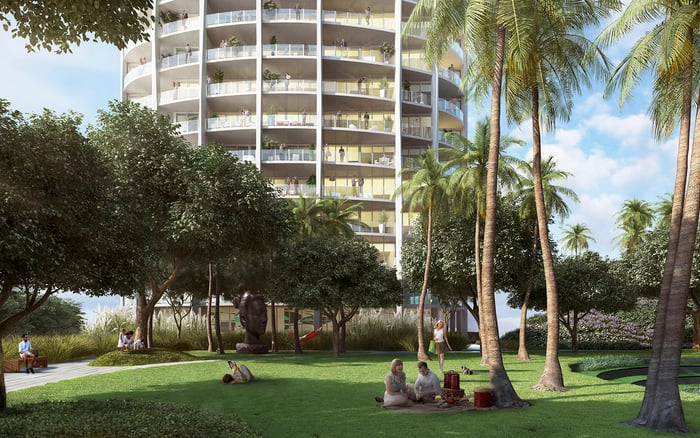
A large amenity deck can be highly valuable when it creates a convenient, controlled extension of the home. For owners who travel frequently, entertain often, or prefer not to leave the building for every outing, shared outdoor space can make the residence feel more complete. It also gives pets a predictable destination within the property, which can be useful for households that value routine.
In urban areas, this becomes especially relevant. A Brickell buyer comparing homes around 2200 Brickell may be focused not only on views and design, but on how quickly the household can move from residence to outdoor space. The amenity deck can be part of that answer when it is easy to access, thoughtfully maintained, and not overly congested.
The limitation is that shared space is still shared. Multiple pets magnify every pinch point: elevator rides, lobby crossings, leash logistics, and interactions with other residents’ animals. A large deck that photographs beautifully can feel less practical if access is indirect, rules are restrictive, or peak-use periods make the space feel busy.
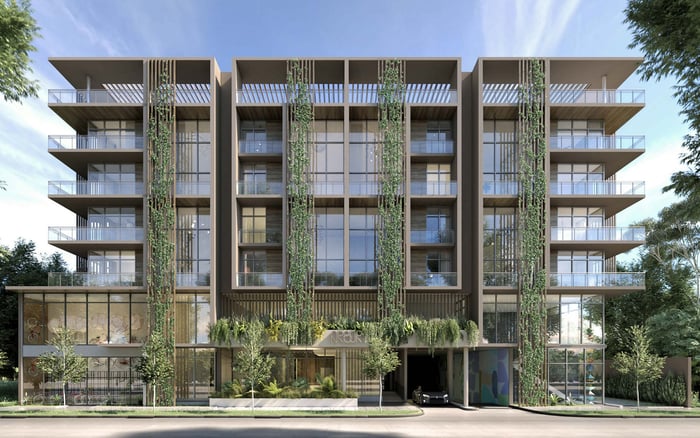
Lower-density living offers a different kind of value: fewer encounters, calmer circulation, and a more private residential cadence. For some pet owners, that quiet is more important than acreage in the sky. A smaller building does not need to compete through scale if it gives residents a smoother path from front door to outside world.
This is where boutique environments become compelling. Buyers considering Bay Harbor Islands, Surfside, Coconut Grove, or similar settings often prize a more measured pace. A building such as The Well Bay Harbor Islands may enter the conversation for buyers weighing a more intimate neighborhood feel against the energy of larger urban towers.
The same logic applies in Coconut Grove, where the residential texture can appeal to owners who want greenery, walkability, and a softer transition between private life and neighborhood life. A buyer looking at Four Seasons Residences Coconut Grove may be evaluating not only brand and architecture, but the daily experience of living with animals in a setting that feels less compressed.
For multiple pets, private outdoor space can be as important as any shared amenity. A deep terrace, usable balcony, or garden-like outdoor room gives the owner flexibility. It is not a substitute for proper walks, but it can soften the day. It provides a place for fresh air, a pause between outings, or a calm setting when one pet needs separation from another.
The distinction between a decorative balcony and a truly usable terrace matters. Buyers should evaluate depth, shade, exposure, railing design, privacy from neighboring units, and whether the outdoor area will actually be comfortable in South Florida conditions. A space that works beautifully at sunset may be less useful at midday if it is too exposed.
In Fort Lauderdale, waterfront and near-waterfront living can add another layer to the decision. A residence such as Riva Residenze Fort Lauderdale may appeal to buyers who want a refined residential setting while still thinking carefully about circulation, access, and private outdoor usability. The point is not that one project solves every pet question. It is that the best buildings allow the household to choreograph daily life with fewer compromises.
Pet-friendly language is not enough. Buyers with multiple animals should review the actual rules before becoming emotionally attached to a residence. Weight limits, breed restrictions, number-of-pet limits, elevator policies, registration requirements, cleaning protocols, and move-in procedures can all affect the experience.
The most elegant building in the world may be a poor fit if the rules do not match the household. Conversely, a quieter building with straightforward policies can feel far more luxurious because it removes uncertainty. For ultra-premium buyers, discretion is part of value. No one wants daily pet logistics to become visible, contested, or inconvenient.
This is especially important for owners with older dogs, puppies, rescue animals, or pets that react strongly to other animals. The right home is not merely permissive. It is operationally compatible.
The building is only half the decision. The surrounding neighborhood determines whether pet care feels graceful or forced. Buyers should consider sidewalks, shade, nearby green space, traffic patterns, valet flow, garage access, and the ease of short, frequent outings.
Miami Beach and Surfside buyers may weigh ocean proximity and residential calm differently from Brickell buyers, who may prioritize vertical convenience. In Surfside, for example, The Delmore Surfside may be part of a broader conversation about privacy, coastal living, and a quieter daily rhythm. The right answer depends on the owner’s habits, not on a universal hierarchy of amenities.
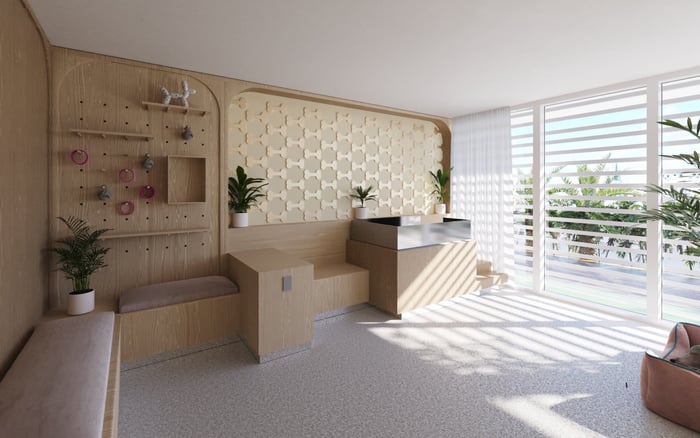
Multiple pets also change how buyers think about service. A building team that understands discreet arrivals, pet transport, vendors, grooming appointments, and household staff coordination can make a meaningful difference. Luxury is not only marble, wellness rooms, or water views. It is the absence of avoidable stress.
Start with the animals, not the architecture. How many pets are there? How large are they? Are they social or reactive? Do they need frequent outings? Can they share elevators calmly? Does the owner use walkers, trainers, groomers, or staff? Will the residence be occupied full time or seasonally?
If the pets are social, adaptable, and accustomed to building life, a large amenity deck may be a major advantage. If the pets are sensitive, older, or numerous, lower-density living may be the better form of luxury. If the owner travels often, service depth may outrank both. If the pets require frequent fresh air, private outdoor space becomes central.
The most resilient choice usually combines three elements: manageable density, useful private outdoor space, and building rules that clearly allow the intended lifestyle. A large amenity deck is a bonus when it supports that trio. It is not a substitute for it.
Is a large amenity deck always better for buyers with multiple pets? Not always. It is valuable only when access, rules, maintenance, and crowd levels support the household’s daily routine.
Why does lower-density living appeal to multi-pet owners? It can reduce elevator encounters, lobby congestion, and the stress of moving several animals through shared spaces.
Should private outdoor space be a priority? Yes, when it is truly usable. A well-planned terrace or balcony can add flexibility between walks and outings.
What pet rules should buyers review first? Number-of-pet limits, weight rules, breed restrictions, elevator policies, and registration requirements should be reviewed early.
Can a boutique building be better than a full-service tower? It can be, especially for owners who value privacy, quieter circulation, and fewer daily interactions.
Does neighborhood matter as much as the building? Yes. Shade, sidewalks, traffic, green space, and ease of quick outings all shape the pet-owning experience.
Are pet amenities enough to justify a purchase? They help, but they should not outweigh floor plan, access, rules, service culture, and private outdoor space.
What matters for older pets? Shorter routes, reliable elevator access, calm common areas, and comfortable outdoor pauses often matter most.
How should seasonal residents think about pets? They should focus on service coordination, travel routines, building access, and whether the residence works immediately upon arrival.
What is the best overall choice? The best choice is the residence that makes daily pet care feel quiet, predictable, and compatible with the owner’s lifestyle.
When you're ready to tour or underwrite the options, connect with MILLION.
If branded residences are on your mind — as a home or as an allocation — we would be glad to share what we are seeing, privately.
Begin a quiet conversation