A discreet, buyer-focused guide to evaluating whether a luxury South Florida residence can support comfort, dignity, and independence over time.
For a luxury buyer, aging-in-place design is not a compromise. It is a strategy for preserving privacy, ease, dignity, and control across the full arc of ownership. In South Florida, where many residences function as primary homes, seasonal retreats, and family gathering places, the smartest private showing is less about admiration than simulation.
A beautiful room can impress in seconds. A truly livable residence proves itself over time. During a private showing, the question is not simply whether the home feels elegant today. The question is whether it can remain elegant when routines shift, guests age, recovery is required, or daily movement becomes more deliberate.
The best evaluation is physical and specific. Walk the residence as you would live in it. Open doors. Turn corners. Carry a bag. Sit down. Stand up. Step onto the Balcony. Cross to the Terrace. Move from the bedroom to the bath without assuming daylight, perfect balance, or perfect timing. This is not pessimism. It is sophisticated due diligence.
Aging-in-place begins before the front door. In a condominium, note the path from vehicle arrival to lobby, elevator, corridor, and private entry. In a single-family home, examine the driveway, garage, walkway, garden steps, and threshold. A glamorous arrival sequence can still be inconvenient if it depends on repeated level changes, narrow turns, or awkward door operation.
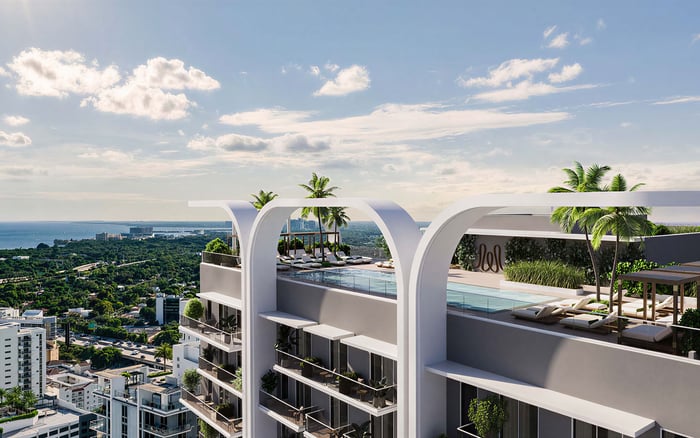
In neighborhoods such as Brickell, Downtown, Edgewater, and Aventura, vertical living often makes elevator access, lobby circulation, service routes, and the discreet handling of deliveries or care support especially important. Ask yourself whether a future guest, family member, or aide could move comfortably through the building without drawing attention or requiring improvisation.
At the residence entry, pause. Is there space to set down packages? Can two people pass without stepping aside? Is the door hardware easy to operate with one hand? Does the entry feel secure without becoming cumbersome? In luxury living, the threshold should communicate both welcome and control.
Do not glide through the plan as a spectator. Walk it as an owner. Move from the primary suite to the kitchen, from the living room to the powder room, from the elevator or garage entry to the bedroom. Notice whether each route is direct or interrupted by tight corners, raised transitions, or decorative obstacles.
Wide, calm circulation is one of the quiet luxuries of aging-in-place design. It accommodates luggage, pets, grandchildren, walkers after a procedure, and the ordinary choreography of two people moving at different speeds. If the showing includes furniture, observe whether the room works only because the pieces are small, sparse, or staged. If the residence is empty, visualize real furniture with generous clearances, not merely the footprint shown on a plan.
Pay special attention to doors. Pocket doors, swing directions, and corridor widths all matter. A door that photographs elegantly may be inconvenient if it blocks a vanity, collides with a closet, or narrows the most important path through the home.
The bathroom is often where long-term livability is won or lost. During a private showing, spend time in the primary bath without rushing. Step into the shower. Note the threshold, floor slope, glass door movement, and whether there is room for a bench or future support features if desired. Study the vanity height, under-counter space, mirror placement, lighting, and access to storage.
Luxury buyers often focus on stone, fixtures, and brand language. Those details matter, but they should never obscure use. Can toiletries be reached without deep bending? Is the water control accessible before standing under the shower? Is the floor surface likely to feel stable when wet? Is there a private area that can accommodate assistance without making the room feel clinical?
A powder room also deserves attention. Guests of different ages should be able to enter, close the door, turn, and use the space without difficulty. In refined entertaining homes, accessibility is part of hospitality.
Aging-in-place does not mean the owner stops cooking, hosting, or directing household life. The kitchen must support independence. At the showing, stand at the sink, refrigerator, cooktop, wall ovens, pantry, and main prep area. Notice whether the most important items are reachable without stretching, crouching, or crossing a busy traffic path.
Evaluate appliance placement carefully. An oven set too low or too high may become inconvenient. A refrigerator door may conflict with an island. A pantry may look generous but require deep bending. If the kitchen is open to the living area, consider whether seating allows someone to participate in conversation without standing for long periods.
In South Florida homes designed for entertaining, the secondary kitchen, bar, laundry room, or service corridor can be as important as the main kitchen. These spaces should reduce effort, not add complexity.
Vision, hearing, and temperature sensitivity can change over time, and a well-designed residence anticipates that gracefully. During a showing, look at natural light across different exposures and ask how the home feels at various times of day. Brightness is desirable, but glare can make daily tasks uncomfortable.
Test switches and controls. Are they intuitive? Are they placed where the body naturally reaches? Can lighting be layered so hallways, bathrooms, kitchens, and bedside areas feel safe at night without becoming harsh? Consider whether automation is genuinely helpful or overly dependent on complicated interfaces.
Acoustics also matter. In open plans, sound can travel. Stand in the bedroom while someone speaks in the living area if possible. Close doors. Listen for mechanical noise. Comfort is not only visual. It is sensory.
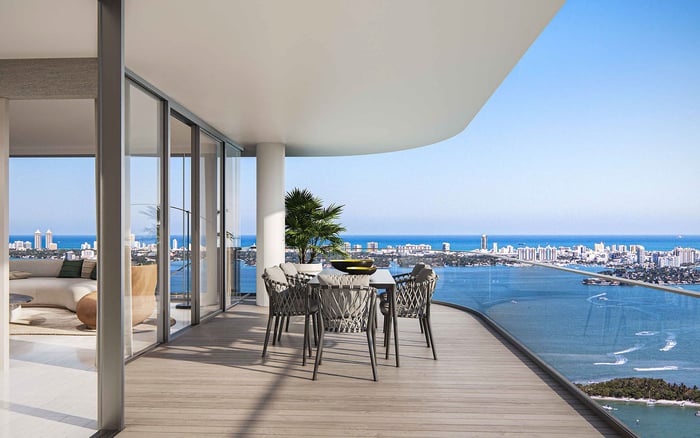
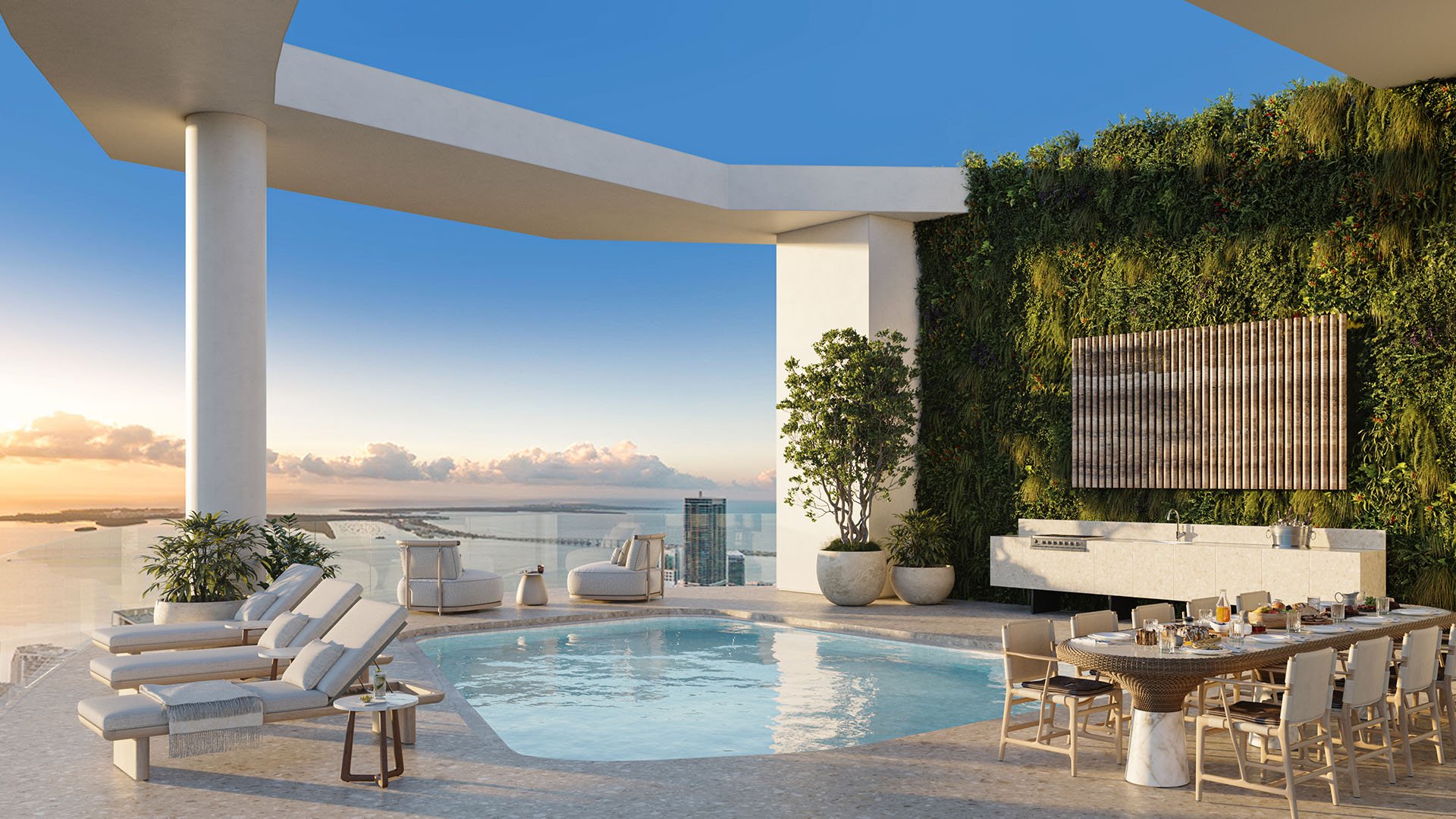
South Florida buyers often prize exterior space, yet outdoor access is frequently under-tested. A Balcony or Terrace should be evaluated as an extension of daily life, not as a postcard. Open the door yourself. Feel the threshold. Step outside. Turn around. Come back in.
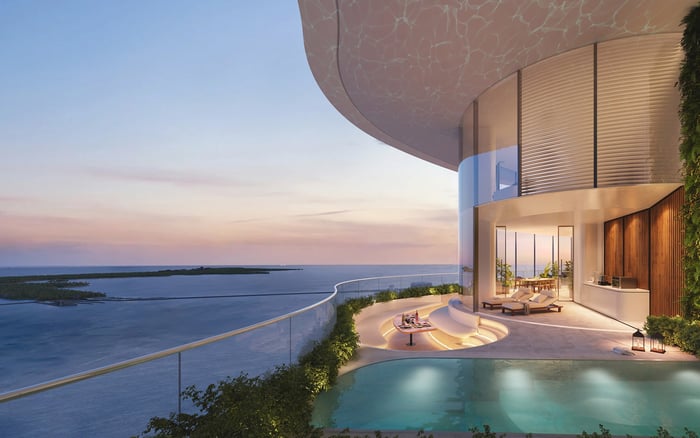
Ask whether the outdoor surface feels stable, whether drainage creates uneven areas, and whether furniture can be arranged without blocking movement. If the residence is in a Miami Beach setting or another coastal environment, consider how often the outdoor space will be used in sun, humidity, wind, or evening conditions. Outdoor living should remain pleasurable, not become a space that is admired but avoided.
Before leaving, ask direct, practical questions. What modifications are permitted by the building or association? Are there restrictions on flooring changes, bathroom adjustments, door hardware, smart-home systems, or service access? How are deliveries, medical visits, household staff, and maintenance handled discreetly?
For a single-family property, ask about possible future improvements such as entry adjustments, lighting upgrades, bath modifications, or bedroom flexibility. For a condominium, understand what belongs to the residence and what depends on building rules. The most luxurious answer is not always immediate perfection. Sometimes it is a home with the architectural grace and administrative flexibility to adapt.
Aging-in-place design is ultimately a form of wealth preservation. It protects not only resale logic, but also time, privacy, routine, and autonomy. The right residence should feel beautiful now and forgiving later.
What is the first thing to test during a private showing? Start with the arrival sequence, including parking, lobby or entry approach, elevator access, thresholds, and the path into the main living area.
Why are thresholds so important for aging-in-place design? Thresholds reveal whether movement will feel smooth or interrupted, especially when carrying items, recovering from an injury, or assisting a guest.
Should I bring anyone with me to evaluate accessibility? If possible, bring a trusted advisor, designer, or family member who can observe circulation and daily function without being distracted by finishes.
How should I assess a primary bathroom? Step into the shower, test door swings, study lighting, review storage reach, and imagine whether future support features could be added discreetly.
Does aging-in-place design reduce luxury? No. The best aging-in-place features are quiet, elegant, and integrated, enhancing comfort without making the home feel institutional.
What should I check in the kitchen? Test the distance between appliances, the reach to storage, the height of ovens, and whether daily prep can happen without awkward bending or crossing.
Are smart-home systems always helpful? They can be, but only if controls are intuitive, reliable, and easy to override manually when needed.
How do I evaluate outdoor spaces? Open the doors yourself, step onto the Balcony or Terrace, test the threshold, and consider shade, wind, flooring, and furniture clearance.
What questions should I ask about condominium rules? Ask which modifications are permitted, how service access works, and whether bathroom, flooring, lighting, or hardware changes require approval.
What is the best way to shortlist comparable options for touring? Start with location fit, delivery status, and daily lifestyle priorities, then compare stacks and elevations to validate views and privacy.
If you'd like a private walkthrough and a curated shortlist, connect with MILLION.
If branded residences are on your mind — as a home or as an allocation — we would be glad to share what we are seeing, privately.
Begin a quiet conversation