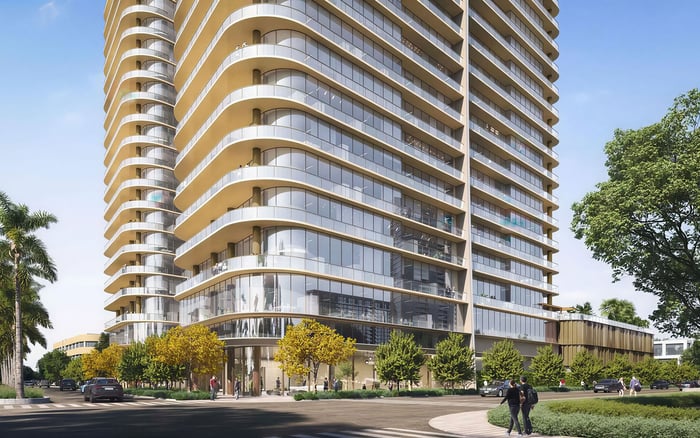
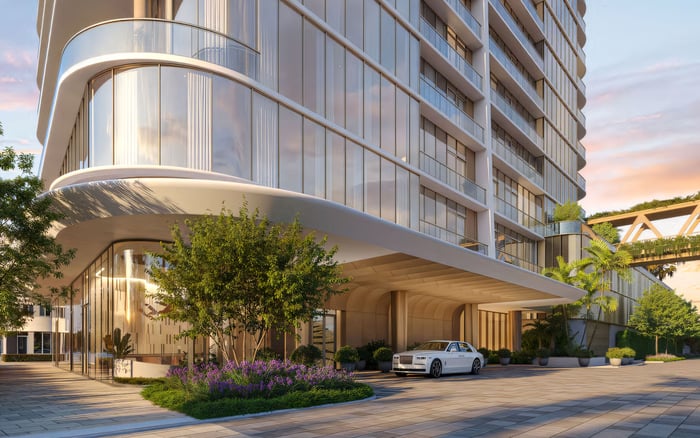
A buyer-focused look at Kempinski’s proposed Miami Design District residences, from concierge commitments and wellness amenities to recurring costs, brand continuity and contractual delivery protections.
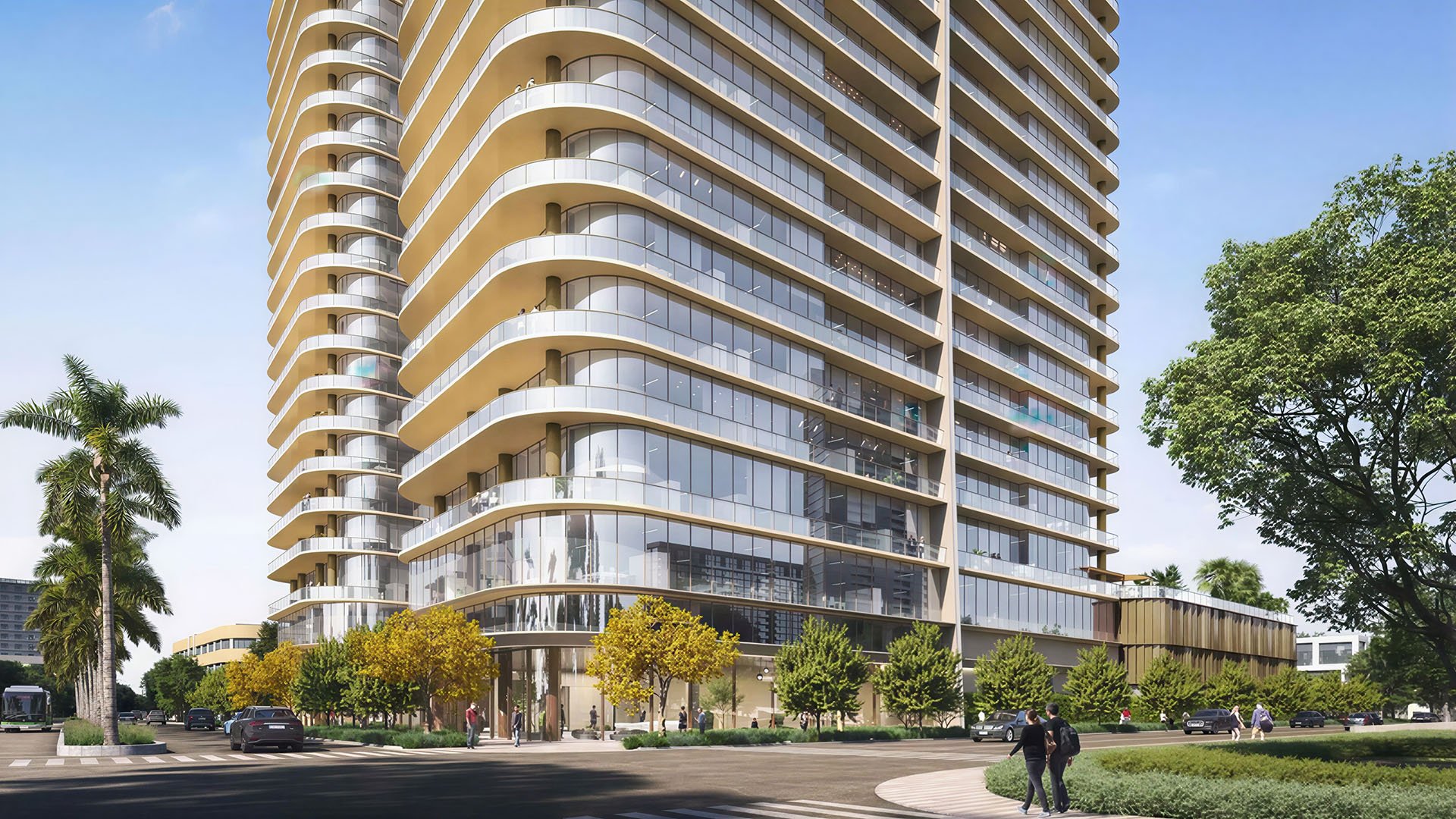
The appeal of Kempinski Residences Miami Design District rests on a proposition: private ownership supported by a hospitality-oriented residential team. The proposed development comprises two towers with 64 private homes each, plus six private townhomes. A planned amenities bridge would connect the towers, with approximately 70,000 square feet of indoor and outdoor amenities advertised across the development.
For buyers, the distinction is between an impressive proposed program and an enforceable ownership experience. A staffed lobby, wellness suite and concierge become meaningful when their availability, cost and operating responsibilities are clear. The purchase decision should turn as much on those details as on the residence itself.
The proposed service program includes a 24-hour concierge trained by Kempinski, a 24-hour attended lobby, dedicated residential staff and a residential hospitality team. Advertised services extend to lifestyle management, owner assistance, package and delivery management, and valet.
These descriptions establish a service ambition, not a complete operating agreement. Buyers should request written clarification of concierge response expectations, valet hours, guest access, package storage, emergency procedures and maintenance coordination. Twenty-four-hour concierge coverage does not confirm that every supporting service operates around the clock.
Responsibility matters as much as availability. Who authorizes a vendor to enter an unoccupied home? Who follows up when a repair remains unresolved? Is assistance limited to making arrangements, or does it include supervising the work? These questions translate hospitality language into practical ownership standards.
A buyer also considering Four Seasons Residences Coconut Grove should apply the same written-service checklist to both options rather than assume that different brands promise equivalent support.
The planned wellness offering includes a coed spa, private treatment rooms, cold plunge, infrared and dry saunas, steam facilities and a wellness café. A fitness center and yoga and Pilates movement studio complete the proposed exercise program.
Social and recreational concepts are similarly extensive: owner and library lounges, a game room, music room or studio, golf simulator, private dining room, maker space and screening or theater areas. Outdoor concepts include a padel court, games deck, outdoor theater, sports lawn, family spaces and dog park.
The practical questions concern operation. Ask which spaces require reservations, whether guests can accompany owners, whether instruction or treatments cost extra, and whether private events restrict general access. A private dining room, for example, does not establish that staffing, catering or event support is included.
The proposed arrangement places wellness primarily in the North Tower and entertainment primarily in the South Tower. Buyers should examine the route from their residence to the facilities they expect to use most. The bridge is part of that assessment, but its exact level should be confirmed in the governing plans because promotional descriptions differ.
The advertised pool program includes an 85-foot lap pool with a sun shelf and a separate beach-entry resort pool. That distinction may appeal to households balancing exercise with more relaxed recreation, but access rules and operating arrangements still warrant scrutiny.
Request the latest plans and identify which facilities are contractual deliverables. Proposed renderings, finishes, amenities, food services, resort services and specifications are subject to modification, revision or withdrawal by the developer.
This matters especially when a specific feature drives the purchase. If the lap pool, treatment rooms or connecting bridge is essential, counsel should determine what protection the agreement provides. A compelling rendering is no substitute for a defined obligation.
Some hotel-style services may carry additional charges. Buyers should distinguish among three categories: services included in condominium assessments, services available for an individual fee, and services arranged through outside providers.
Request projected assessments alongside the underlying staffing, insurance, maintenance and reserve assumptions. Then obtain a separate schedule for potential extras such as housekeeping, dining, transportation, spa treatments and event support. Their inclusion should never be inferred from an amenity description.
For a household that travels frequently, the relevant calculation is the expected cost of its own use. Occasional concierge assistance and regular housekeeping represent different patterns of demand. The objective is not simply a lower assessment, but a transparent relationship between recurring expense and the support the owner values.
Advertised starting pricing is approximately $3.76 million-an indication, not a confirmed quotation for a particular residence. A 40% pre-closing deposit structure is also advertised. Both require verification against the selected home's current pricing and signed payment schedule.
Delivery projections are inconsistent. Advertised timelines include planned groundbreaking in February 2027 and completion in 2029, while another projection places completion in the first quarter of 2030. These are projections, not evidence of achieved construction milestones or a contractual delivery promise.
Counsel should examine escrow protections, deposit milestones, cancellation rights, extension clauses, default remedies and the contractual outside delivery date. Buyers coordinating another sale, a relocation or a seasonal occupancy plan should distinguish the anticipated handover from the latest delivery permitted by the agreement.
For an owner who expects to be away, lock-and-leave convenience should be defined rather than assumed. Confirm whether support includes scheduled home checks, vendor access, storm preparation and post-storm inspections, and identify any separate agreements or charges.
The same discipline applies to branding and management. Request confirmation of the duration and termination provisions of Kempinski's arrangements, including what happens to staffing, service obligations and branding if those relationships end. Brand association and a permanent contractual service commitment are not interchangeable.
When comparing this proposal with St. Regis® Residences Brickell, apply those continuity questions consistently. The comparison should rest on documented obligations, not an assumption that hospitality names carry identical ownership terms.
Before committing, verify the exact address, actual frontage, sightlines and anticipated views for the selected home. Design District positioning should not substitute for checking flood zone, elevation, storm resilience, backup power and insurance availability. Confirm rental and resale restrictions against the intended holding strategy as well.
The strongest purchase case combines a desirable residence with clear service commitments, understandable costs and acceptable delivery protections. Here, the proposed hospitality program offers a substantial starting point. The decisive work is establishing which elements become dependable parts of ownership.
For a discreet assessment of how this proposal fits your South Florida property priorities, connect with MILLION.
If branded residences are on your mind — as a home or as an allocation — we would be glad to share what we are seeing, privately.
Begin a quiet conversationThe proposal includes two towers with 64 private homes each, plus six private townhomes. An amenities bridge is planned to connect the towers.
The proposed program includes a 24-hour concierge trained by Kempinski and a 24-hour attended lobby. Buyers should confirm the scope and hours of each supporting service separately.
Advertised services include lifestyle management, owner assistance, package and delivery management, and valet. Written operating commitments should clarify their practical scope.
Buyers should not assume so, because some services may carry additional charges. Request a schedule separating included services from individually billed offerings.
The proposed program includes a spa, treatment rooms, cold plunge, saunas, steam facilities and wellness café. A fitness center and yoga and Pilates movement studio are also planned.
The advertised program includes an 85-foot lap pool with a sun shelf and a separate beach-entry resort pool. Both remain proposed amenities.
Yes, proposed amenities, finishes, services and specifications are subject to modification, revision or withdrawal by the developer. Buyers should have counsel identify which features are contractual obligations.
Advertised projections differ between 2029 and the first quarter of 2030. Buyers should rely on counsel's review of the contractual delivery provisions rather than promotional timelines.
Indicative starting pricing is approximately $3.76 million, and a 40% pre-closing deposit structure is advertised. Neither replaces a unit-specific quotation or contractual payment schedule.
Confirm home checks, vendor access, storm preparation and post-storm inspections, including any separate charges. Also review rental restrictions and the duration and termination terms of branding and management arrangements.