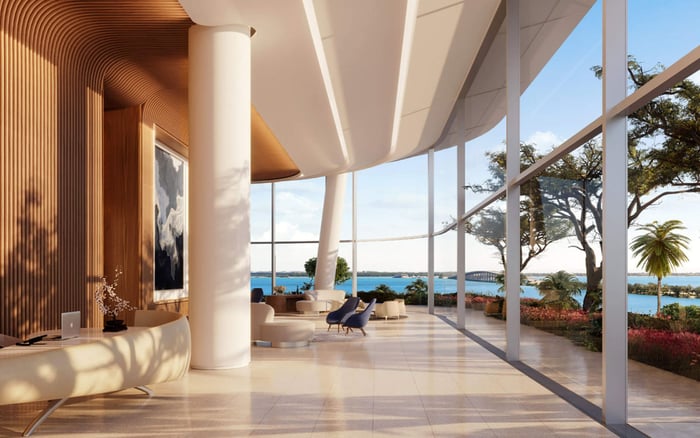
A discreet guide to reading advisor meeting rooms with the calm, practical eye of a luxury buyer, from seating and pacing to materials, risk, and decision discipline.
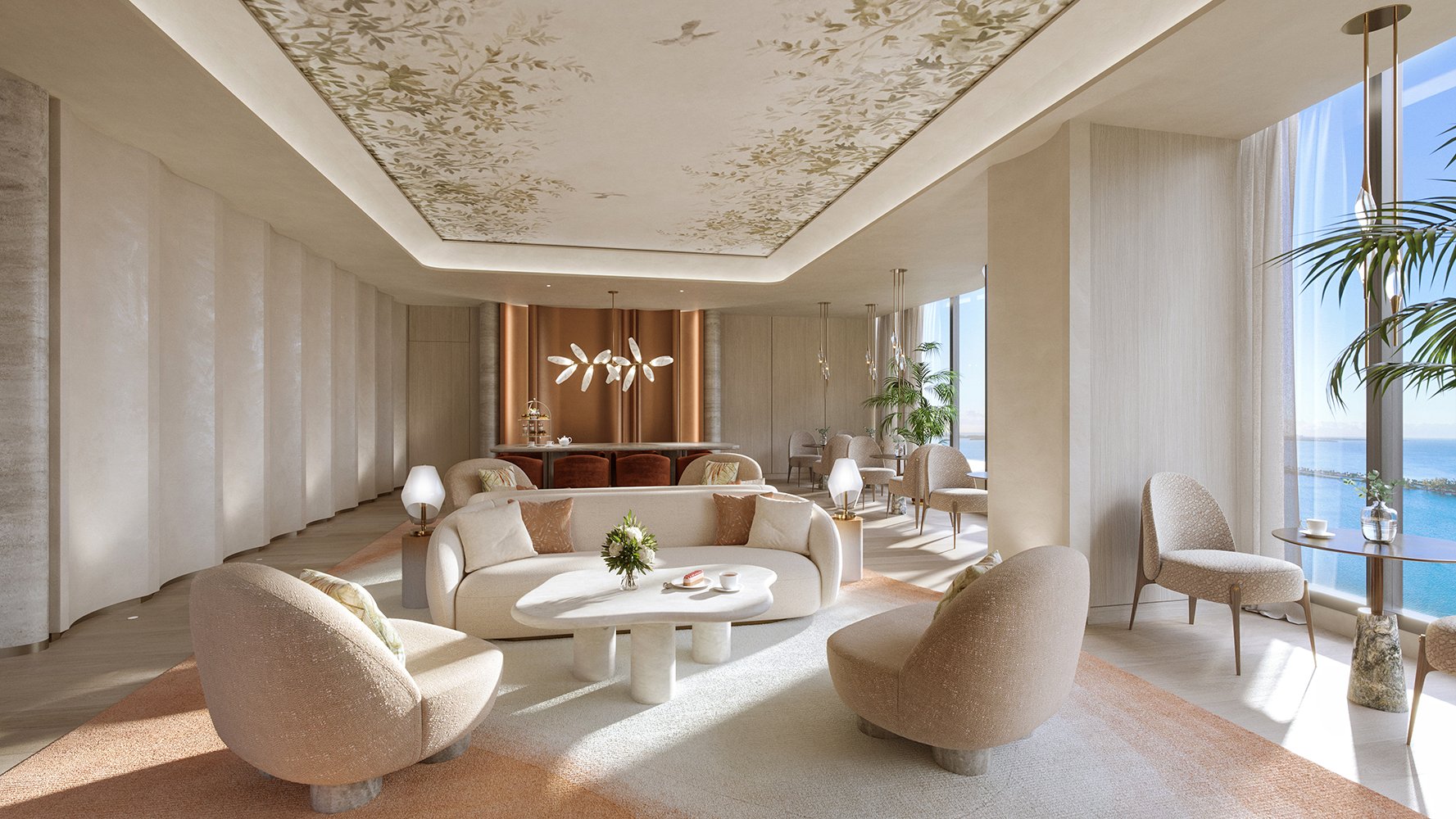
A serious luxury buyer does not enter an advisor meeting room as a spectator. The room is neither a lounge to admire nor a stage set to flatter the visitor. It is a working environment where priorities, pressure, discretion, and judgment begin to reveal themselves before a single residence is discussed.
The tourist reads the flowers, the view, the coffee, and the brand names on the table. The buyer reads the seating plan, the order of documents, the questions asked first, and the way silence is handled. In South Florida, where lifestyle, tax posture, privacy, school access, waterfront preferences, aviation, yachting, and generational planning may all sit inside the same purchase decision, the meeting room becomes an early diagnostic tool.
That discipline matters whether the conversation is in Brickell, Miami Beach, Sunny Isles, Palm Beach, or a quiet private office framing an investment in new construction. The room should help you think more clearly, not simply make you feel more important.
The first signal is choreography. Who greets you, who remains in the room, and who speaks first all matter. A polished advisory setting should not feel crowded with unnecessary personalities. If the room is filled with people whose roles are unclear, the meeting may be designed to create momentum rather than clarity.
Look for a deliberate sequence. A capable advisor begins by clarifying objectives: primary residence or seasonal use, holding period, privacy requirements, financing posture, family needs, and tolerance for construction or association complexity. The less serious room starts with inventory. The better room starts with you.
Also notice how quickly the conversation turns toward urgency. Scarcity can be real, but urgency should be explained, not performed. A luxury buyer should feel the tempo tighten only after the variables have been understood. If the meeting pushes commitment before context, the room is asking you to behave like a tourist.
A refined meeting room uses materials as instruments. Floor plans, stack diagrams, neighborhood context, fee summaries, comparable offerings, and ownership considerations should make tradeoffs visible. If the table is beautiful but the information is vague, the setting is decorative rather than advisory.
A strong room invites questions. It can move from lifestyle to structure without losing composure. It can discuss views and finishes, then shift into maintenance exposure, resale logic, parking, service flow, guest access, pets, staff needs, and delivery timing. The luxury buyer is not impressed by abundance alone. The luxury buyer wants organized judgment.
Pay attention to what is not on the table. If no one can explain why one residence fits your life better than another, the meeting remains in sales mode. If the advisor can explain what you should not buy, the room has begun to earn trust.
Pace is one of the most overlooked signs of quality. A tourist is carried by momentum. A buyer controls cadence. In a proper advisory room, no one should make you feel unsophisticated for asking a basic question, and no one should make you feel slow for refusing to decide on incomplete information.
The best advisors create a rhythm of compression and pause. They narrow the field, clarify the consequence of each choice, and then leave space for reflection. They understand that a high-value decision may involve a spouse, children, trustees, attorneys, lenders, family office professionals, or a trusted operator who will manage the residence.
The meeting should make complexity more legible. If you leave with more adjectives than answers, the room has failed you. If you leave with a shorter list of serious options, clearer risk boundaries, and a sharper understanding of what you are really buying, the meeting has served its purpose.
Discretion is not a mood. It is a practice. In an advisor meeting room, privacy reveals itself through small habits: how names are used, how documents are handled, how screens are positioned, how other clients are discussed, and whether sensitive questions are asked with care.
A buyer should be wary of casual name-dropping. If the room uses other clients as proof of relevance, imagine how easily your own activity could become part of someone else’s conversation. True access does not need to announce itself loudly. It is usually quieter, more specific, and more disciplined.
Privacy also applies to your motivations. A second-home purchase, relocation, waterfront consolidation, or estate-planning move can carry personal stakes. The advisor’s job is not to dramatize those stakes. It is to protect them, translate them into property criteria, and keep the search aligned with your larger life.
The right questions separate performance from counsel. Ask what would make a property wrong for you. Ask what must be verified before any offer or reservation. Ask where the most common buyer regrets tend to appear in this type of purchase. Ask how the residence might feel in daily use, not only during a private showing.
Then watch the room. Does it become defensive, or does it become more useful? Serious advisors welcome sharper questions because they improve the assignment. A room that depends on mood will resist scrutiny. A room built on knowledge will become calmer as the questions get better.
This is the luxury buyer’s advantage. You are not trying to win the room. You are trying to learn whether the room can protect your decision.
What should I notice first in an advisor meeting room? Notice whether the meeting begins with your objectives or with available inventory. A buyer-centered room starts by defining the assignment.
Is a beautiful meeting room a sign of a better advisory process? Not by itself. Beauty matters only when the information, discretion, and decision support are equally refined.
How can I tell if I am being rushed? You are being rushed when urgency appears before your criteria, risks, and alternatives are clearly understood. Pace should follow clarity.
What documents should feel organized in a serious discussion? Floor plans, ownership costs, timing, building context, and key tradeoffs should be easy to review. Disorder is a signal to slow down.
Should an advisor tell me what not to buy? Yes, when the reasoning is specific to your objectives. Thoughtful restraint is often a stronger signal than enthusiasm.
How should privacy show up during the meeting? Privacy shows up in careful language, secure handling of information, and the absence of casual references to other clients. Discretion should feel habitual.
What if the room feels impressive but vague? Treat that as a reason to ask sharper questions. Luxury presentation should never substitute for property-level understanding.
How do I compare two advisory experiences? Compare which room gave you clearer next steps, better risk framing, and fewer distractions. The better room makes the decision smaller and sharper.
Are lifestyle questions really necessary for a luxury purchase? Yes, because daily use determines whether a residence will feel effortless or merely impressive. Lifestyle is part of the asset logic.
What is the best way to shortlist comparable options for touring? Start with location fit, delivery status, and daily lifestyle priorities, then compare stacks and elevations to validate views and privacy.
For a tailored shortlist and next-step guidance, connect with MILLION.
If branded residences are on your mind — as a home or as an allocation — we would be glad to share what we are seeing, privately.
Begin a quiet conversation