A discreet buyer’s guide to evaluating Jade Signature Sunny Isles Beach and The Perigon Miami Beach through family routines, teen independence, hosting patterns, and the practical differences between established and new-development ownership models.
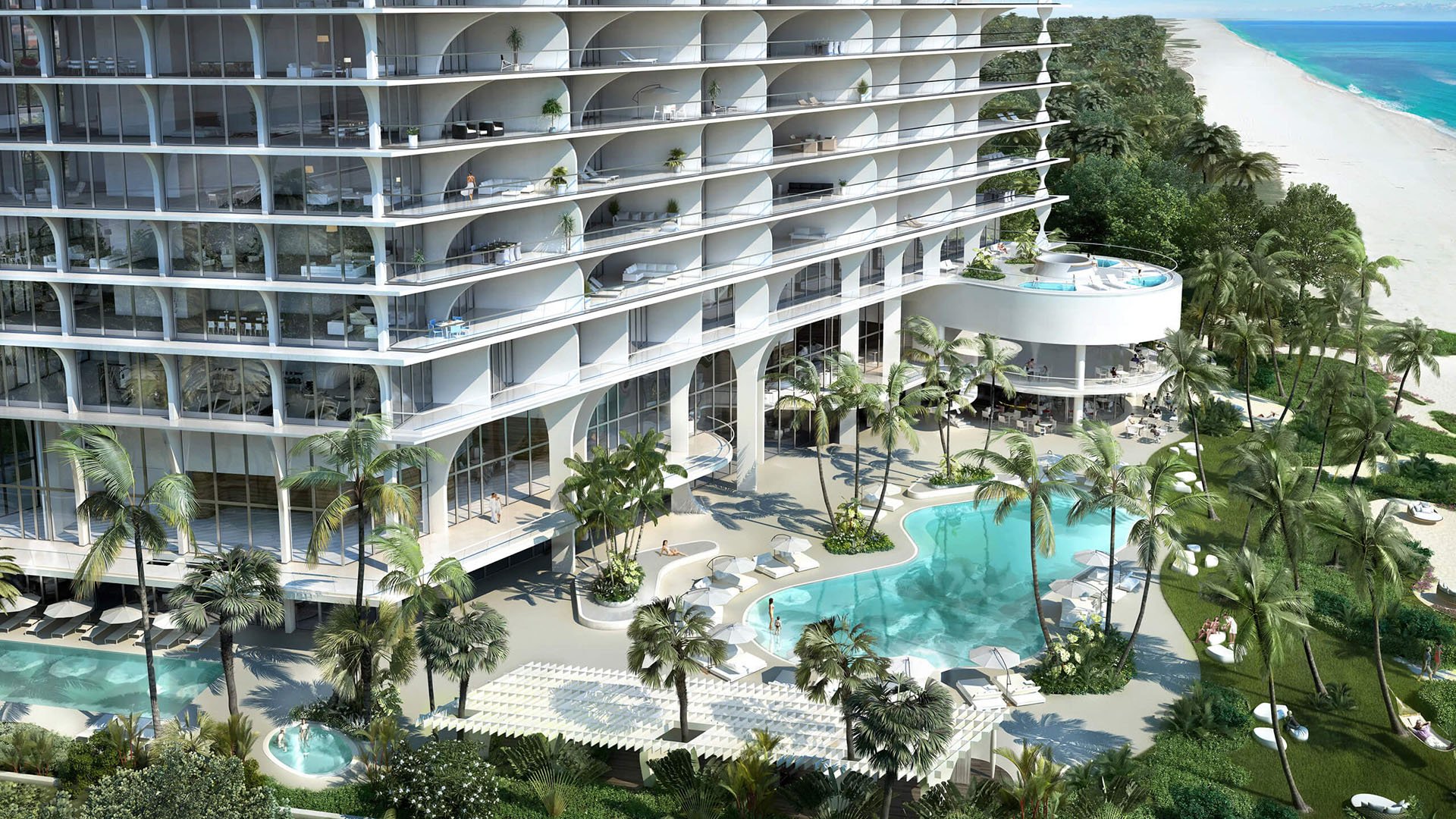
For luxury families, the decision between Jade Signature Sunny Isles Beach and The Perigon Miami Beach is not simply a comparison of two coastal addresses. It is a question of how ownership should function across school weeks, holidays, visiting relatives, older children, household staff, and guests who may arrive with little notice.
A residence can be beautiful and still fail the family test if its amenity logic does not match the way the household actually lives. Buyers studying Jade Signature Sunny Isles Beach and The Perigon Miami Beach should therefore look beyond brochure language and focus on operating rhythm. Which spaces will children use without constant coordination? Where can teenagers gather without taking over the primary living room? How easily can grandparents or extended family be accommodated without compromising the owner’s privacy?
This is the more refined meaning of “amenities” at the top of the market. It is not quantity. It is choreography.
The first ownership model is the established condominium environment. In this model, a buyer can often evaluate the lived reality of the building: the tone of common areas, how residents use amenity floors, the cadence of arrivals, and the practical feel of the lobby, elevators, pool deck, and beach routine. For families, that visibility can be valuable. It allows a buyer to ask precise questions about daily life rather than rely only on projections.
The second model is new-development ownership, where the buyer is underwriting a future lifestyle. Here, key documents, operating standards, amenity programming, reservation policies, and service structure become central. The appeal is the opportunity to enter a property at an early stage and align with a fresh residential vision. The tradeoff is that families must think more carefully about what is promised, what is controlled by association rules, and how amenity access will actually work once the building matures.
For a Sunny Isles buyer, the conversation often begins with beach routine and residential privacy. For a Miami Beach buyer, it may begin with cultural proximity, dining patterns, and the way the family wants to move between home, school, clubs, and guests. Both approaches can be compelling, but they solve different problems.
Affluent family buyers should not ask whether a building has family amenities. They should ask when those amenities are usable, who supervises them, how reservations work, and whether the spaces feel appropriate for children at different ages.
A family with young children may prioritize easy transitions from residence to pool, beach, and indoor lounge areas. A family with teenagers may care more about separation, late-afternoon independence, casual food access, and places where friends can gather without turning the owner’s residence into the default clubhouse. In either case, the value lies in reducing friction.
That is why nearby comparisons can be useful. A buyer looking at 57 Ocean Miami Beach, for example, may be thinking about the Miami Beach lifestyle through a different architectural and residential lens, while still asking the same fundamental question: does the building support the family’s real week?
The most successful amenity package is the one that disappears into routine. Children know where to go. Parents understand the sightlines and rules. Guests are not confused. Staff can coordinate arrivals, deliveries, and transitions without turning every day into an event.
Teen-focused planning is one of the most under-discussed parts of luxury condominium ownership. Younger children need proximity. Teenagers need autonomy. Parents need both comfort and control.
A teen space does not have to be labeled as such to matter. It may be a lounge, media room, game area, café-adjacent seating zone, outdoor terrace, or flexible common area that allows older children to spend time with friends without occupying the primary residence. What matters is how the space is governed. Are guests permitted? Are hours appropriate? Is there enough separation from adult entertaining spaces? Can parents feel comfortable with the access pattern?
In Sunny Isles, buyers may also compare the broader oceanfront field, including properties such as St. Regis® Residences Sunny Isles, to understand how branded and non-branded residential environments frame service, privacy, and family use. The right answer is rarely universal. It depends on whether the residence is a primary home, a seasonal base, or a second home used intensely during holidays.
Guest-suite access should be evaluated as part of a larger hosting strategy. The question is not only whether guest accommodations exist. It is how access is prioritized, how often it can be used, whether reservations are competitive during peak periods, and whether the arrangement suits the family’s social life.
Some buyers prefer to solve guest capacity inside the residence itself through additional bedrooms, dens, or flexible rooms. Others prefer a building or hospitality-adjacent solution, provided the rules are clear and dependable. For multigenerational families, the ability to host without surrendering the private family floor plan can be a decisive advantage.
This is especially important in Miami Beach, where visiting patterns may be intense during winter, holidays, school breaks, and major cultural weeks. A buyer also studying The Ritz-Carlton Residences® Miami Beach may be weighing how service culture and residential privacy interact, not merely comparing finishes.
Guest access should be stress-tested before contract. Ask how many visitors typically arrive at once, how long they stay, whether they need their own parking or arrival sequence, and whether teenagers will host friends separately from adult guests. The answers will reveal whether a residence is generous in theory or truly functional.
The best comparison between Jade Signature Sunny Isles Beach and The Perigon Miami Beach begins with household behavior, not adjectives. Map the family’s actual calendar: school-year weekdays, summer occupancy, visiting grandparents, holiday entertaining, friend groups, staff routines, and quiet periods when the residence should feel serene.
Then ask how each ownership model supports that calendar. Established ownership may offer greater ability to observe the present culture of the building. New-construction ownership may offer the appeal of a new residential vision and the chance to align with future operations. Neither is inherently superior. The right choice is the one that matches the family’s tolerance for certainty, timing, governance, and lifestyle design.
For discerning buyers, the most valuable amenity is not the longest list of spaces. It is a building where children, teenagers, relatives, and guests can move through the property naturally while the owner’s privacy remains intact.
What is the main ownership difference to consider? Buyers should compare the visibility of an established condominium environment with the forward-looking nature of a new-development purchase.
Why do family amenities matter so much in this comparison? Family amenities shape daily ease, especially when children, guests, and staff all use the property in different ways.
How should buyers evaluate teen spaces? Focus on autonomy, supervision, access rules, hours, guest policies, and whether the space feels naturally separate from adult areas.
Is guest-suite access the same as having extra bedrooms? No. Extra bedrooms are controlled inside the residence, while guest-suite access may depend on building rules, reservations, and availability.
Should families prioritize Sunny Isles or Miami Beach? The decision should follow the household’s daily movement, school rhythm, beach routine, dining preferences, and hosting patterns.
Is oceanfront living always better for families? Oceanfront living can be highly convenient, but the better question is whether the building’s access, rules, and common spaces fit the family.
What should a second-home buyer ask first? Ask how the property performs during peak holiday use, when guests, relatives, and teenagers may all be present at once.
How important are association rules? They are essential because they determine how amenities, guests, reservations, and shared spaces can actually be used.
Can new-construction ownership work for families with teenagers? Yes, if the planned amenity program, access structure, and governance are clear enough to support teen independence and parent comfort.
What is the most practical way to compare these two buildings? Build a family calendar, then test each residence against school weeks, weekends, holidays, guests, and privacy needs.
To compare the best-fit options with clarity, connect with MILLION.
If branded residences are on your mind — as a home or as an allocation — we would be glad to share what we are seeing, privately.
Begin a quiet conversation