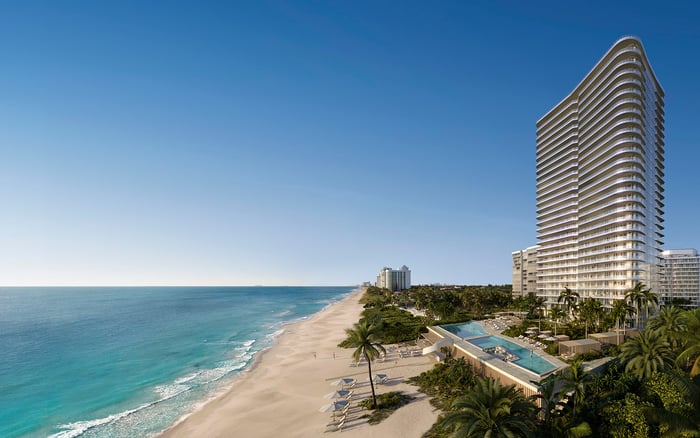
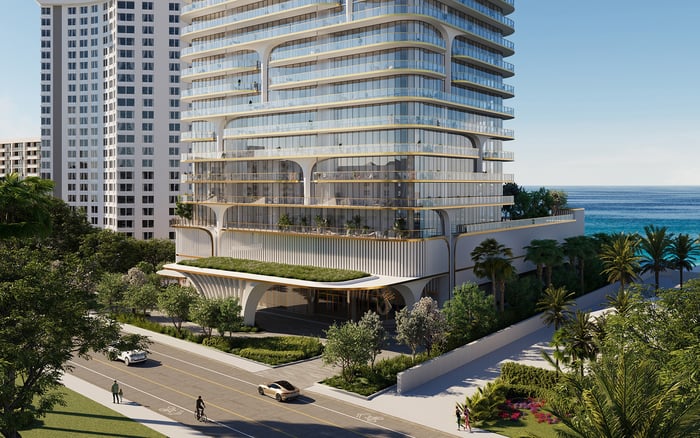
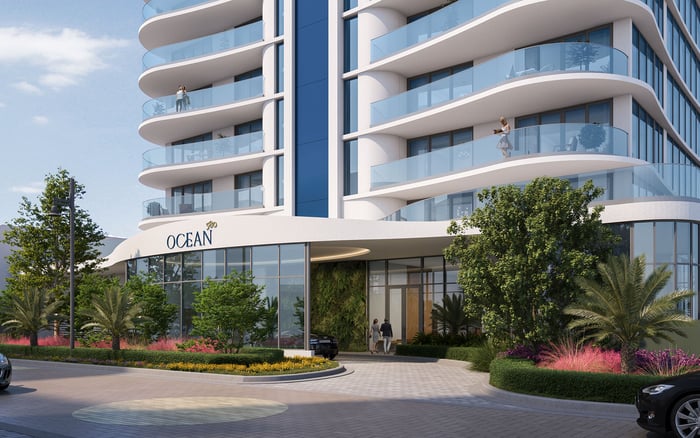
Three branded oceanfront propositions invite one disciplined comparison: what service is included, how privacy is protected, and what ownership truly costs.
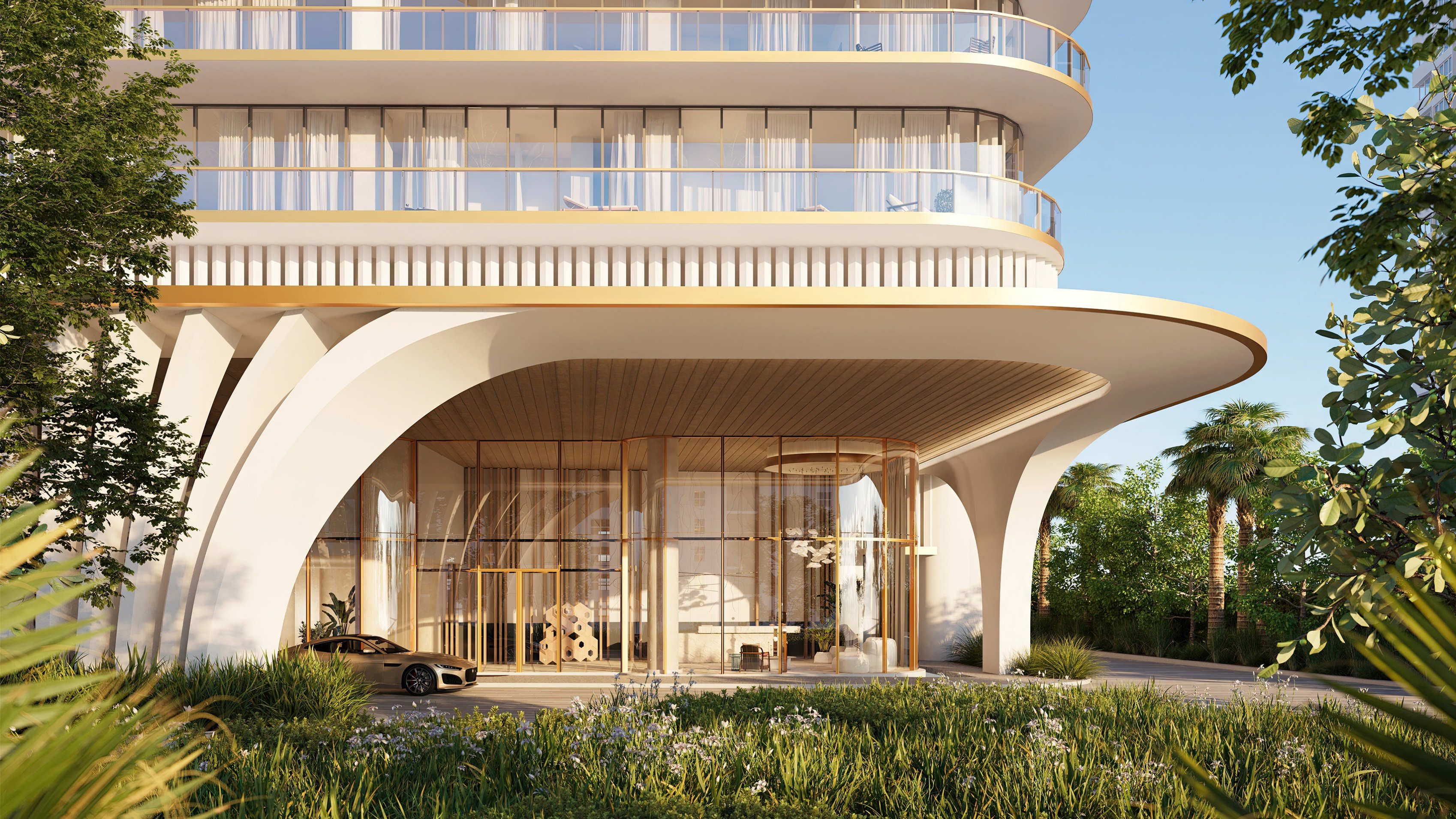
Pompano Beach is entering a more design-conscious chapter of oceanfront living. Three branded residences bring distinct identities to that evolution, yet their buyers face the same practical questions: What does the service promise include? How is residential privacy protected? What will the home cost to operate beyond the purchase price?
The answers should not be inferred from a celebrated name or an evocative sales presentation. They lie in the physical plan, operating structure, association budget, management agreement, brand-license terms, shared-facility agreements, and termination provisions. For a buyer comparing Armani Casa Residences Pompano Beach, W, and Waldorf Astoria, disciplined document review bridges lifestyle aspiration and informed ownership.
“Hotel-style service” is not a single benefit. Buyers should divide it into three categories: services included in standard ownership charges, services available for an additional fee, and brand-related privileges that could change if the operator or affiliation changes. The distinction matters because an extensive service menu does not mean every offering is covered by monthly dues.
At Armani Casa, the proposition is rooted in design-centric Italian modernism rather than a conventional hotel-lifestyle identity. The ownership question is therefore unusually nuanced. Buyers should separate the tangible value of design, execution, and brand affiliation from the premium attached to the name, while confirming which hospitality-style functions are included and which are billed separately.
The W proposition is different. W Pompano Beach Hotel & Residences explicitly combines hotel and residential uses, framed around high-energy lifestyle hospitality. That may appeal to owners who value an active social setting, but it also makes operational boundaries central to the purchase decision.
At Waldorf Astoria Residences Pompano Beach, the appeal is tied to an ultra-luxury hospitality heritage. Buyers should verify which brand-standard services are contractually guaranteed, who provides them, how they are funded, and what happens if the management or branding relationship changes.
Privacy is not an abstract amenity. It is designed through entrances, elevators, parking routes, delivery access, security staffing, guest policies, pool controls, restaurant access, and the separation of resident-only spaces. A beautifully appointed lobby reveals little if the daily circulation plan remains unclear.
This issue is particularly important at W. Buyers should establish whether residents and hotel guests share entrances, elevators, pools, restaurants, parking, or other amenities. They should also consider whether short-term guest turnover or hotel operations could affect noise, availability, security protocols, and recurring costs.
Waldorf Astoria buyers should likewise ask whether residential privacy depends on dedicated circulation and restricted access. At Armani Casa, the quieter, design-led positioning still requires the same scrutiny. Brand character may shape the atmosphere, but access control and operating rules determine the lived experience.
A useful test is to map an ordinary day: arrival by car, a guest visit, a delivery, pool access, dinner, and the return home after an event. Each movement should reveal who shares the route, who controls access, and whether resident priority is documented rather than assumed.
Monthly association dues are only the beginning. A complete cost model may include property taxes, insurance, reserves, assessments, utilities, parking, housekeeping, rental-management charges, and financing costs. Regardless of brand, coastal ownership also carries storm exposure, insurance volatility, changing building requirements, and beach conditions.
For Waldorf Astoria, the review should account for recurring service, staffing, amenity, insurance, reserve, and brand-related expenses. At W, buyers should determine whether shared hotel operations affect allocations and whether heavy guest use influences staffing, maintenance, or amenity costs. At Armani Casa, the analysis should identify how much of the recurring expense supports substantive services and design standards versus the affiliation itself.
Rather than focus on a single dues figure, buyers can request a multiyear ownership projection with reasonable allowances for variable expenses. The draft declaration, proposed budget, reserve treatment, insurance allocation, management agreement, and any shared-facility formula should be read together. A low initial estimate matters less than a transparent structure that explains responsibility over time.
These projects are not interchangeable versions of luxury. Armani Casa may resonate with a buyer who places design language and a composed residential identity first. W may suit an owner who actively wants hospitality energy and social animation. Waldorf Astoria may appeal to someone who prioritizes a service culture associated with traditional ultra-luxury hospitality.
The strongest choice is the one whose operating reality aligns with personal habits. A second-home owner may value effortless, on-demand support but should clarify minimum charges and access while away. A full-time resident may place greater weight on quiet circulation, delivery protocols, resident-only amenities, and predictable staffing. An investment-minded buyer should separately examine rental rules and management charges without presuming that brand visibility guarantees flexibility.
The essential principle is simple: purchase the documented experience, not merely the imagined one. Service, privacy, and cost are interconnected. More staffing may improve convenience while raising recurring expenses; shared amenities may broaden the lifestyle while increasing traffic; a prestigious affiliation may strengthen identity while introducing brand-related obligations.
Ask for a written schedule of included and fee-based services. Identify every shared facility and the formula used to allocate its expenses. Confirm residential and hotel access points, elevator banks, parking paths, guest rules, delivery procedures, and security responsibilities. Review reserves, insurance assumptions, assessment authority, and the treatment of utilities and housekeeping.
Brand and management terms deserve equal attention. Buyers should understand contract duration, performance obligations, termination rights, replacement provisions, and the consequences of a brand or operator change. These details clarify whether the marketed experience is durable, optional, or dependent on agreements beyond an individual owner’s control.
What is the central comparison among the three projects? Buyers should compare included service, residential privacy, and the complete recurring cost of ownership.
How does Armani Casa differ in positioning? It emphasizes design-centric Italian modernism rather than a conventional hotel-lifestyle identity.
Why is operational separation especially important at W? W combines hotel and residential uses, so shared circulation and amenities may shape privacy, noise, availability, and cost.
What should Waldorf Astoria buyers verify about service? They should confirm which brand-standard services are contractually guaranteed and how those services are funded.
Which physical details reveal the level of privacy? Entrances, elevators, parking, delivery routes, amenity controls, security staffing, and guest policies are key.
Are monthly association dues the total ownership cost? No. Taxes, insurance, reserves, assessments, utilities, parking, housekeeping, management, and financing may also apply.
Which documents deserve close review? Review the draft declaration, association budget, management and brand agreements, shared-facility terms, and termination provisions.
How should buyers assess a brand premium? Separate tangible design, service, staffing, and operating benefits from the value attributed to the name alone.
Do coastal risks vary by brand? No. Storm exposure, insurance volatility, beach conditions, and evolving building requirements remain relevant across projects.
What is the best final decision test? Confirm that the documented operating model matches how you intend to live, visit, host, and carry the property.
For a confidential assessment and a building-by-building shortlist, connect with MILLION.
If branded residences are on your mind — as a home or as an allocation — we would be glad to share what we are seeing, privately.
Begin a quiet conversation