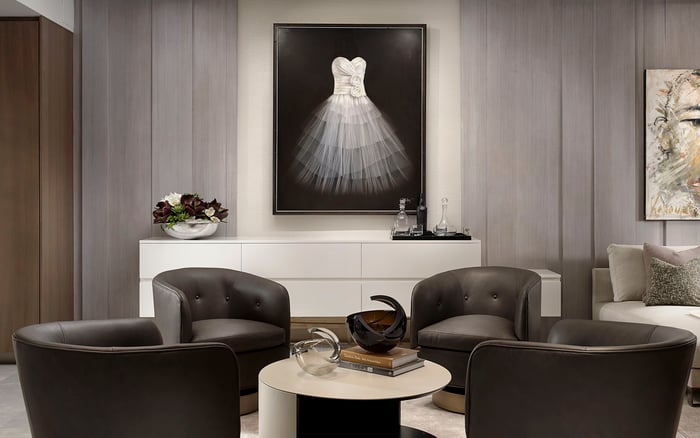
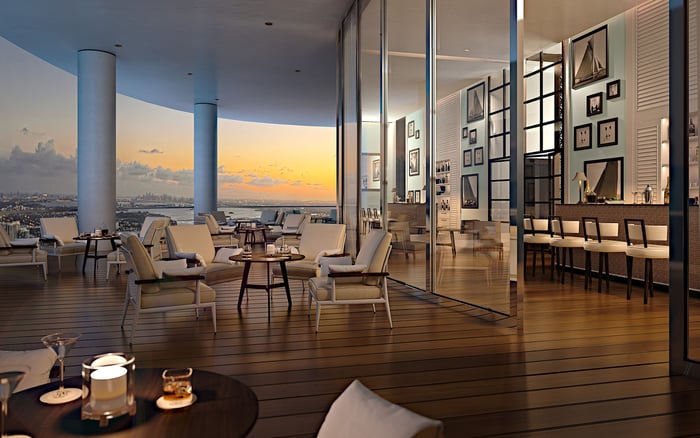
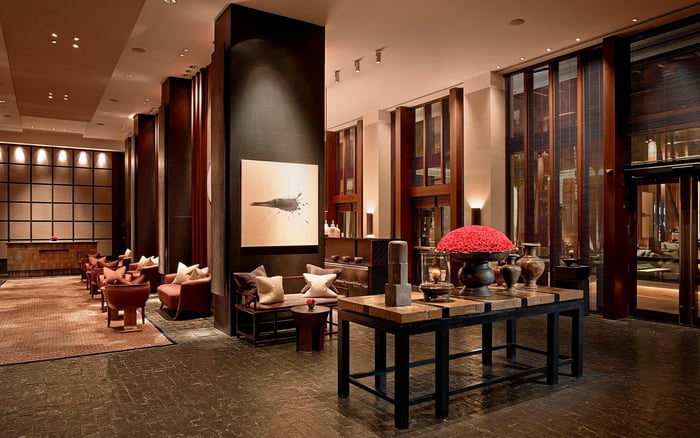
A design-focused look at how Casamar, Shore Club Private Collections Miami Beach, and The Ritz-Carlton Residences® Sunny Isles frame ownership through architecture, craft, service, and lifestyle coherence.
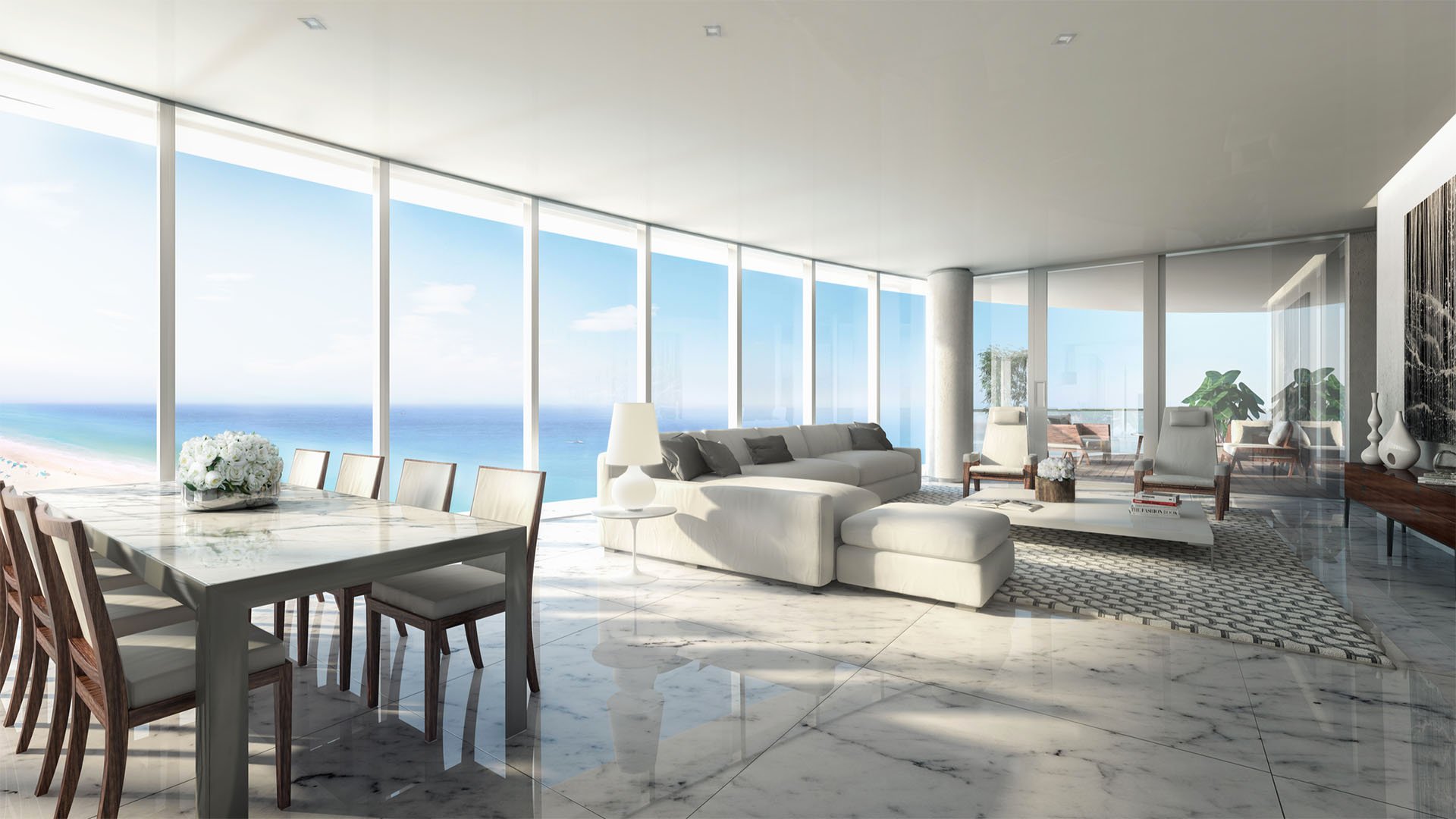
For South Florida’s most sophisticated residential buyers, design is no longer a decorative layer applied after the fundamentals are satisfied. It is part of the fundamentals. The most compelling residences now pose a more exacting question: do the architecture, interior language, service model, and daily experience hold together as one coherent expression of ownership?
That is why Casamar, Shore Club Private Collections Miami Beach, and The Ritz-Carlton Residences® Sunny Isles matter in the current buyer conversation. Each speaks to a distinct version of design-forward ownership. Together, they show how the market is moving beyond location, views, and square footage toward a more layered standard of value.
In this context, Design & Architecture is not simply a category. It is a filter. Buyers are evaluating whether a residence has a point of view, whether its materials and proportions feel intentional, and whether the building can preserve that intended experience over time.
A design-forward residence is not defined by visual impact alone. It is defined by continuity. The arrival sequence, lobby scale, private residential flow, amenity programming, service rhythm, and interior finish all need to feel part of the same idea. When those elements are aligned, ownership becomes more than access to an address. It becomes participation in a built environment with a recognizable identity.
This matters especially in South Florida, where waterfront land and skyline views are powerful but not rare at the top end of the market. The more discerning question is how a building interprets its setting. A Miami Beach oceanfront property can be about heritage and atmosphere. A Sunny Isles Beach tower can be about hospitality, service, and vertical resort living. A Pompano Beach residence can broaden the map for buyers who want a design-led coastal ownership conversation outside the most established luxury corridors.
For buyers, the practical takeaway is clear: design should be evaluated as an ownership system, not a showroom moment. The stronger the system, the more likely the residence is to feel refined not only on closing day, but years into ownership.
Shore Club Private Collections Miami Beach is the heritage-and-craft case study in this comparison. It is positioned as a design-forward reimagining of a historic Miami Beach oceanfront property, giving it a very different emotional register from a fully new lifestyle tower. Its value proposition is tied to restoration, reinterpretation, classical architecture, high-craft interiors, and spatial experience.
For buyers who are sensitive to architecture, that distinction matters. Heritage-led ownership is rarely about novelty. It is about atmosphere, proportion, materiality, and the feeling that a property carries memory without becoming static. In a market where many residences compete through scale and amenities, Shore Club’s appeal is more nuanced. It frames ownership around the character of a recognizable oceanfront property and the craft required to translate that character into private residential life.
That makes it especially relevant to buyers who do not want design to feel interchangeable. The strength of the Shore Club argument is that it places architecture and materials at the center of the ownership decision. For a buyer comparing Miami Beach options, the question becomes less about how many features a building can list and more about whether the residence has a soul that will remain legible over time.
The Ritz-Carlton Residences® Sunny Isles represents a different kind of design-forward ownership. Rather than heritage as the primary driver, its significance comes from a branded residential model in Sunny Isles Beach where architecture, interiors, service, and daily operations are aligned under a luxury hospitality framework.
This is why the project can be understood as a vertical resort ownership model. Design is not limited to finishes or façade. It extends into how residents arrive, how amenities are operated, how services are delivered, and how the intended lifestyle is maintained. For design-conscious buyers, that operational consistency can be central to the decision.
In a branded residence, the promise is not only that the spaces look considered, but that the experience of using them is curated. The residence, amenities, and service culture are meant to support one another. For buyers who split time between homes, host family and guests, or value effortless daily routines, that can be as important as the architecture itself.
Sunny Isles Beach has long appealed to buyers seeking oceanfront vertical living, but the branded-service layer adds another dimension. It suggests that design is not finished when construction ends. It is preserved through management, programming, and standards that shape the way the property feels every day.
Casamar matters because it brings Pompano Beach into a broader design-forward ownership conversation. For buyers looking beyond the traditional Miami Beach and Sunny Isles Beach axis, its presence in the discussion is significant. It reflects a widening of the luxury map and a growing willingness to evaluate coastal ownership through design intent rather than prestige geography alone.
That does not require treating every project in the same way. A buyer may view Shore Club through the lens of historic interpretation, The Ritz-Carlton Residences® Sunny Isles through the lens of branded service, and Casamar through the lens of how a Pompano Beach setting fits a more personal version of coastal living. The essential point is that design-forward buyers are not merely shopping for a building. They are choosing the lifestyle language they want their home to express.
For some, that language will be heritage and craft. For others, it will be service precision. For others still, it may be a quieter coastal profile in an evolving luxury market. The design-led buyer benefits from reading these differences clearly.
The strongest comparison is not about declaring one residence superior. It is about understanding what kind of ownership each represents. Shore Club Private Collections Miami Beach is the most heritage-led, with value centered on a historic oceanfront context, classical architecture, materials, and high-touch residential craft. The Ritz-Carlton Residences® Sunny Isles is the branded-service case study, where design is reinforced by hospitality-managed operations and resort-style residential living. Casamar broadens the frame into Pompano Beach, giving buyers another coastal point of reference within South Florida’s design conversation.
For buyers focused on design-forward ownership, the checklist should be both aesthetic and operational. Does the architecture have a clear identity? Do the interiors support that identity rather than distract from it? Does the service model protect the daily experience? Does the setting enhance the design story? Most importantly, does the residence feel coherent as a long-term way of living?
The best luxury residences answer those questions quietly. They do not need to overwhelm. They need to endure.
Why do these three residences matter to design-focused buyers? They show three different ways buyers can evaluate ownership through architecture, interiors, service, setting, and lifestyle coherence.
What makes Shore Club Private Collections Miami Beach distinctive? It is positioned around a historic Miami Beach oceanfront context, with ownership value tied to heritage, classical architecture, and high-craft interiors.
Why is The Ritz-Carlton Residences® Sunny Isles important in this comparison? It represents a branded residential model where design is supported by hospitality-managed service, amenities, and daily operations.
How should buyers think about Casamar in this context? Casamar brings Pompano Beach into the design-forward discussion and gives buyers another coastal ownership frame to consider.
Is this a ranking of the three projects? No. The more useful approach is to understand the ownership language each project represents and match that language to the buyer’s priorities.
What does design-forward ownership mean? It means architecture, interiors, materials, service, and daily experience work together rather than functioning as separate luxury features.
Why does heritage matter in a luxury purchase? Heritage can give a residence character, atmosphere, and architectural continuity that buyers may not find in more interchangeable settings.
Why does branded service matter to design-conscious buyers? Branded management can help preserve the intended lifestyle experience through consistent operations, service culture, and amenity standards.
Which South Florida areas are most relevant to this discussion? Miami Beach, Sunny Isles Beach, and Pompano Beach each frame a different version of coastal ownership.
What should buyers prioritize when comparing design-led residences? They should look for coherence: a clear architectural identity, thoughtful interiors, a supportive service model, and a setting that strengthens the whole experience.
When you're ready to tour or underwrite the options, connect with MILLION.
If branded residences are on your mind — as a home or as an allocation — we would be glad to share what we are seeing, privately.
Begin a quiet conversation