A buyer-focused look at privacy, arrival sequence, circulation, amenity routing, and service flow at The Residences at Mandarin Oriental, Miami.

At The Residences at Mandarin Oriental, Miami, the most important buyer question is not only what the residence offers, but how the daily experience is organized. In South Florida’s ultra-luxury market, privacy is increasingly read through arrival, circulation, elevator access, amenity routing, and the clarity of service touchpoints.
That distinction matters because the best residential experience is often defined by the absence of friction. Buyers want fewer awkward crossings, less exposure to transient movement, and a stronger threshold between public energy and private life. For a branded residence, the challenge is to make service feel available without making the home feel publicly processed.
This is where architecture, operations, and brand expectations meet. Privacy should be understood as a sequence: how the resident arrives, how staff interaction is managed, how elevators are reached, how amenities are accessed, and how the final transition into the residence feels.
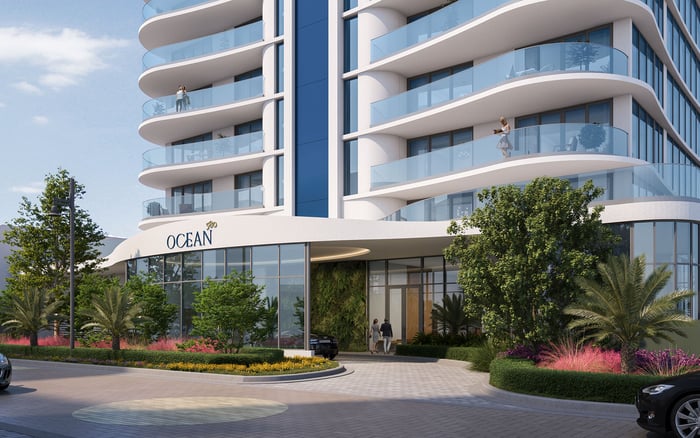
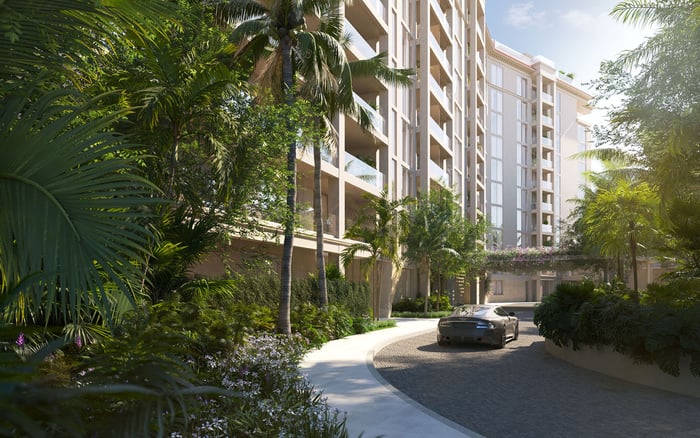
The arrival sequence is one of the most revealing parts of any luxury high-rise presentation. A buyer should study the movement from the car handoff to the lobby, from the lobby to the elevator, and from the elevator to the residence. Each step either reinforces privacy or weakens it.
A strong arrival does not need to be theatrical. It should feel calm, legible, and protected. The resident should understand where to go, where guests are received, where staff functions sit, and how quickly the path transitions from the public realm into residential space.
For Miami buyers, this sequence can be as important as finishes or views. A dramatic lobby may create a strong first impression, but a well-managed arrival supports daily livability. The question is whether the building feels composed at ordinary moments: weekday mornings, evening returns, guest arrivals, and peak service periods.
Resident flow determines whether a building feels private after the first impression fades. In a branded residential setting, buyers should ask how resident, guest, amenity, and service movement are organized. The goal is not isolation; it is controlled access and reduced friction.
The strongest plans make circulation feel intuitive. Residents should be able to move between arrival, elevators, amenities, and home without feeling routed through unnecessary public-facing areas. Staff presence should feel discreet, and service should support the experience rather than interrupt it.
In Brickell and greater downtown Miami, buyers often compare this logic with other high-service residences such as St. Regis® Residences Brickell and Una Residences Brickell. The practical question is whether the daily path feels elegant during real use, not only in renderings or presentation materials.
Elevator strategy is central to the privacy conversation because vertical movement is one of the most compressed shared experiences in a tower. Buyers should clarify how elevator access is controlled, how waiting areas are positioned, and whether the transition from elevator to residence feels appropriately private.
The final threshold matters as much as the lobby. A foyer, vestibule-like entry, or other buffer between shared circulation and the interior can make the home feel more protected. It creates a moment of decompression before the residence opens fully.
For privacy-oriented owners, this detail is both emotional and practical. It makes arrival feel intentional, reduces immediate exposure into the home, and reinforces the idea that the residence is a private domain reached through a sequence of controlled transitions.
Amenity planning is often described in terms of abundance, but privacy-minded buyers should read it as infrastructure. The key issue is not only which amenities exist, but how residents reach them, who shares them, and where any overlap with guests or service functions occurs.
A well-organized amenity experience should feel accessible without becoming overexposed. Social spaces, wellness areas, and waterfront-oriented settings should support the resident lifestyle while preserving a sense of composure. In branded residences, that balance is especially important because hospitality-level service must coexist with condominium-style privacy.
Miami Beach buyers may recognize a similar privacy question when evaluating The Ritz-Carlton Residences® Miami Beach, while island-focused purchasers may compare the sense of removal associated with The Residences at Six Fisher Island. Each address reflects a different lifestyle pattern, but the shared priority is a calmer resident experience.
The Miami waterfront lifestyle is often associated with visual drama, but privacy-oriented buyers should also evaluate rhythm. A residence can be close to urban energy while still feeling protected if the arrival, service, and circulation sequences are carefully handled.
That balance is valuable in South Florida because location can be both a privilege and a complication. Buyers want access to restaurants, culture, boating, business districts, and social life, but they also want the return home to feel calm and edited.
This is why arrival and flow deserve the same attention as interior design. A view may create the emotional pull, but resident circulation often determines whether the building remains comfortable over time.
A serious buyer should study the path from car to residence as closely as the floor plan. Where does the arrival begin? How visible is the resident path? How are guests handled? How direct is the route to the elevators? Where do amenity users, residents, staff, and service functions appear to intersect?
The answers do not need to be loud to be persuasive. A discreet greeting, intuitive elevator access, a calm transition into the residence, and a clear amenity route can carry more daily value than a dramatic architectural gesture. For the buyer who prizes discretion, these details are the architecture of privacy.
What is the main privacy idea behind The Residences at Mandarin Oriental, Miami? Privacy is best evaluated as a full residential system involving arrival, circulation, elevator access, amenity routing, and service touchpoints.
Why does the arrival sequence matter? It shapes the transition from the public realm to the private home and can determine whether daily arrivals feel calm or exposed.
What should buyers ask about resident flow? Buyers should ask how residents, guests, amenities, staff, and service routes are organized and where those paths may overlap.
How does elevator strategy affect privacy? Elevator access influences how much shared movement residents experience before reaching their home.
Why is the final threshold into the residence important? A foyer or similar buffer can make the transition from shared circulation to private interior feel more protected.
Are amenities part of the privacy discussion? Yes. Amenity value depends not only on what is offered, but also on how residents reach and use those spaces.
How should buyers evaluate service in a branded residence? Service should feel attentive and discreet, with staff interaction supporting daily life rather than interrupting it.
Is privacy only about limiting access? No. It is also about reducing friction, clarifying movement, and making the home feel separated from public activity.
What South Florida comparisons are useful? Buyers may compare other branded, waterfront, or high-service residences in Miami-Dade to understand different privacy and arrival models.
Who is the ideal buyer for this type of residence? It suits a buyer who values Miami waterfront living, branded service, controlled access, and a calmer daily arrival experience.
To compare the best-fit options with clarity, connect with MILLION.
If branded residences are on your mind — as a home or as an allocation — we would be glad to share what we are seeing, privately.
Begin a quiet conversation