A discreet arrival deserves the same scrutiny as a waterfront view. Before reserving, clarify event-week access, valet capacity, visitor authorization, and overnight service, then secure the answers in writing.
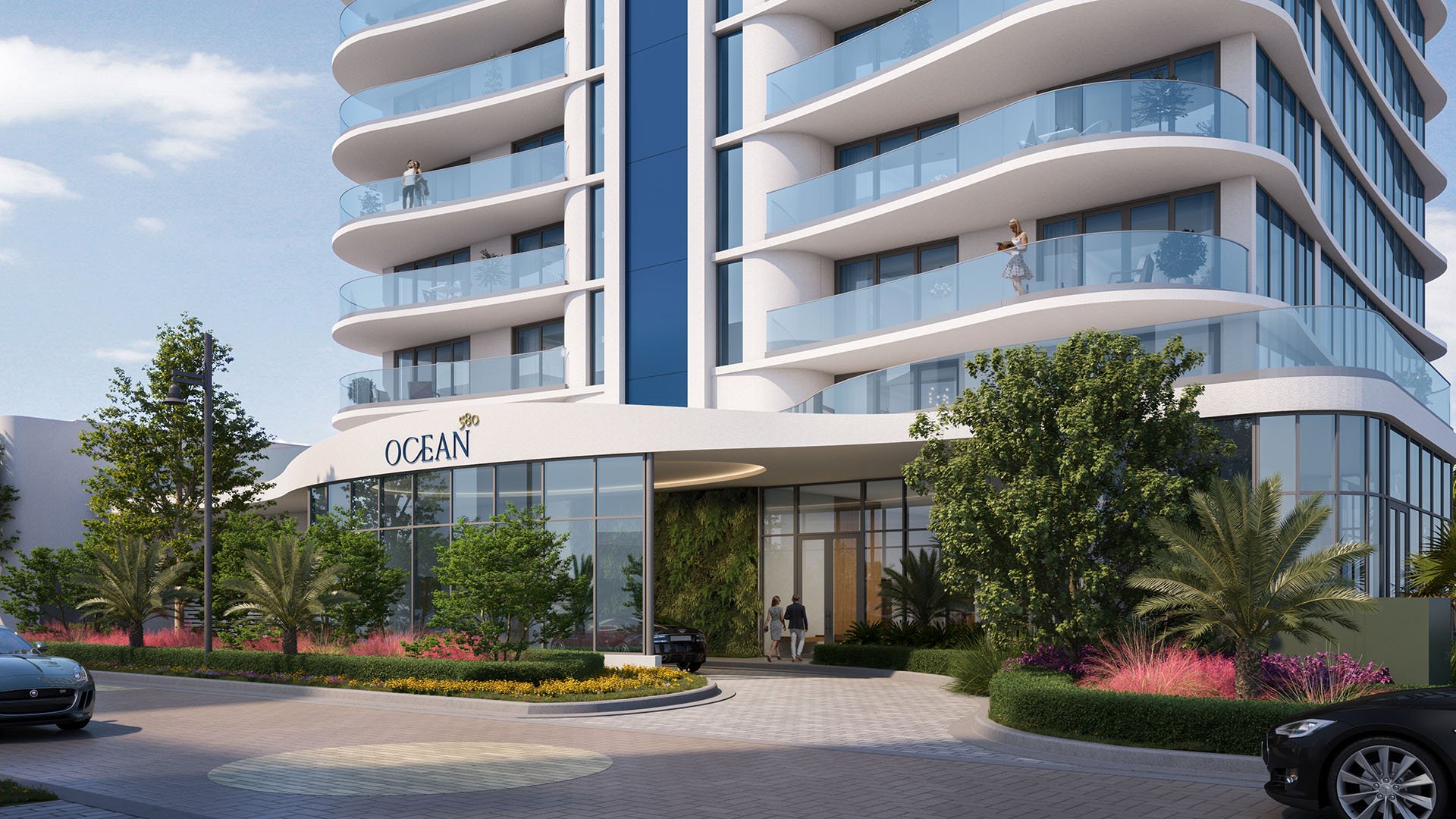
A waterfront address should feel composed from the moment the car approaches the entrance. Before reserving a residence, distinguish the promise of attentive service from the operating details that make an arrival work. The questions are practical: which entrance remains available during an event, where a driver may stop, how guests are admitted, and who answers after midnight.
For a primary residence or a second-home purchase, these details deserve the same scrutiny as the view and floor plan. Request answers specific to the property and your intended arrival date, rather than a general assurance of concierge or valet service. A polished lobby is no substitute for a clear arrival protocol.
For an event-week arrival, investigate the route to the residence separately from any stadium or venue access arrangements. Do not assume that a venue's parking credentials, road restrictions, or rideshare instructions establish a private waterfront building's vehicle policy.
When evaluating Aston Martin Residences Downtown Miami, or another address in your search, ask management for the access instructions that apply to the property. Which dates affect the approach? Is there an alternate vehicle entrance? Where may a chauffeured car or ride-app vehicle legally stop? How are changes communicated to residents and drivers?
Request a marked arrival map, not simply a street address. Ask whether nearby construction or event arrangements affect your intended route, then confirm actual entrance conditions with management. A general event calendar alone does not establish whether a driveway will be accessible.
Evaluate valet service as an operating sequence: approach, vehicle acceptance, luggage transfer, parking, retrieval, and departure. Request written retrieval-time estimates for 6-9 p.m., event nights, and after midnight. Clarify whether those estimates reflect ordinary conditions or the busier periods relevant to your household.
The next question is physical: how many vehicles can queue entirely on-site? Ask where the next car waits once that space is full, who directs the driver, and whether a waiting vehicle could obstruct the entrance. An elegant arrival court does not, by itself, demonstrate adequate queue capacity.
For a Brickell comparison that includes Una Residences Brickell, use the same questions without presuming a particular service level. Request procedures for simultaneous guest arrivals, advance vehicle retrieval, and a driver returning with luggage while another party departs.
Ask whether residents, visitors, and overnight vehicles follow different rules. Obtain any applicable charges in writing, including additional-vehicle, guest-parking, or after-hours fees. The objective is not a promise of zero waiting; it is clarity about what happens when demand exceeds immediate capacity.
Visitor preclearance is most useful when its requirements are clear before an invitation is extended. Ask exactly what information management needs, how far in advance it must be submitted, and what identification guests must present. Confirm when approval expires and whether recurring visitors need fresh registration for every visit.
Test the rule against a realistic scenario: a guest arrives while you are on a flight and cannot answer your phone. Does existing authorization permit admission, or must staff reach you again? Can another designated person approve access? Ask management to describe the procedure rather than rely on an informal assurance.
For a Miami Beach search that includes The Perigon Miami Beach, apply the same checklist to visiting family, personal assistants, and drivers. These are questions to resolve with the property, not statements about its policies.
Confirm how last-minute name changes, delayed arrivals, and multiple vehicles are handled. Share only the information management requires through its designated registration channel. Request guest-facing instructions you can forward without rewriting them.
For an arrival through Miami International Airport, treat the airport transfer and the building arrival as separate arrangements. A confirmed ride does not establish overnight valet, concierge, luggage assistance, or vehicle acceptance at a private residence.
Ask which staff are physically present overnight and which services require advance notice. Who receives luggage? Can a driver deliver a vehicle without the resident present? What happens if a flight delay pushes an expected evening arrival beyond midnight? Obtain a direct after-hours number and identify who monitors it.
Confirm your airport pickup instructions with the transport provider before travel, including how a delayed flight changes the arrangement. Share the residence's approved stopping point with the driver, and ask whom to contact if the entrance cannot be reached. Avoid assuming that the driver and building staff have coordinated with each other.
If public transit is part of your fallback plan, verify its operating schedule for your actual travel date. Do not assume that any event-specific service extension will apply to a later arrival or that it resolves the final approach to the residence.
A comparison that includes Vita at Grove Isle should likewise address the final approach, guest arrival instructions, and after-hours contact. Do not transfer an access arrangement from one address to another simply because both are part of a waterfront search.
Ask management what to do if the preferred entrance becomes unavailable or your driver cannot reach the designated stopping point. The fallback should specify an authorized route or arrival instruction, rather than leave you to improvise at the curb.
Before committing, request a single written arrival brief containing the entrance map, guest-registration instructions, valet hours, applicable additional fees, and after-hours contact number. Include the event-date instructions and delayed-flight procedure relevant to your plans. Ask who will confirm any changes before arrival.
Keep estimates distinct from commitments. A retrieval estimate is not a guaranteed wait time, and a general service description does not confirm overnight staffing. Where an answer matters to your decision, ask whether it can be incorporated into the applicable reservation documentation.
The strongest decision aligns expectations with the residence: arrival arrangements that suit your household, your guests, and the hours you actually keep.
Explore your next waterfront residence with MILLION.
If branded residences are on your mind — as a home or as an allocation — we would be glad to share what we are seeing, privately.
Begin a quiet conversationRequest an arrival map, guest-registration instructions, valet hours, applicable additional fees, and a direct after-hours contact. Ask for event-date and delayed-flight procedures in writing.
Ask management for date-specific entrance instructions, an arrival map, and any alternate approach. Investigate the route to the residence separately from venue access arrangements.
Do not treat venue restrictions as confirmation of a residence's policy. Confirm legal stopping points and vehicle access directly with the property.
Request written estimates for 6–9 p.m., event nights, and after midnight. Clarify whether the estimates reflect ordinary or peak conditions.
It helps clarify how arrivals are handled when multiple vehicles reach the entrance together. Ask where additional vehicles wait and who directs them.
They should specify required information, registration lead time, identification checks, approval expiry, and recurring-visitor procedures. Confirm admission rules when you cannot be reached.
No. Overnight valet, concierge staffing, luggage handling, and vehicle acceptance must be confirmed separately with the property.
Confirm pickup instructions and how a delayed flight changes the arrangement. Share the residence's approved stopping point and the contact to use if the entrance cannot be reached.
Verify the operating schedule for your actual travel date rather than assuming an event-specific extension applies. Plan the final approach to the residence separately.
Confirm advance-notice requirements, who monitors the after-hours contact, and how luggage and vehicles are received after midnight. Ask whether visitor authorization remains valid after the delay.