A due-diligence framework for evaluating slip rights, tender access, crew entry, provisioning logistics, costs, and governing documents at La Maré Bay Harbor Islands.
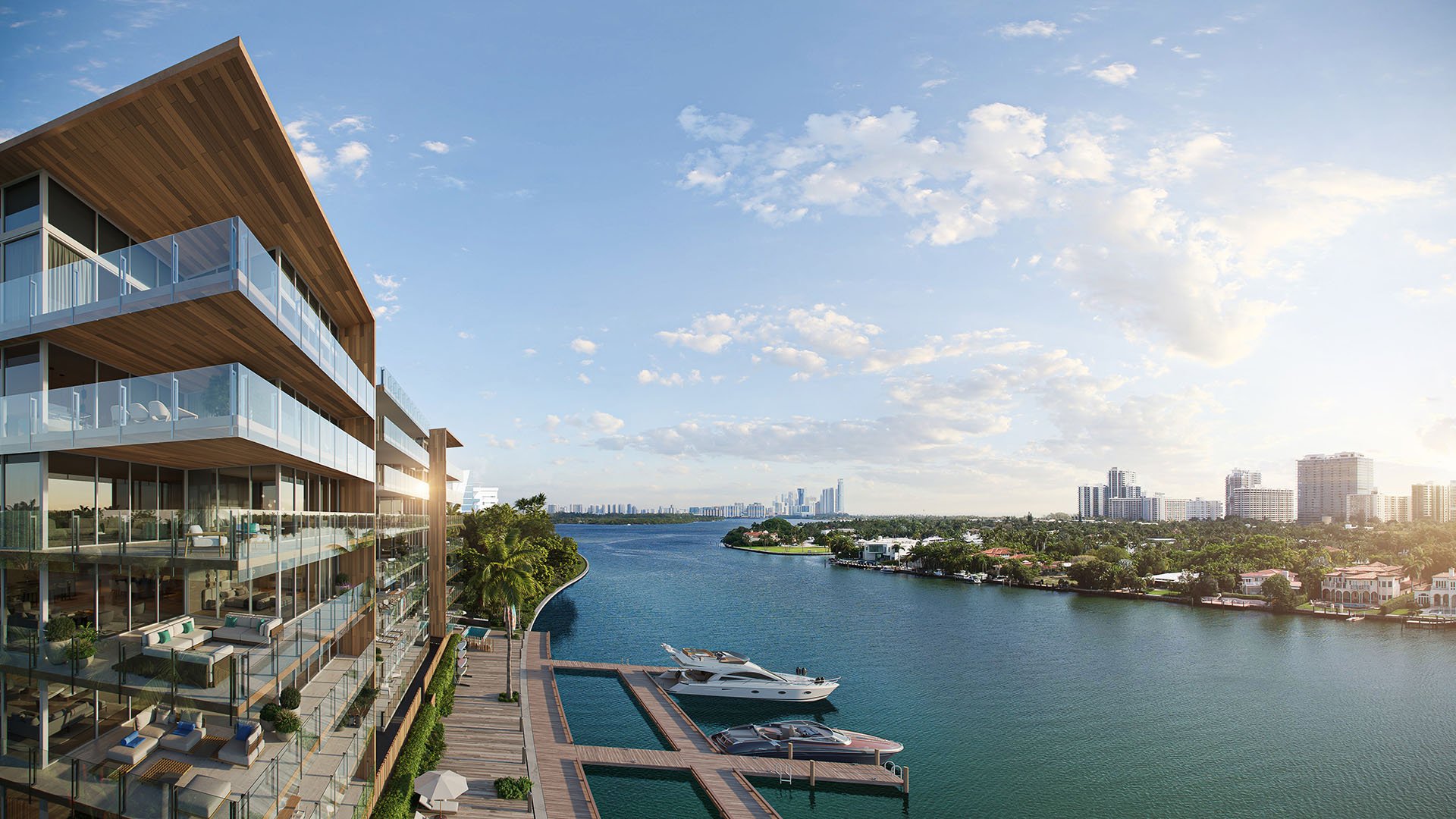
A yacht owner evaluating La Maré Bay Harbor Islands should analyze the residence and any marine-use rights separately. The purchase agreement, condominium documents, marina documents, and written rules should establish what is conveyed and how it may be used.
Ask whether a slip or other dock right is deeded, assigned, licensed, treated as a limited common element, or governed by a separate agreement. Counsel should explain how that structure affects exclusivity, transfer, resale, leasing, insurance, fees, assessments, and the association’s authority to change operating rules.
The review should also identify the specific dock plan applicable to the contemplated purchase. Confirm permitted vessel dimensions, utilities, boarding arrangements, access routes, maintenance responsibilities, and any limitations directly from the controlling documents.
An owner who keeps a primary yacht elsewhere may value short tender calls more than permanent dockage. Do not assume that general dock access permits an unassigned tender, captain-operated launch, chartered vessel, or contractor to stop for pickup and drop-off.
Request written terms addressing advance notice, operating hours, courtesy-docking duration, guest embarkation, insurance certificates, vendor registration, waiting restrictions, fees, and conflicts with assigned vessels. The documents should also clarify whether tender privileges continue after a sale, lease, or rule change.
Nearby residential comparisons-including Onda Bay Harbor and La Baia North Bay Harbor Islands-can help buyers organize questions about access, control, cost, and transferability. Each property must still be evaluated under its own governing documents.
Ask management to map the recurring journey for captains and crew from arrival through departure. The written protocol should address registration, identification, approved entrances, access hours, parking, elevator permissions, service areas, dock circulation, and owner authorization.
Clarify how the rules distinguish among guests, household employees, marine vendors, captains, and recurring crew members. Determine whether standing authorizations are available, how they are renewed or revoked, and whether every visit requires separate approval.
Buyers also considering Origin Bay Harbor Islands can apply the same review to staff access and service circulation without assuming that procedures are equivalent across properties.
Provisioning should be evaluated through a practical walkthrough rather than assumption. Confirm delivery scheduling, vehicle access, loading procedures, service-elevator reservations, permitted carts, temporary staging, handling of perishables, waste removal, and the route between the residence and dock.
Ask whether caterers, florists, beverage vendors, and marine suppliers face separate registration, insurance, scheduling, or access requirements. Then time the route from the delivery point to the residence and onward to the dock, including every security checkpoint and elevator transfer.
A workable process should account for delays, tender timing, restricted circulation, and competing reservations. Any arrangement essential to the owner’s intended use should be documented by the party authorized to grant it.
Before closing, reconcile the purchase agreement, declaration, amendments, marina documents, slip or dock-use agreement, transfer provisions, rules, fee schedules, insurance requirements, and assessment authority. Counsel should identify conflicts, discretionary approvals, termination rights, and provisions that may change after closing.
The final file should answer practical departure-day questions: who may enter, where deliveries arrive, how provisions reach the dock, what a tender may do, and which charges or approvals apply. Verbal statements should not substitute for the controlling documents or enforceable written commitments.
Does purchasing a residence automatically include a boat slip? Do not assume it does. Confirm any slip or dock right in the purchase agreement and governing documents.
How should a buyer characterize a marine-use right? Determine whether it is deeded, assigned, licensed, a limited common element, or subject to a separate agreement, then have counsel explain the consequences.
What vessel details require confirmation? Verify permitted length, beam, draft, utilities, boarding conditions, access limitations, and maintenance responsibilities for the specific dock arrangement.
Can an owner’s tender make a brief stop without an assigned slip? Only the applicable written rules can answer that. Request explicit terms for pickup, drop-off, waiting, and conflicts with assigned vessels.
Which tender rules matter most? Review notice requirements, operating hours, docking duration, insurance, fees, guest loading, vendor registration, and contract-vessel access.
What should a crew-access protocol cover? It should address registration, identification, entrances, hours, parking, elevators, service areas, dock circulation, and owner authorization.
Can recurring crew receive standing access? Confirm whether standing authorization is permitted, how it is documented, and whether it must be renewed for each visit.
What should a provisioning walkthrough test? Test delivery access, scheduling, elevator use, carts, staging, perishables handling, waste removal, security checkpoints, and timing with tender arrival.
Which costs should be reviewed before closing? Examine acquisition charges, recurring fees, insurance obligations, transfer costs, operating charges, and potential assessments stated in the governing documents.
Which documents should control the decision? Rely on the executed purchase agreement, declaration and amendments, marina documents, dock-use terms, rules, fee schedules, insurance requirements, and enforceable written commitments.
For a discreet conversation and a curated building-by-building shortlist, connect with MILLION.
If branded residences are on your mind — as a home or as an allocation — we would be glad to share what we are seeing, privately.
Begin a quiet conversation