For a seasonal condominium buyer in Key Biscayne, reserve diligence is a reconciliation exercise. The latest structural study, current budget, reserve balances, assessments, debt documents, and meeting minutes should tell one coherent story about how foreseeable capital obligations will be paid.
A seasonal residence in Key Biscayne may be acquired for privacy, water access, and an effortless winter calendar. Yet the most consequential page in the purchase file may concern neither the floor plan nor the view. It is the association's reserve funding plan, which determines whether foreseeable capital costs are already incorporated into recurring dues or remain exposed to a future special assessment, credit draw, or loan payment.
This distinction is especially important for an owner who is away much of the year. A residence can be impeccably maintained even as the building's financial obligations shift in the background. Due diligence should do more than confirm that reserves exist. It should establish whether the latest structural assumptions, adopted budget, actual cash balances, approved assessments, and association debt all reflect the same funding strategy.
The essential question is not whether a building has reserves, but whether its funding plan is complete and current.
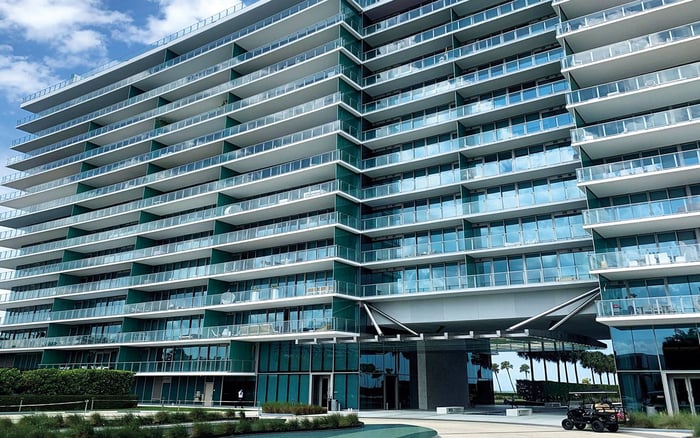
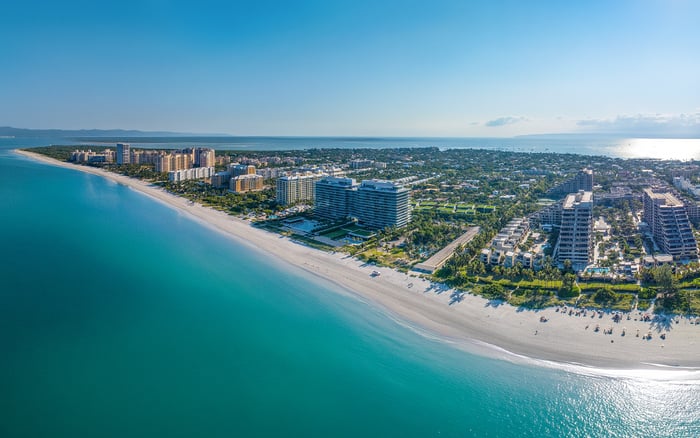
That discipline applies when considering Oceana Key Biscayne or another condominium on the island. For a waterfront or second-home acquisition, financial governance is part of the amenity package, even if it never appears in the sales gallery.
A Structural Integrity Reserve Study, commonly called a SIRS, generally applies to each condominium building of three stories or more. Most applicable condominiums were required to complete their first study by December 31, 2025, with a new study required at least every 10 years thereafter.
For budgets adopted on or after December 31, 2024, associations subject to these requirements must maintain reserves for specified structural items based on the study's findings and recommendations. Owners may not routinely waive or reduce required reserves for covered structural components. The most recent SIRS therefore becomes the central document for understanding the building's future capital obligations.
Request the complete study, including its date, component schedule, remaining useful-life assumptions, estimated expenditures, and recommended funding. Confirm that it is the latest version, then determine whether a special assessment, loan, or line of credit was approved after its completion. A subsequent financing decision-or a funding arrangement that no longer aligns with the study-may require an update.
The file should also identify components outside the mandatory SIRS framework. Their funding treatment can differ, so a polished reserve summary that combines every category into a single figure may conceal important distinctions.
The buyer's team should place the SIRS alongside the current budget, recent financial statements, reserve balances, scheduled contributions, approved special assessments, and outstanding association debt. Each covered component should connect to an identifiable funding source.
Regular-assessment funding spreads contributions across recurring owner dues. Ask management to separate each monthly or quarterly payment into operations, reserves, and debt service. A high assessment is not necessarily evidence of overfunding, just as a lower assessment is not proof of efficiency. The composition of the payment is what matters.
The same analytical framework applies across coastal condominium markets. A buyer comparing Key Biscayne with Park Grove Coconut Grove or Apogee South Beach should evaluate each association through its own documents rather than infer financial condition from age, architecture, location, or price point.
For investment analysis, normalize the residence's carrying costs to include regular assessments, embedded loan repayment, known special-assessment installments, and a reasonable review of unfunded exposure. This provides a clearer picture than dues alone.
A special assessment creates a discrete cash obligation for owners. The due-diligence file should identify assessments already approved, amounts billed to date, future installments not yet billed, unpaid balances, and the specific capital work being financed. It should also show whether the seller has paid an assessment in full or is following an installment schedule.
Funding reserves through a special assessment requires approval by a majority of the association's total voting interests. Board and owner-meeting minutes are therefore essential. They can document the vote, clarify the scope of work, expose delays, and reveal whether owners resisted or modified a proposed capital plan.
Closing documents should state clearly which party bears any pending or unpaid obligation. Florida condominium counsel should review that allocation, the association's governing documents, and the treatment of any assessment approved but not fully billed.
Borrowing can address a capital shortfall without requiring an immediate owner payment, but it replaces a visible cash call with a longer financial commitment. Obtain the complete loan or credit agreement rather than relying on a budget line or informal description.
For a loan, review the principal, interest rate, maturity, repayment schedule, covenants, and method used to allocate debt service among owners. Determine how much of the regular assessments now supports repayment and whether that obligation can change under the agreement.
For a line of credit, inspect the total commitment, amount drawn, available balance, access conditions, maturity, interest terms, and eligible uses. A qualifying reserve line must cover the cumulative unfunded reserve amount and current SIRS requirements, and it must be immediately available for eligible repair or replacement expenses. Funding reserves through either a line of credit or a loan requires approval by a majority of total voting interests.
A buyer must also know whether the association's plan assumes future draws that have not yet occurred. Available credit is not cash on hand, and undrawn capacity may ultimately become owner-funded debt.
Milestone inspections can identify structural work that must be incorporated into reserve planning and funded through assessments, existing reserves, or borrowing. Compare inspection findings with the projects and timelines in the SIRS. If urgent repairs caused reserve contributions to be paused, the association may need a SIRS before regular contributions resume.
Meeting minutes, engineer communications included in the association file, contracts, and payment schedules can clarify whether identified work is merely contemplated, formally approved, underway, or complete. The purpose is not to substitute a buyer's judgment for an engineer's. It is to verify that the financial plan acknowledges the work described in the technical record.
Buyers exploring alternatives such as The Ritz-Carlton Residences® Miami Beach should apply the same principle: physical-condition documents and funding documents must be read together.
A well-organized file should contain the latest SIRS, current budget, recent reserve statements, adopted contribution schedule, special-assessment notices, loan and credit agreements, milestone materials, and relevant board and owner-meeting minutes. It should also include written confirmation of unit-specific balances and the payment treatment agreed upon for closing.
The practical standard is consistency. Dates should align. Funding amounts should reconcile. Votes should appear in the minutes. Debt service should be visible in the budget. Any departure from the study's plan should have a documented explanation and, where required, an updated study.
The objective is not to find a building without capital obligations, but to understand the timing, structure, and owner allocation of those obligations. In a luxury acquisition, certainty has value. Before the transaction becomes an island routine, Florida condominium counsel and appropriate financial and technical advisers should confirm current statutory requirements, applicable exemptions, and every pending charge that could survive closing.
For discreet guidance on a Key Biscayne acquisition and its financial due diligence, connect with MILLION.
If branded residences are on your mind — as a home or as an allocation — we would be glad to share what we are seeing, privately.
Begin a quiet conversationDetermine whether foreseeable capital costs are already funded through recurring dues or remain exposed to special assessments, credit draws, or loan payments.
A SIRS evaluates specified structural components and establishes reserve needs based on the study's findings and recommendations.
The requirement generally applies to each condominium building that is three stories or higher, subject to current legal requirements and any applicable exceptions.
After the initial study, an applicable condominium must obtain a new SIRS at least every 10 years.
No. Owners may not routinely waive or reduce required reserves for structural components covered by SIRS requirements.
Ask how much of each payment supports operations, reserve contributions, and association debt service.
Review approved amounts, sums not yet billed, unpaid balances, installment terms, and the capital work being funded.
Obtain the complete loan or credit agreement and review principal, interest, maturity, covenants, available credit, and owner repayment allocations.
Minutes can document required owner approvals and reveal project delays, funding changes, or resistance to proposed capital plans.
Confirm unit-specific balances, responsibility for pending assessments, debt allocations, and whether all documents reconcile with the latest SIRS and budget.