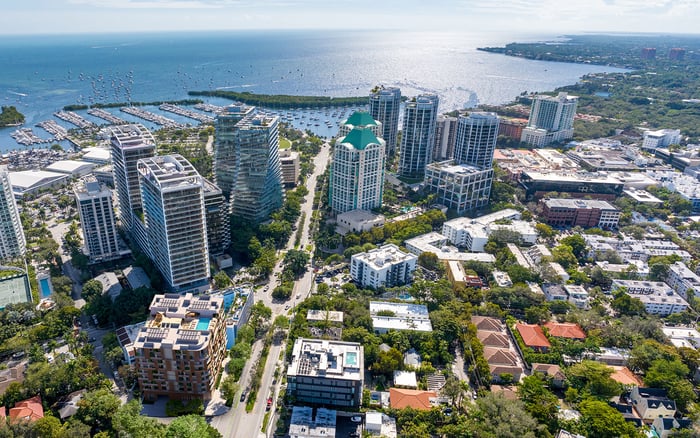
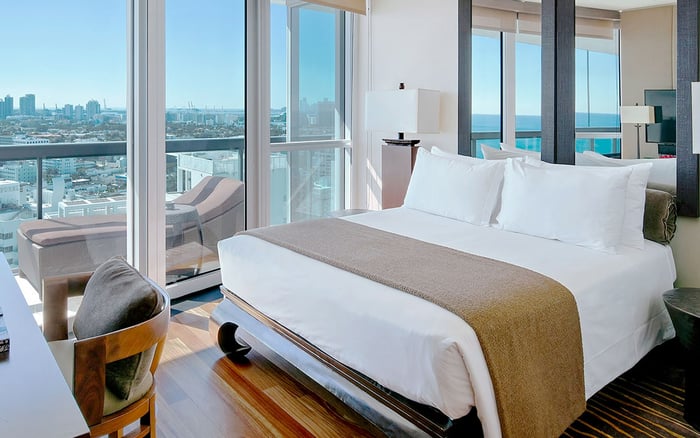
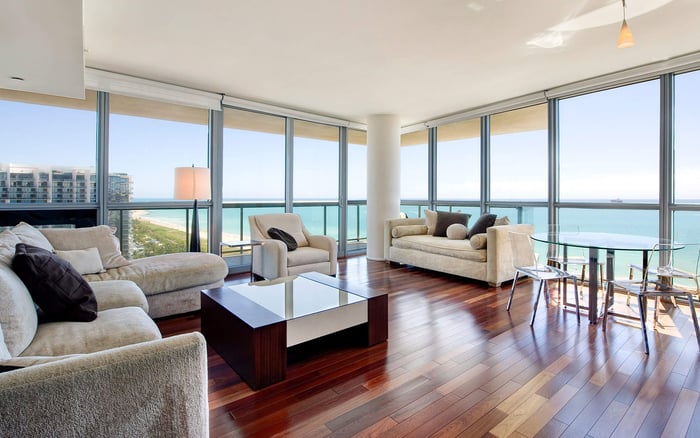
For luxury buyers, entertaining well in Miami Beach depends on more than securing a beautiful residence. This 2026 guide explains group-booking thresholds, private-dining contracts, catering approvals, common-area permissions, beachfront limits, and the questions to resolve before peak-season dates fill.
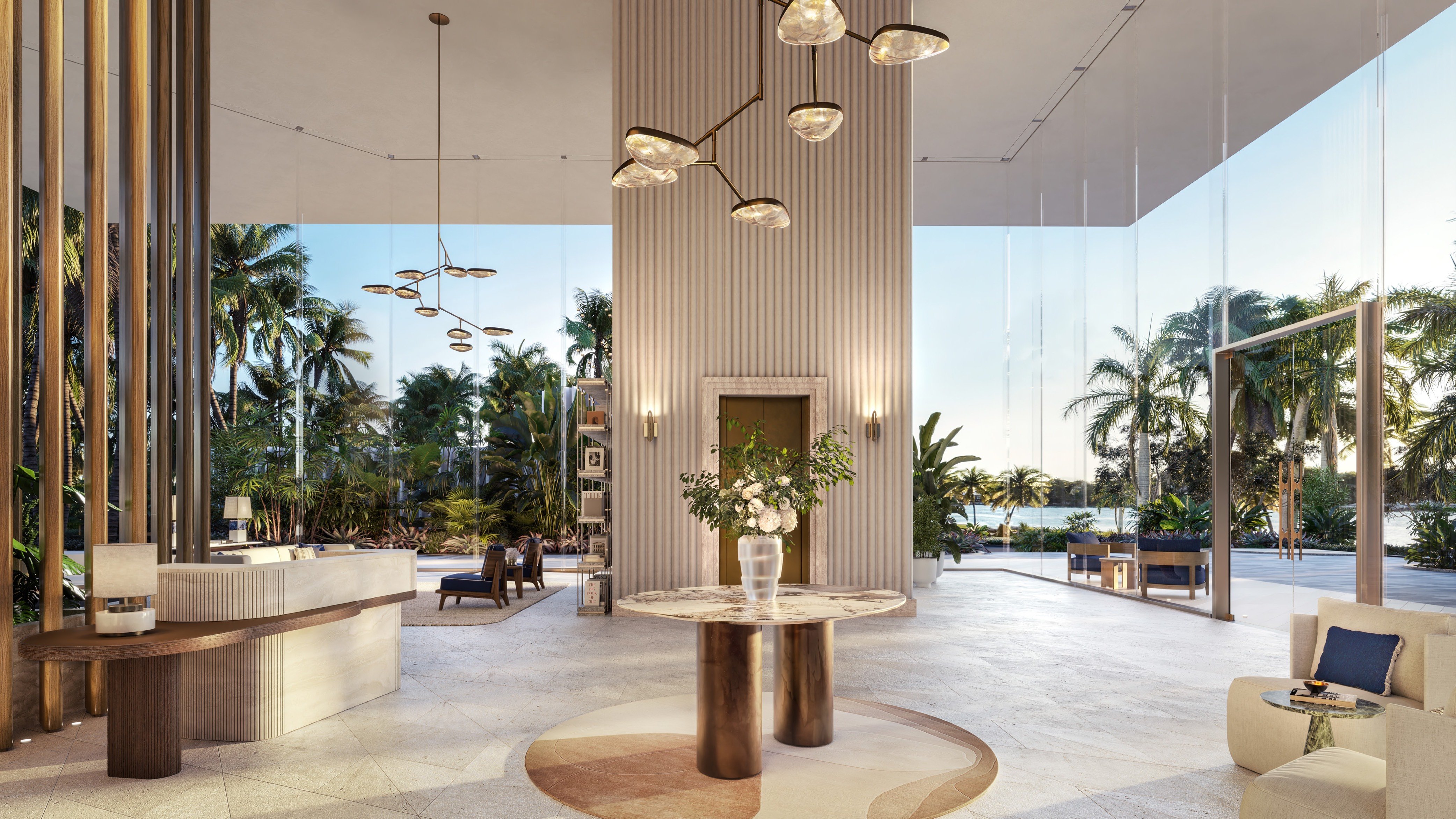
In Miami Beach, a residence is often expected to serve as both a private retreat and a social setting. Yet effortless entertaining depends on an operational framework that may include restaurant policies, condominium rules, catering access, city permits and seasonal demand. A dining room with an exceptional view is only part of the equation.
For buyers planning intimate dinners, milestone celebrations or recurring holiday gatherings, the practical questions should begin during due diligence. Can an outside caterer enter the building? Which service elevators and loading areas may be used? Does the association permit catered events in common spaces? How far in advance must a resident reserve an amenity room? These details shape the lifestyle value of a home as meaningfully as its finishes and floor plan.
This is the essential perspective for MILLION Buyer's Guides: evaluate not only where guests will gather, but also how food, staff, rentals and vendors will reach them. Policies must be reconfirmed for each 2026 event because menus, fees, operating hours and permit requirements can change.
The most successful Miami Beach dinner is contracted long before the first guest arrives.
A buyer comparing Five Park Miami Beach with other residences should request the current governing documents and event procedures rather than assume every common area allows private catering. Ask for rules governing guest counts, music, alcohol, décor, outside vendors, cleanup, security, insurance and end times. Obtain written association approval when a catered gathering will use condominium common areas.
The same discipline applies when considering The Perigon Miami Beach. Buyers who entertain frequently should determine whether their preferred format is best accommodated inside the residence, in a reservable shared space or at a nearby private dining room. Condo-hotel operations can introduce another layer of procedure, particularly where hotel service and residential governance intersect.
For a home near the southern end of the island, Continuum on South Beach can form part of a broader hosting plan that includes private restaurants around South Pointe. The relevant question is not simply proximity, but whether a nearby venue offers the privacy, timing, menu structure and billing arrangement appropriate to the occasion.
Six guests is a useful local threshold for treating dinner as a group booking, with advance reservations generally necessary. Once a party reaches 10 or more, many Collins Avenue restaurants may require a set menu, a minimum spend or both, especially for weekend dinner. Private and semi-private spaces should be secured before arrival, not requested at the host stand.
Policies become more structured as the group expands. Ocean Social offers curated preset private-dining menus for parties of 15 or more. It also limits check splitting to four ways per table, making centralized billing or a formal event contract preferable for many hosts. Its casual-elegant dress code excludes bathing suits and overly revealing or offensive clothing-a detail worth communicating before guests leave the pool or beach.
Nobu Miami Beach offers private and semi-private events as well as off-premise catering. For reservations or private events of 13 or more, a set menu and minimum guarantee apply. Smith & Wollensky at 1 Washington Avenue in South Pointe Park provides dedicated private-dining and event-planning contacts. In each case, the efficient approach is to request the complete event package rather than negotiate from an ordinary reservation.
During peak periods, begin with the date, preferred seating time, guest range and privacy requirement. Then request alternatives for adjacent dates or earlier seatings. A flexible time can preserve venue choice, but it should never replace a clear written agreement.
For groups approaching 10 to 15 guests, request the set-menu choices, food-and-beverage minimum, room fee, service charge, tax, deposit, cancellation schedule and final-guarantee deadline. Clarify whether the minimum includes beverages, whether service charges constitute gratuities and what happens if attendance rises or falls.
A private-dining contract used in Coconut Grove provides a useful benchmark, although it is not a universal Miami Beach policy. It requires menu selections 30 days before the event and a final, non-reducible guest guarantee 14 days before it. If guaranteed attendance increases by more than 5 percent within 72 hours of the event, the contract adds a 25 percent per-person surcharge. It also adds $20 per person for private-dining groups under 20.
These terms illustrate why a smaller gathering is not always operationally simpler or proportionally less expensive. Before signing, identify the last date for reducing attendance, the charge for additional guests, any small-group premium and the treatment of no-shows. Hosts should also confirm audiovisual costs, cake or corkage policies, vendor access and overtime in writing.
A restaurant booking and an event at home involve different approvals. In Miami Beach, special events may not provide food, beverages or alcohol without the applicable approvals and permits. If tables and seating are supplied for food consumption at a special event, at least 5 percent of the seating-and no fewer than one place-must be accessible.
Restaurant operations have their own approval structure. A Certificate of Use and supporting ownership or lease documentation are required. More than 49 seats requires an Occupant Load Certificate, while occupancy above 200 may trigger a Nightclub Load Fee. Entertainment and supper clubs must operate as restaurants with full kitchens serving full meals, rather than solely as drinking or entertainment venues.
For a buyer evaluating Shore Club Private Collections Miami Beach, the prudent approach is to distinguish among service inside the residence, service in a condominium common area and an event using hotel or restaurant space. Each may involve a different approval chain. Before retaining a caterer, ask management to confirm insurance requirements, kitchen access, delivery windows, staffing rules, waste removal and any restrictions on open flames or rented equipment.
Mobile food-service operations can also be subject to location- and operation-specific hours. Certain weekend operations fall within a 7:00 a.m. to 11:00 p.m. window. A private address does not automatically eliminate county or city requirements, so the exact service model and site should be checked before a vendor is contracted.
Beachfront service deserves separate scrutiny. Food-and-beverage concession applicants must provide the relevant Florida food-service license before Miami Beach issues the corresponding Business Tax Receipt. Covered concession operations may open no earlier than one hour after sunrise and must close no later than one hour before sunset, subject to weather and force majeure.
Concession rules also prohibit beverages in glass or metal containers, restrict single-use plastic straws and stirrers except for disability accommodations, and require reusable ware for on-site service. These rules should not be assumed to govern every hotel terrace, condominium common area or private event site. Public beaches, concession zones and private properties can fall within different approval structures.
Outdoor dining on Lincoln Road carries another timing constraint: concession areas cannot operate between 2:00 a.m. and 8:00 a.m. That makes them unsuitable for an overnight event and reinforces the importance of matching the desired schedule to the venue's permitted operating window.
Before closing, request current association rules and sample event forms. Before reserving a restaurant, obtain the complete proposal and payment schedule. Before hiring a caterer, confirm building access and applicable approvals. Keep every approval, menu, insurance certificate, guarantee and contact in one file, then reconfirm the plan shortly before the event.
Miami Beach entertaining feels spontaneous only when the operational details have been resolved discreetly in advance. For guidance on choosing a residence that supports your preferred style of hosting, connect with MILLION.
If branded residences are on your mind — as a home or as an allocation — we would be glad to share what we are seeing, privately.
Begin a quiet conversationSix guests is a useful local threshold for group booking, and advance reservations are generally necessary at that size.
Many Collins Avenue restaurants may introduce set menus, minimum-spend requirements or both, particularly for weekend dinners.
Reservations or private events for 13 or more require a set menu and minimum guarantee.
Ocean Social offers curated preset private-dining menus for groups of 15 or more.
Possibly, but the owner should obtain association approval and confirm vendor access, insurance, staffing and cleanup rules before contracting.
Applicable approvals and permits are required when a Miami Beach special event provides food, beverages or alcohol.
When tables and food-consumption seating are provided, at least 5 percent of seats, and no fewer than one place, must be accessible.
No. Covered beachfront concession rules prohibit beverages in glass or metal containers.
They cannot operate between 2:00 a.m. and 8:00 a.m., which limits their suitability for overnight events.
Review menu deadlines, minimum spend, room fees, service charges, taxes, deposits, cancellation terms, final guarantees and late guest increases.