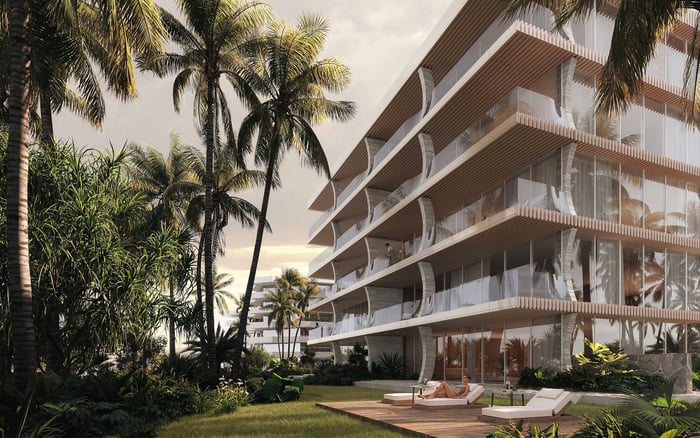
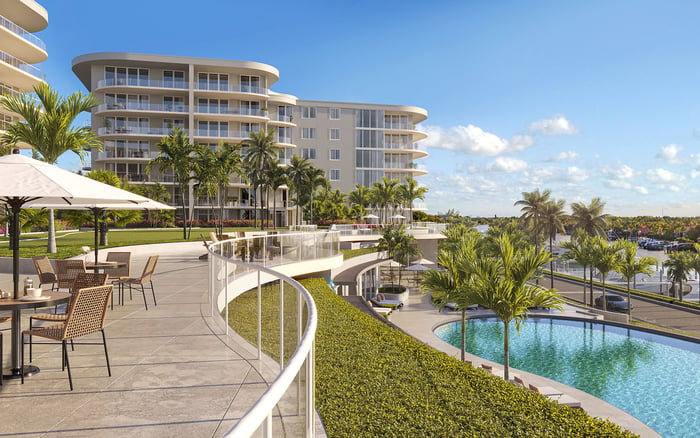
Lock-and-leave ownership at Forté on Flagler requires written clarity around storm preparation, insurance boundaries, emergency access, building procedures and recurring unit care. Buyers should test each expected convenience against current association documents and a residence-specific absence plan.
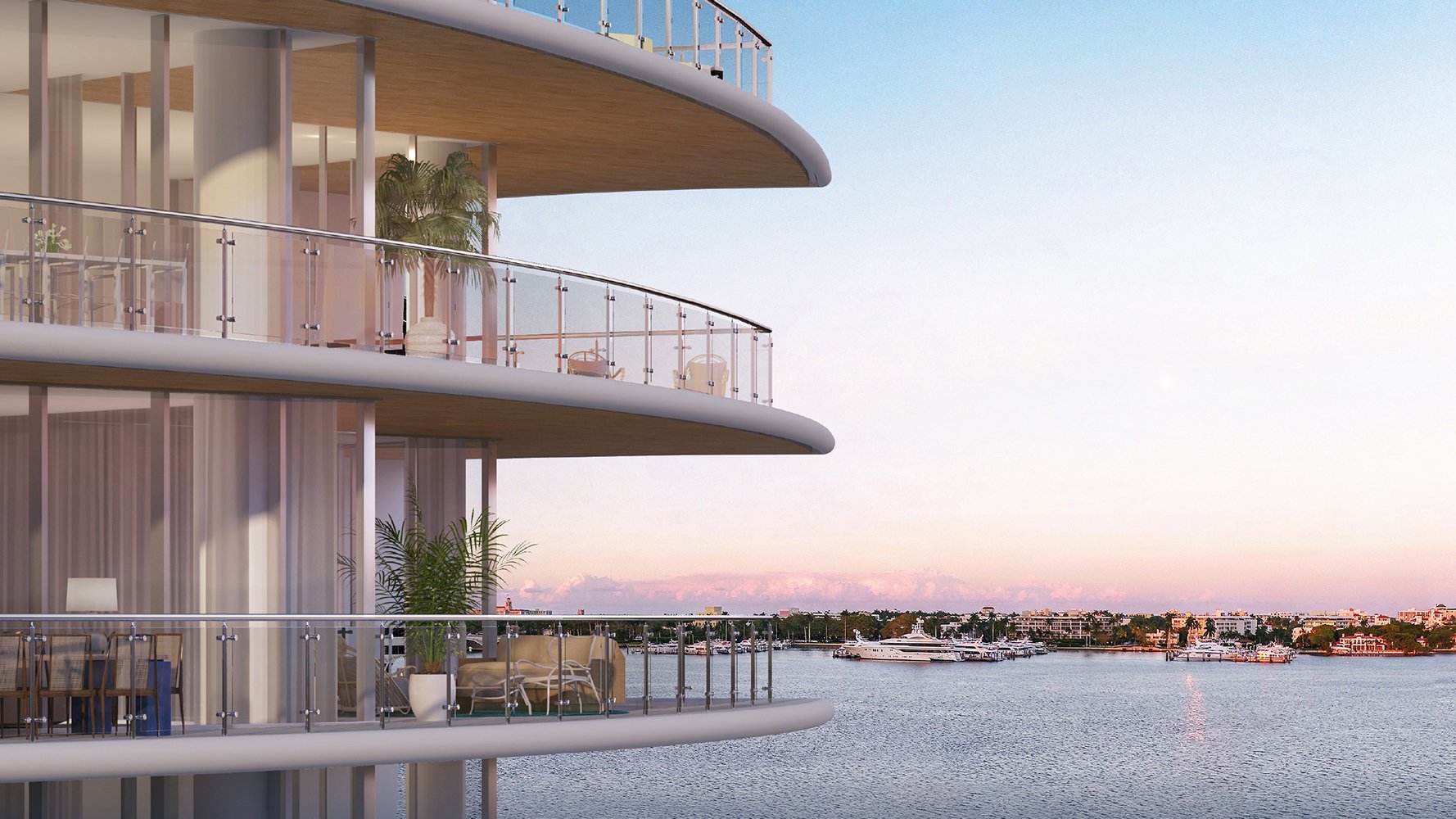
A buyer evaluating Forté on Flagler West Palm Beach should define what happens before, during and after an extended absence. Lock-and-leave ownership is not simply a matter of securing the residence and forwarding mail. It requires a clear division of responsibility among the owner, association, management and any approved vendors.
Begin with the declaration, bylaws, current rules, insurance materials and written management procedures. Marketing language may describe convenience or service, but only current governing documents and written protocols can establish who is authorized to act, which tasks are available and whether separate charges apply.
The central test is consistency. The building’s rules, insurance structure, access procedures and actual service process should support the same absence plan.
Ask for the building’s current written hurricane procedures before relying on verbal assurances. Review how owners receive alerts, what evacuation and reentry rules apply, how emergency contacts are maintained and when updates are expected before and after a storm.
Responsibility should be explicit. Determine who coordinates building preparation, who can enter an individual residence, what authorization is required and how an absentee owner receives confirmation that requested work was completed. If an owner must hire an approved vendor, identify that vendor and document the scope before hurricane season.
Backup power also requires precise questions. Rather than asking only whether a generator exists, request written confirmation of any systems it supports and the expected limitations during an outage. Elevators, access controls, pumps, lighting, cooling and communications should each be addressed only through current project documentation.
Buyers comparing West Palm Beach options may also review Alba West Palm Beach and The Ritz-Carlton Residences® West Palm Beach. Apply the same document-based review to every property rather than assuming that similar service language produces identical storm procedures.
If the selected residence includes a terrace, balcony or other private exterior area, determine what must be removed or secured when severe weather approaches. Ask when action is required, who can perform it for an absent owner, where items may be placed and whether the work carries an additional fee.
The plan should account for available storage. Furniture, planters, grills and decorative objects cannot be treated as an afterthought if the permitted storage location is unclear. Record which party will move each item, how access will be granted and how completion will be documented.
Windows, sliding doors and other exterior openings also require review. Obtain project-specific documentation for the selected residence, identify any required storm-protection equipment and confirm who is responsible for deployment, maintenance and repair. Before departure, owners can document visible conditions and arrange appropriate professional review when needed.
The same diligence is useful when considering South Flagler House West Palm Beach. Outdoor living and seasonal convenience should be evaluated alongside the written procedures that govern storm preparation.
Obtain the current master insurance declarations and review them with a qualified insurance professional. The analysis should identify the boundary between association and owner responsibility, applicable deductibles and the treatment of wind, water and flood-related losses.
Next, compare those terms with the proposed HO-6 policy. Review coverage for the residence’s contents and interior components, along with exclusions, occupancy conditions and loss-assessment protection. The objective is to identify potential gaps before closing rather than after a loss.
Financial due diligence should include the current budget, available reserve information, recent meeting minutes, insurance summaries and assessment records. These materials may help a buyer ask informed questions about building obligations, insurance costs, planned work and potential owner exposure. Any conclusion should be based on the latest documents supplied for the property.
Emergency access should not depend on an informal arrangement. Put key holding, credential control and unit-entry authorization in writing. Specify who may enter, which circumstances permit entry, how identity is verified and how each visit will be reported to the owner.
For recurring inspections, define the schedule and scope. A written checklist can address visible leaks, indoor humidity, air-conditioning performance, power interruptions and other conditions selected by the owner and an appropriate professional. The reporting process should state when photographs are required, what triggers escalation and who may authorize repairs.
Before leaving for the summer, verify the building’s current policies for water shutoffs, air-conditioning, appliances and service-provider access. Temperature and humidity settings should reflect the residence, equipment, insurer requirements and professional guidance rather than a universal rule.
Buyers evaluating Mr. C Residences West Palm Beach can use the same framework. The relevant question is whether each residence can be accessed, monitored and stabilized under a documented protocol that matches the owner’s travel pattern.
Before closing, assemble the documents that control long absences, emergency access, storm preparation, insurance and vendor entry. Confirm in writing which requested services are included, which require separate arrangements and who has authority to approve work.
The final absence plan should identify primary and secondary contacts, define access permissions, record exterior-area instructions, establish an inspection schedule and set reporting expectations. Keep copies of the plan, insurance records, residence photographs and vendor authorizations accessible while traveling.
Lock-and-leave ownership is strongest when every expected convenience is supported by a current document, a named responsible party and a practical response plan. For confidential guidance on Forté and other South Florida residences, connect with MILLION.
If branded residences are on your mind — as a home or as an allocation — we would be glad to share what we are seeing, privately.
Begin a quiet conversationRequest the current written hurricane procedures, including owner notifications, evacuation guidance, reentry rules and emergency access protocols.
No. Confirm responsibilities, authorization requirements, service availability and possible fees in current written documents.
Create a written plan covering removal deadlines, authorized workers, permitted storage locations and completion reporting.
Obtain project-specific documentation and confirm any storm-protection, maintenance, deployment and repair responsibilities.
Review the association’s current master insurance declarations alongside the proposed owner HO-6 policy.
It may address certain owner assessments, subject to the policy’s terms, exclusions and limits. A qualified insurance professional should evaluate the proposed coverage.
It should identify authorized parties, permitted circumstances, credential controls, identity checks and owner reporting requirements.
They can help identify visible leaks, humidity concerns, cooling problems and power interruptions. The scope and reporting schedule should be documented.
Verify building policies and consider the residence, equipment, insurance requirements and appropriate professional guidance.
Include emergency contacts, access authority, exterior-area instructions, inspection frequency, vendor permissions and reporting expectations.