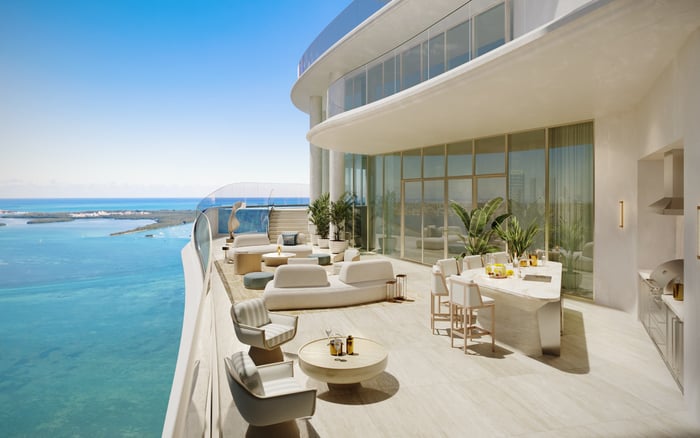
A buyer-focused editorial on how oceanfront exposure, branded-service expectations, amenities, reserves, insurance assumptions, and governance documents may shape long-term ownership costs at St. Regis® Residences Sunny Isles.
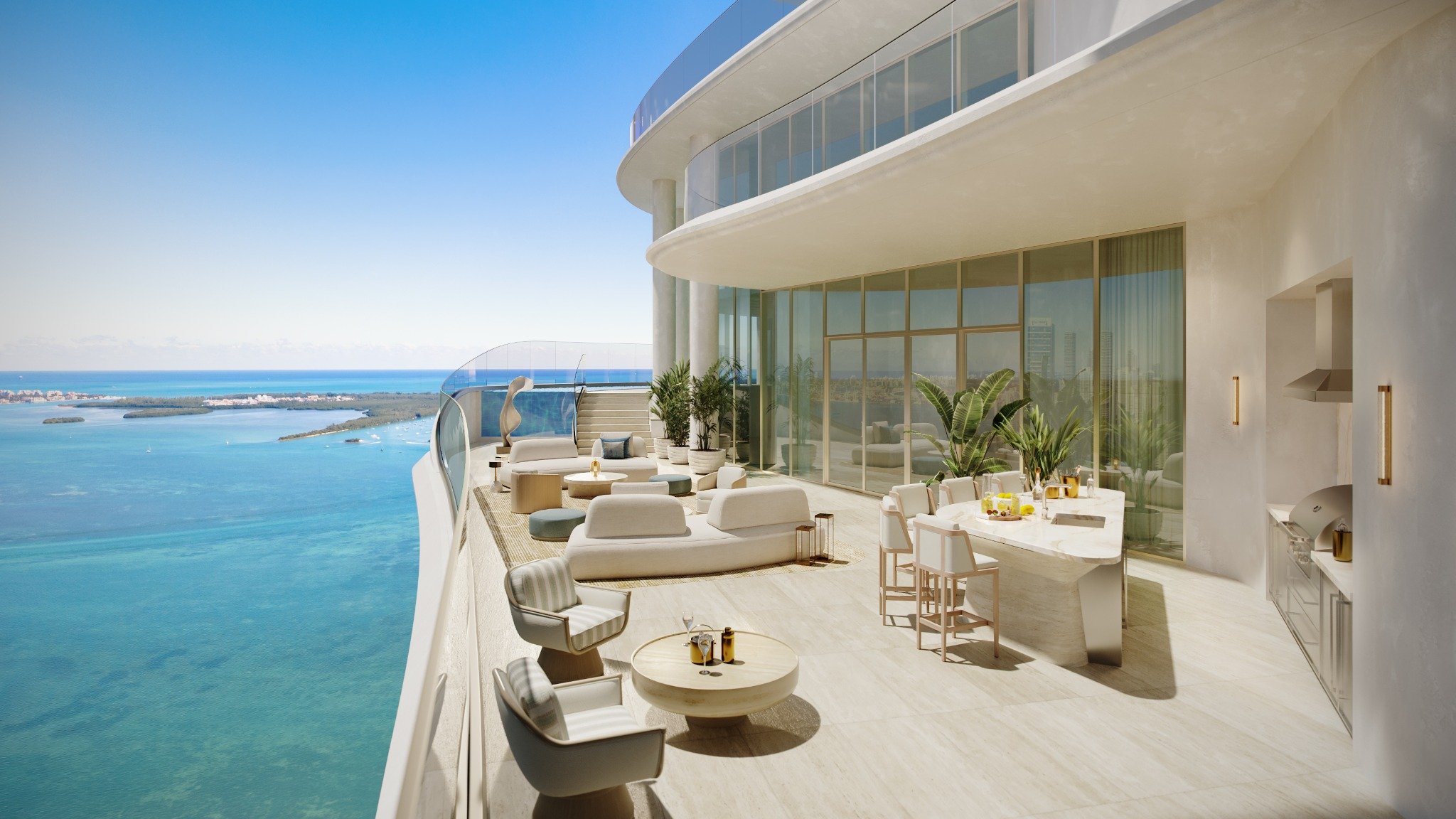
For many buyers, St. Regis® Residences Sunny Isles begins with the appeal of a globally recognized luxury name, an oceanfront lifestyle, and the expectation of a highly serviced private address. Yet the more sophisticated question is quieter: what will it cost to operate over time?
That question matters because acquisition price is only the first line of analysis. The longer ownership story is often written through monthly condominium maintenance, reserve funding, insurance-related expenses, governance decisions, and the possibility of future special assessments.
This article does not estimate dues, assessments, or future insurance costs. Those figures belong in the official condominium documents, budgets, and professional due diligence. Instead, it outlines the categories buyers should examine before treating any luxury branded residence as a complete investment thesis.
Oceanfront living carries a premium because it offers what cannot be reproduced: direct coastal setting, open horizon, salt air, and a daily relationship with the Atlantic. It also carries operating realities. Wind, sun, humidity, storm preparation, pool decks, glazing systems, exterior finishes, mechanical systems, landscaping, and common-area maintenance all become part of the long-term ownership equation.
At a large beachfront condominium, these obligations are rarely incidental. The physical scale of a luxury vertical property, combined with an amenity-rich service model, can point to meaningful maintenance and capital-replacement planning. Buyers should not treat these costs as surprises. They should treat them as part of the architecture of ownership.
This is why comparisons with other Sunny Isles residences should focus less on surface amenities and more on operating intensity. A buyer considering Bentley Residences Sunny Isles or The Ritz-Carlton Residences® Sunny Isles is not only comparing design language. The buyer is also comparing staffing philosophy, amenity scope, reserve discipline, insurance exposure, and how each property expects to preserve its standard over decades.
The St. Regis name is a meaningful part of the proposition. In branded residences, buyers are often drawn to service expectations, hospitality-influenced presentation, and a sense of continuity between private ownership and global luxury standards. That affiliation can elevate the experience, but it can also influence how a building operates.
The key diligence question is not whether branding is desirable. The question is how brand standards, service expectations, and any required presentation or capital programs may affect association budgets. A residence expected to maintain a particular level of arrival sequence, amenity condition, staffing, and common-area presentation may need budgets that reflect that standard.
This does not make the model unattractive. For the right buyer, it is precisely the point. The value lies in consistency, service, and curated daily life. But buyers should avoid assuming that branding is merely decorative. It can become operational, and operational decisions become financial decisions.
If a luxury project is structured as a residential condominium rather than a hotel-condominium, the review may be simpler than a mixed-use hospitality model. A buyer may have fewer questions about transient hotel operations, shared hotel facilities, and cost allocation between hotel and residential users.
Still, a residential structure does not automatically mean modest obligations. A large, amenity-intensive, branded condominium may require staffing, security, concierge-style coordination, valet or arrival management, amenity maintenance, administrative oversight, utilities, insurance, reserves, and ongoing capital planning.
In practical terms, buyers should ask how costs are allocated among residences, how common elements are defined, what services are mandatory, what services are optional, and how future boards will be expected to preserve the standard initially promised through the offering documents and brand framework.
The first document to study is the condominium budget. It should be reviewed not as a static estimate, but as a preview of the building’s operating philosophy. Look at staffing, service contracts, utilities, amenity operations, management costs, insurance assumptions, and the relationship between routine maintenance and reserve contributions.
The reserve schedule deserves equal attention. Oceanfront properties and high-rise towers have long-lived components that eventually require repair or replacement. Buyers should understand what is being reserved for, how funding is projected, and whether the approach appears aligned with the scale and exposure of the asset.
Governance documents are also central. The declaration, bylaws, rules, brand-related provisions, and association structure can define how decisions are made, who controls standards, what owners may or may not modify, and how costs are approved. In ultra-luxury ownership, governance is not boilerplate. It is the operating constitution of the building.
Insurance assumptions should also be scrutinized carefully. For waterfront high-rise condominiums, insurance-related expenses can be a substantial and evolving portion of the overall cost profile. Buyers should focus on what is included, what may change, and how deductibles or uninsured items could affect future association planning.
For the ultra-premium buyer, operating obligations should be evaluated with the same discipline as floor plan, view, and entry price. A lower monthly cost is not automatically better if it underfunds the property. A higher cost is not automatically negative if it supports service quality, asset preservation, and reserve discipline.
The real question is alignment. Does the expected carrying cost match the buyer’s intended use, holding period, tolerance for assessments, and desire for a highly serviced environment? A primary resident may value daily staffing and amenities differently than a seasonal owner. A long-term holder may focus more heavily on reserves and capital replacement.
This is especially important in a building where luxury is not limited to private interiors. When the address itself is part of the value proposition, the association’s ability to maintain the exterior, amenities, staffing, and brand-aligned experience becomes central to value preservation.
Is St. Regis® Residences Sunny Isles a purchase where operating costs matter as much as price? Yes. Buyers should evaluate future carrying costs alongside the acquisition price, floor plan, and view.
What operating obligations should buyers review first? The core items are monthly maintenance, reserve contributions, insurance-related expenses, service costs, and possible special assessments.
Why does oceanfront exposure matter for future costs? Oceanfront buildings can face elevated maintenance needs tied to salt air, wind, humidity, exterior systems, and storm preparation.
Can brand standards affect a condominium budget? They can. Service expectations, common-area presentation, staffing, and brand-related standards may influence how the association plans and spends.
Does a residential condominium structure remove hotel-style cost concerns? It may simplify certain questions, but it does not eliminate the cost of maintaining a luxury service environment.
Which documents should a buyer ask to review? Buyers should review the condominium budget, declaration, bylaws, rules, reserve schedule, insurance assumptions, and any brand-related operating provisions.
Are lower monthly costs always better for an owner? Not necessarily. A low budget may be a concern if it does not adequately support service quality, maintenance, reserves, or future capital needs.
How should seasonal owners think about operating obligations? Seasonal owners should still evaluate whether year-round staffing, amenities, security, and maintenance align with their intended use and budget tolerance.
Why do reserves matter in a luxury oceanfront building? Reserves help plan for future repair and replacement of major components, which is especially important in a high-exposure coastal setting.
What is the main takeaway for buyers? The best analysis treats operating obligations as part of the ownership strategy, not as an afterthought after contract signing.
For a tailored shortlist and next-step guidance, connect with MILLION.
If branded residences are on your mind — as a home or as an allocation — we would be glad to share what we are seeing, privately.
Begin a quiet conversation