A buyer-focused look at Park Grove Coconut Grove, where service culture, seasonal rhythm, governance, design, and Coconut Grove’s waterfront identity define ownership.

At the highest end of Coconut Grove, ownership is no longer defined only by square footage, views, or the finish of private interiors. The sharper question is how a building performs when owners are in residence, seasonal households return, guests arrive, and daily life needs to feel effortless without becoming theatrical. That is the lens through which Park Grove Coconut Grove should be read.
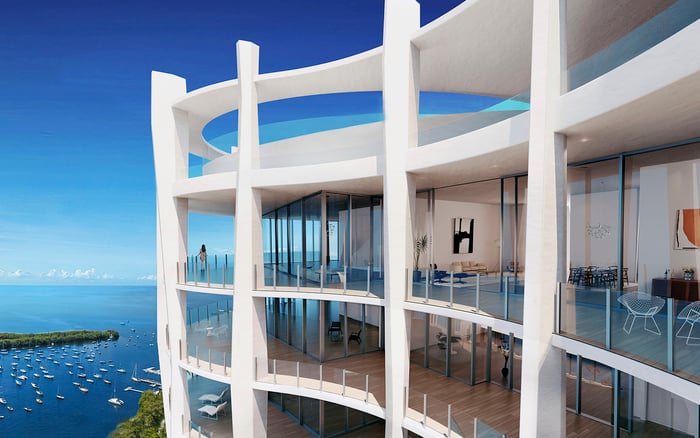
Park Grove is a luxury condominium community in Coconut Grove, Miami, positioned within the neighborhood’s east-facing waterfront market. It is not a single standalone tower, but a three-tower masterplan, which immediately changes the ownership equation. Scale allows for a broader residential experience, yet it also demands operational discipline. In a property like this, the best amenity is not always the pool, the gym, or the lobby. It is the consistency of the experience from morning to evening, from high season to quieter months.
Coconut Grove buyers often arrive with a distinct expectation: privacy without isolation, design without coldness, and service without the stiffness of a hotel. Park Grove’s relevance comes from its attempt to balance contemporary luxury language with the area’s leafy, residential identity.
Park Grove operates as a hospitality-forward condominium environment, closer in spirit to a five-star urban resort than to a conventional residential tower. That distinction matters. In a resort hotel, service is episodic and transactional. In a private condominium, service must become invisible, durable, and calibrated to owners who may live very differently from one another.
For a buyer, this means looking beyond the visible amenity package. The right questions are operational. How does the arrival sequence feel at peak hours? How are common areas cared for when many owners are in town? Does staffing feel proactive or merely present? Is programming thoughtful enough to support community without overwhelming privacy? These are not cosmetic questions. They affect daily satisfaction and, over time, perceived value.
Park Grove’s identity places service culture beside architecture and amenities rather than beneath them. That is an important signal. In South Florida’s luxury market, where many buildings can offer dramatic views and refined finishes, the distinction increasingly lies in how a property is run. The best residences age well not only because their design holds up, but because association standards, staffing, and service remain aligned.
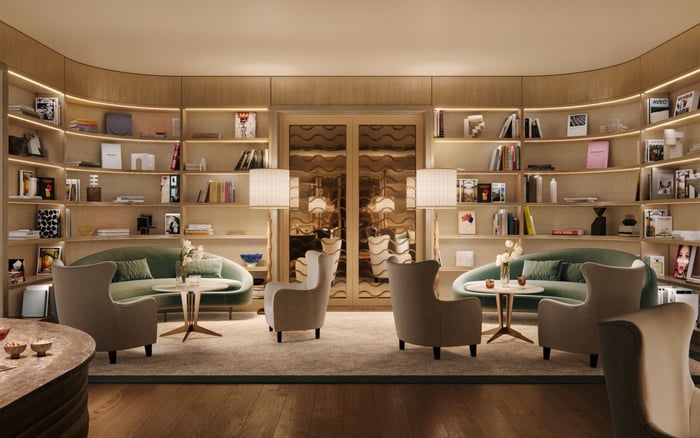
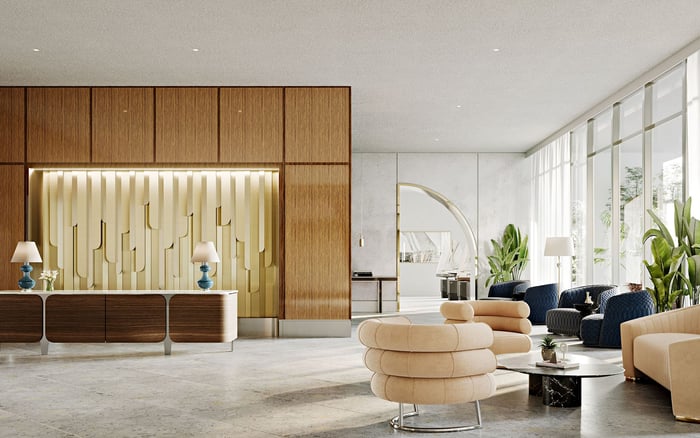
The three-tower structure gives Park Grove a different rhythm from boutique condominium living. A masterplan can support a more layered environment, with architecture, amenities, art, landscape, and community spaces treated as one integrated residential experience. The buyer is not simply purchasing within a building. The buyer is entering a residential ecosystem.
That ecosystem can be especially appealing to owners who value curation, programming, community spaces, water views, and generous private residences. It can also require a more sophisticated due diligence process. In a multi-tower luxury community, association governance and operational planning are not back-office concerns. They shape how the property feels, how decisions are made, and how standards are maintained.
This is where Park Grove differs from projects that rely primarily on novelty. Its concept emphasizes lifestyle curation and design identity rather than presenting luxury as a purely speculative proposition. That makes the ownership conversation more nuanced. Buyers should evaluate whether the service rhythm matches their own pattern of use, whether they are full-time residents, seasonal owners, or households moving between multiple properties.
Park Grove was conceived during Coconut Grove’s evolution from a lower-rise, bohemian waterfront enclave into a more curated luxury residential submarket. That transformation is central to its appeal. The Grove has not become Brickell, nor has it tried to mimic Miami Beach. Its value proposition is softer, more residential, and more rooted in canopy, water, and a village-like pace.
That is why Park Grove’s balance is so important. International high-design language can feel misplaced if it ignores the Grove’s texture. The stronger approach lets architecture, interiors, landscape, and art operate within the neighborhood’s natural character rather than against it. Park Grove’s development vision points in that direction, treating the built environment and the landscape experience as part of the same residential idea.
Nearby luxury conversations reinforce the point. Four Seasons Residences Coconut Grove speaks to the appetite for branded service in the neighborhood, while Mr. C Tigertail Coconut Grove reflects the Grove’s growing comfort with hospitality-informed residential living. Park Grove sits within this wider shift, but its scale and masterplan identity give it a distinct ownership character.
The most important due diligence at Park Grove may be observational. Buyers should visit at different times, not only during a polished showing window. Morning movement, valet cadence, lobby atmosphere, elevator flow, amenity usage, and weekend energy all reveal how a building actually lives.
Seasonality is particularly important. The ownership experience is shaped by recurring seasonal and daily occupancy patterns. In South Florida, high season can transform even the most composed building. A property that feels serene in late summer may feel more animated in winter. That is not a flaw. It is part of the ownership rhythm. The question is whether the building’s service culture absorbs that change elegantly.
For a buyer comparing Park Grove with other premium Grove addresses, the issue is not whether one property is universally better. It is whether the operational tempo fits the household. The Well Coconut Grove may appeal to wellness-oriented buyers, while Arbor Coconut Grove brings another expression of Grove residential living. Park Grove’s specific strength is the scale of its curated environment and the importance placed on service as a central part of the residential promise.
For advisors, Park Grove should be evaluated through a wider frame than the usual checklist. Pools, gyms, unit finishes, and views matter, but they are only part of the story. Operations, staffing, programming, and association governance deserve equal attention.
This is especially true for ultra-premium buyers who expect a building to function seamlessly when they are not thinking about it. A second-home owner may care deeply about arrival, security, maintenance coordination, and the feeling of immediate readiness. A full-time resident may be more sensitive to everyday noise, guest policies, community culture, and the way common spaces are shared. Both buyers are evaluating the same property, but they are experiencing it through different rhythms.
Park Grove also competes with top-tier Coconut Grove and broader Miami luxury residential properties. That competitive set should not be reduced to price or view corridors. A more precise comparison looks at lifestyle structure. Does the buyer want resort-like services in a residential Grove setting? Does the buyer value a masterplanned community over a more intimate building? Does the buyer prefer a design-forward property that still feels grounded in landscape and neighborhood character?
Park Grove Coconut Grove is most compelling when understood as a service-led, design-conscious residential community rather than as a conventional condominium asset. Its three towers, waterfront positioning, integrated amenities, art, landscape, and community spaces create a layered environment. But the lasting ownership value depends on the rhythm behind those elements.
The right buyer is likely to appreciate curation, privacy, water views, shared spaces, and the subtle choreography of daily service. The wrong buyer may focus only on the visible amenities and miss the deeper question: whether the property’s operating culture aligns with how they actually live.
In that sense, Park Grove is a test case for modern Coconut Grove luxury. It reflects the neighborhood’s move upmarket while preserving the desire for greenery, discretion, and residential calm. Its best expression is not loud. It is measured, staffed, landscaped, and carefully tuned.
What is Park Grove Coconut Grove? Park Grove Coconut Grove is a luxury condominium community in Coconut Grove, Miami, positioned within the area’s east-facing waterfront market.
Is Park Grove one building or a larger community? Park Grove is a three-tower masterplan rather than a single standalone condominium building.
What defines the ownership experience at Park Grove? Ownership is shaped by architecture, amenities, art, landscape, community spaces, service culture, and recurring seasonal patterns.
Why does service culture matter so much here? Park Grove is hospitality-forward, so staffing, operations, programming, and daily consistency are central to the residential experience.
What should buyers evaluate beyond unit finishes? Buyers should consider operations, staffing, association governance, amenity rhythm, privacy, and how the community functions during peak occupancy.
How does Park Grove relate to Coconut Grove’s identity? It reflects Coconut Grove’s shift toward curated luxury while seeking to preserve the neighborhood’s leafy, residential character.
Who is the likely Park Grove buyer? The likely buyer values curation, programming, community spaces, water views, square footage, and a refined but residential service environment.
Is Park Grove more resort-like or residential? Its positioning leans hospitality-forward, but the intent is a private residential environment rather than a transient hotel atmosphere.
How should seasonal owners think about Park Grove? Seasonal owners should study arrival experience, maintenance support, staffing consistency, and how the property feels during high-demand periods.
Does Park Grove compete only within Coconut Grove? Park Grove competes with top-tier Coconut Grove properties and broader Miami luxury residences that appeal to similar high-end buyers.
To compare the best-fit options with clarity, connect with MILLION.
If branded residences are on your mind — as a home or as an allocation — we would be glad to share what we are seeing, privately.
Begin a quiet conversation