A buyer’s framework for separating advertised arrival services from enforceable obligations at Six Fisher Island, with focused questions on transfer windows, luggage custody, residence preparation, and service continuity.
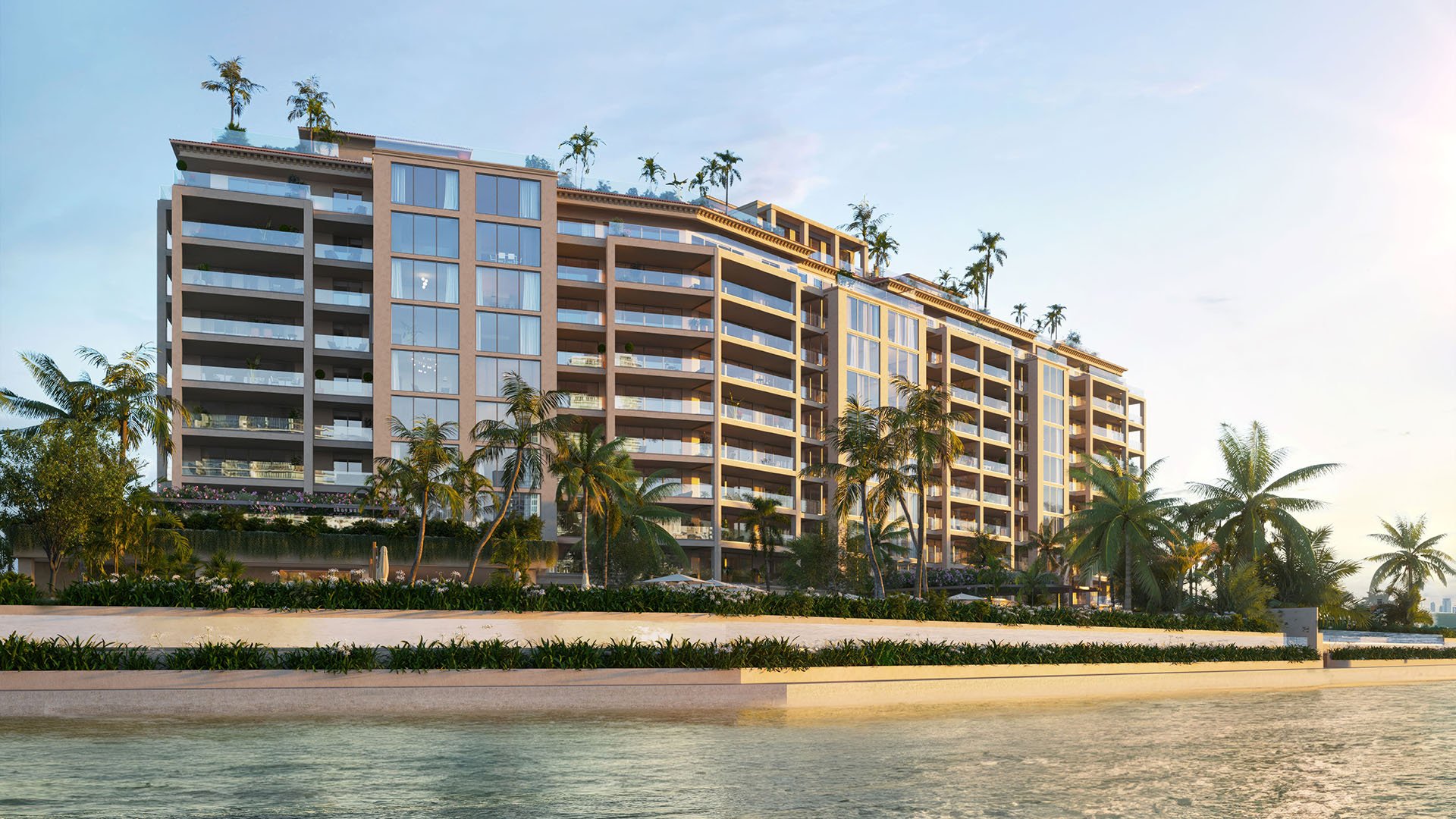
For a private-aviation household, arrival is not complete when the aircraft lands. It is complete when the family is inside, luggage is accounted for, and the residence is ready to use. At The Residences at Six Fisher Island, the essential diligence question is who takes responsibility for each stage between those moments.
Advertised amenities include a house tender connecting the island with off-island destinations, including Miami Beach and Watson Island Heliport, and a house car for onward connections from the tender. Three residential lobbies, each with a full-time concierge, complement a 24-hour residential butler and dedicated concierge coordinating in-residence services. An on-site general manager is described as overseeing daily operations.
These are meaningful components of an arrival experience, but they do not establish an end-to-end aviation service. Buyers should distinguish among the amenity, the operating procedure, and the enforceable obligation. The questions below seek confirmation; they are not assurances that each proposed service exists.
Begin with a written allocation of responsibility. Ask counsel to classify each service as a contractual obligation, association service, club benefit, third-party engagement, or discretionary concierge arrangement. A single itinerary may involve several categories, each with different payment terms and remedies.
Keep ferry transportation separate from the house tender. Fisher Island ferry transportation is operated by the Fisher Island Transportation Department at an additional cost not paid by the developer. Certain island recreational, dining, lodging, shopping, educational, and medical facilities are also available at residents’ own cost. Their presence does not establish condominium ownership or inclusion in condominium charges.
Service continuity deserves particular attention. Association-operated services, including an exclusive car and boat, are conditional on continued association ownership, operation, and management. Ask whether the association can reduce, outsource, or discontinue services, what approvals would be required, and whether owners receive notice or any remedy.
For buyers also considering Palazzo del Sol Fisher Island, apply the same classification exercise independently. Do not carry a service expectation from one property into another property’s purchase documents.
The tender and private car are advertised as available “at all times.” That wording is not a guaranteed departure schedule, immediate dispatch, or fixed transfer time. Counsel should identify any enforceable timing commitment; management should explain how reservations work in practice.
Request written answers on operating hours, booking lead times, passenger and luggage capacity, charges, cancellation terms, and suspension policies. Ask what happens when an aircraft lands early, arrives late, or diverts. Clarify whether a revised arrival time preserves the reservation or requires a new booking.
The Watson Island Heliport connection does not establish included aircraft charter, ramp handling, customs clearance, or airport-to-residence luggage service. Any aviation component should be assigned to a named operator under separately confirmed terms where necessary.
For travel-day coordination, request a single written aircraft-to-residence plan identifying every operator, transfer point, contact, and escalation route. Ask management who monitors changes and who can authorize an alternative arrangement. A contact who can take a message is not necessarily empowered to resolve a missed connection.
Document luggage handling as carefully as passenger transport. Ask where custody begins and ends for each party, whether bags travel with the owner, and who confirms delivery inside the residence. If handling is available, request a procedure that records each transfer rather than relying solely on a final verbal assurance.
Counsel should review applicable insurance limits, exclusions, indemnities, and loss-or-damage procedures. Ask how valuable or fragile items are treated, whether declarations are required, and which party receives a claim when responsibility is disputed. Do not assume transport coverage extends to temporary storage or placement inside the home.
If bags may arrive before the owner, management should confirm whether unattended delivery is permitted. Request details on authorization, identification tags, secure storage, access logs, and release instructions. The owner’s household team should know who may change those instructions.
Private elevator foyers and direct private-elevator access are promoted, while arrival facilities include a porte cochère and lobby. These features do not, by themselves, establish permission for staff or outside handlers to enter a residence. Confirm access authority separately from the luggage itinerary.
A 24-hour butler and dedicated concierge can support coordination, but their advertised presence does not establish a detailed, binding pre-arrival readiness standard. Ask management to agree on what “ready” means for the particular home, how completion is checked, and which tasks require outside vendors or additional payment.
Request a signed checklist covering temperature, lighting, cleaning, linens, provisions, luggage placement, technology, security, and maintenance. Each item should have an agreed completion window and a responsible person. Ask how substitutions, unresolved defects, and incomplete work will be communicated before the household begins its final transfer.
Select residences include private pools and outdoor kitchens. Where applicable, request residence-specific preparation and maintenance checks rather than assuming a general interior checklist covers these spaces. Confirm who can authorize corrective work and how spending approvals are obtained when the owner is in flight.
Second-home arrival planning should also address entry permissions between visits. For a buyer evaluating Palazzo della Luna Fisher Island alongside Six Fisher Island, compare the documented scope of preparation and accountability rather than assuming equivalent staffing or service rights.
Ask management to walk through weather disruption, unavailable transport, after-hours arrival, and a residence that fails its readiness check. For each scenario, request the alternative route or arrangement, decision-maker, notice procedure, and allocation of additional costs. Confirm the fallback rather than inferring one from the availability of a concierge.
Secure luggage storage merits its own contingency. If passengers proceed by another route, establish whether bags can remain protected, who retains custody, and how later delivery is authorized. Ask whether accommodation can be arranged if the home is not ready, without assuming it is included or guaranteed.
Before relying on the arrival experience, seek a service-rights review from counsel, a confirmed travel-day plan from management, and an agreed residence-readiness checklist. Together, these documents should identify who is responsible, what is payable, what can change, and where the owner turns if performance falls short.
The most persuasive luxury is a quiet arrival with clear accountability behind it. Define that outcome in advance; the language of availability does not supply it on its own.
For a discreet perspective on South Florida residential ownership, explore MILLION.
If branded residences are on your mind — as a home or as an allocation — we would be glad to share what we are seeing, privately.
Begin a quiet conversationThe advertised tender connection to Watson Island Heliport does not establish included aircraft charter, ramp handling, customs clearance, or airport-to-residence luggage service.
No guaranteed departure schedule or transfer time should be inferred from that wording. Ask management for reservation rules, operating hours, charges, and disruption procedures.
Ferry transportation is operated by the Fisher Island Transportation Department at an additional cost not paid by the developer. It should be considered separately from the house tender.
Counsel should distinguish contractual obligations from association services, club benefits, third-party contracts, and discretionary arrangements. The review should also address fees, liability, continuity, and remedies.
Request every operator, transfer point, coordination contact, and escalation route, together with procedures for delays or diversions. Confirm who can authorize alternative arrangements.
That permission is not established by the advertised amenities. Ask management about unattended delivery, authorization, tagging, secure storage, access logs, and release controls.
Responsibility needs to be established for each handoff rather than assumed. Counsel should review custody terms, insurance limits, exclusions, indemnities, and claims procedures.
It supports service coordination but does not establish a detailed, binding pre-arrival readiness standard. Request an agreed checklist with completion windows and a responsible signatory.
Select residences include private pools and outdoor kitchens. Owners should request preparation and maintenance checks specific to those features, with clear authorization for corrective work.
Their availability is tied to continued association ownership, operation, and management. Ask counsel what powers exist to reduce, outsource, or discontinue them and what notice or remedies apply.