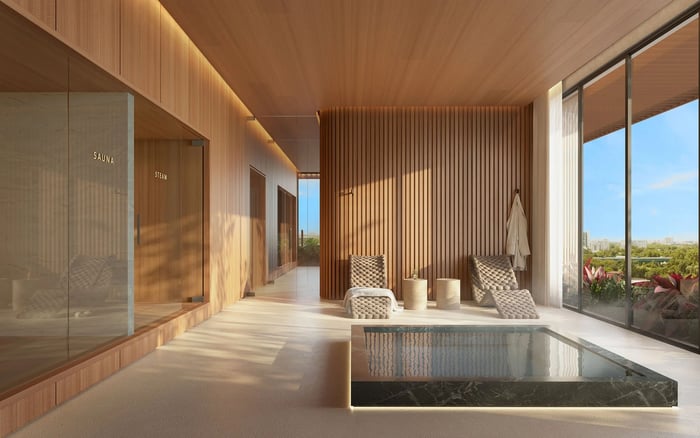
A discreet, family-focused guide to evaluating Kempinski Residences Miami Design District, from daily routines and layout questions to school commutes, policies, and long-term flexibility.
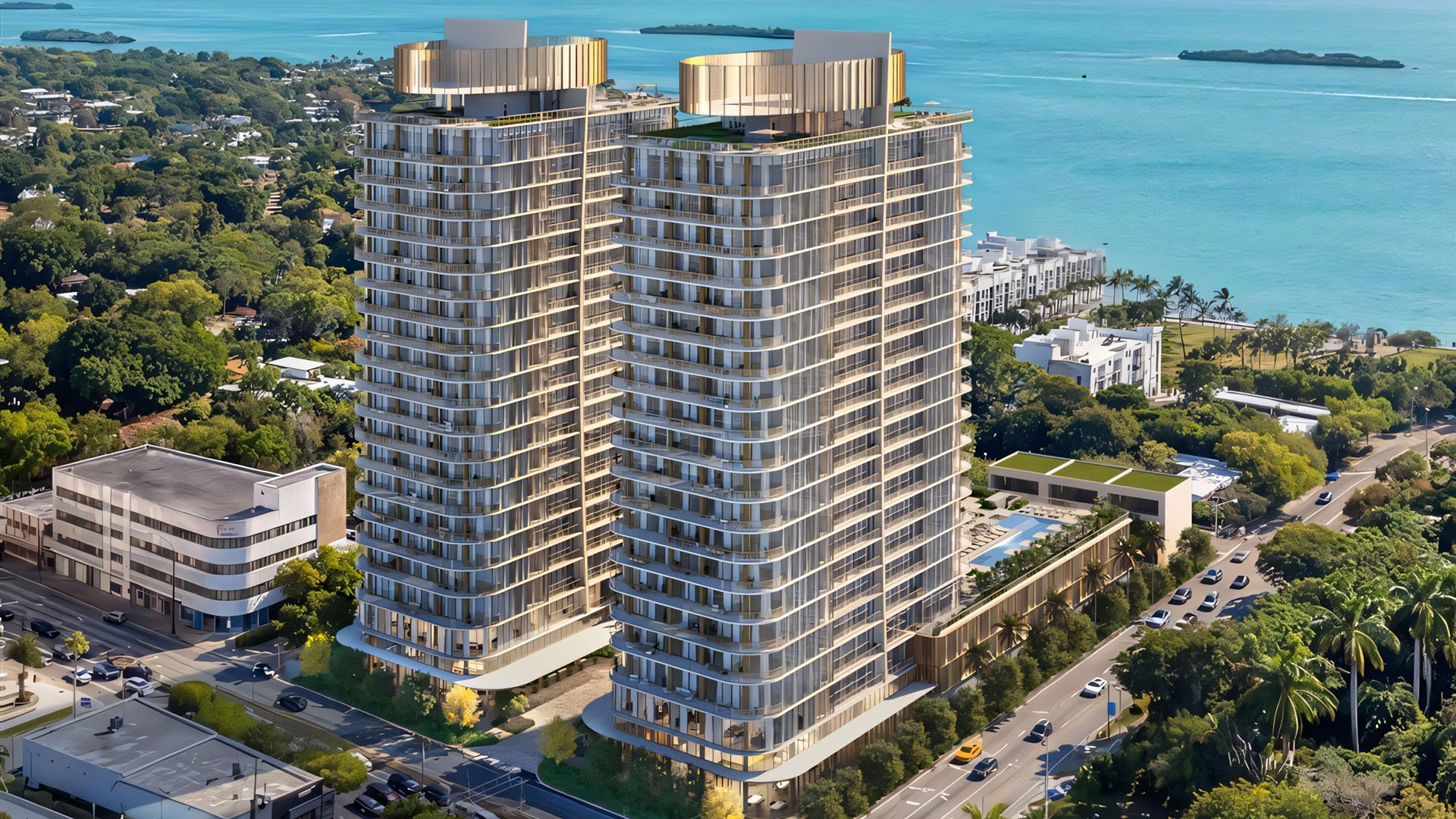
For a family considering Kempinski Residences Miami Design District, the first conversation should not begin with finishes or views. It should begin with rhythm. How does the household move before school, after practice, during holidays, and on evenings when one parent is entertaining clients while another wants quiet at home?
The Miami Design District proposition is urban and design-led. For some families, that is precisely the appeal: a curated daily environment, a shorter distance between home and culture, and the feeling of living in a neighborhood with a defined point of view. For others, the practical questions will matter more than the mood. A luxury residence can be exquisite, but if the elevator routine, storage plan, service protocol, and school commute do not support family life, the address will feel decorative rather than livable.
Treat Kempinski as a New Project to be evaluated with the discipline of any important private acquisition. The brand may shape the emotional pull, but families should focus on how the home performs under pressure.
A family floor plan needs more than square footage. It needs zones. Parents should study bedroom separation, acoustic privacy, morning circulation, and whether a secondary bedroom can function as a true child’s room rather than an occasional guest suite. If a household includes a nanny, tutor, frequent grandparents, or older children, the plan should be assessed for independence as much as togetherness.
Terrace space deserves particular attention. A Terrace can be a graceful extension of the living room, but families should ask about door hardware, railing conditions, furniture allowances, and supervision needs. The goal is not to diminish the pleasure of outdoor living; it is to understand how it works with children, pets, guests, and weather.
Storage is another quiet luxury. Strollers, sports equipment, holiday luggage, school projects, and bulk household supplies require real space. If the residence relies on minimal closets and flawless staging, it may photograph beautifully while living less generously.
Families should ask how the building intends to manage arrivals, staff access, package delivery, food delivery, guest registration, and vendor scheduling. In a high-service residence, the line between elegant and intrusive often comes down to operating culture. Parents may want convenience, but they also want predictability.
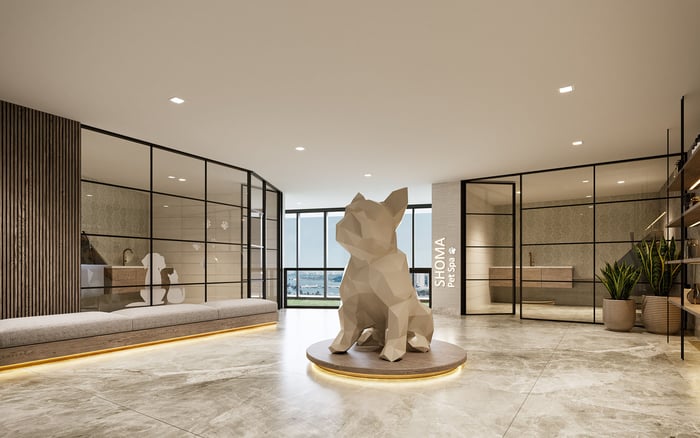
Pet policies should be addressed early, not after a contract is reviewed. They can affect elevator use, common-area access, deposits, grooming routines, and the comfort of neighbors. The same applies to children’s guests, after-school caretakers, tutors, and visiting relatives. A building that is serene for adults can still welcome family life, provided the rules are clear.
The Pool environment is another useful test. Families should understand hours, guest rules, supervision expectations, food and beverage policies, and whether the atmosphere is intended to be quiet, social, resort-like, or more residential. The best luxury buildings do not leave these details ambiguous.
The school question is rarely just about distance. It is about timing, traffic tolerance, backup drivers, after-school activities, and whether the family’s weekly geography points north, south, east, or west. A parent working in Brickell may experience the address differently from one whose office life is Downtown, in Miami Beach, or largely remote.
Families comparing the Design District with a more established financial-core routine may also consider 2200 Brickell or The Residences at 1428 Brickell, not because one address is universally better, but because daily movement can reshape quality of life. Brickell can suit households that want proximity to a dense business environment, while the Design District may appeal to buyers who prefer a different residential cadence.
Private-school planning should include morning drop-off, athletics, arts programs, weekend events, and the social geography of classmates. The most elegant home can feel poorly placed if every day begins with a commute no one wants to repeat.
The right comparison set should be based on lifestyle, not merely price. A family seeking a more village-like residential feeling might study Arbor Coconut Grove as a contrast to a more urban Design District choice. A household focused on wellness language and a quieter island setting may look at The Well Bay Harbor Islands. Buyers drawn to a high-profile Miami address with a different waterfront context may review The Residences at Mandarin Oriental, Miami.
These comparisons are useful because they reveal priorities. Does the family want walkability or calm? Hotel-style service or residential discretion? Immediate neighborhood energy or a more retreat-like setting? There is no single correct answer. There is only the answer that remains comfortable on an ordinary Tuesday morning.
Families should diligence carrying costs with the same care they bring to architecture. Monthly expenses, reserve expectations, insurance posture, parking arrangements, storage, and service-related charges can shape the true ownership experience. A larger residence with the wrong cost structure may feel less appealing than a more efficient home with predictable obligations.
Pre-construction and New-construction decisions also require patience. Buyers should ask about deposit structure, estimated timing, material allowances, customization windows, and what happens if family needs change before delivery. A couple with one young child today may require a different configuration by the time they take possession.
Resale should be considered discreetly, even when the intention is long-term ownership. The most resilient family residences tend to offer flexible bedroom use, strong privacy, practical parking, convincing storage, and a location that makes sense to more than one buyer profile.
Kempinski Residences Miami Design District should be judged as both an address and an operating system. The question is not simply whether the project feels luxurious. The better question is whether it can absorb the intensity of family life without losing its elegance.
For the right household, the appeal may be substantial: a refined brand environment in a neighborhood with a clear identity, evaluated through the lens of privacy, service, and daily ease. For the wrong household, the same qualities may feel too urban, too structured, or too dependent on rules that do not match the family’s instincts. The smartest buyers will move through the decision slowly, with their real calendar in mind.
Is Kempinski Residences Miami Design District a family-oriented choice? It can be, if the residence plan, building rules, and daily commute fit the household’s rhythm.
What should parents review first? Start with bedroom separation, storage, elevator flow, parking, school commute, and guest policies.
Should families ask about pet rules before reserving? Yes. Pet policies can affect daily routines, elevator use, deposits, and common-area comfort.
How important is terrace safety? Very important. Families should review access, railing conditions, furniture rules, and supervision needs.
Is a branded residence automatically easier for families? Not automatically. Service quality helps only when policies and operations support family life.
How should buyers compare Design District with Brickell? Compare weekday movement, school routes, office access, dining habits, and preferred neighborhood energy.
What questions matter for pre-construction buyers? Ask about timing, deposit structure, customization options, carrying costs, and changes to family needs.
Should resale matter if the family plans to stay long term? Yes. Flexible layouts and practical daily features can protect future optionality.
What amenities should families examine most closely? Pool rules, children’s guest policies, fitness access, delivery systems, and private event procedures matter.
What is the best way to decide if the address fits? Map an ordinary school week, then test whether the residence supports that routine gracefully.
For a tailored shortlist and next-step guidance, connect with MILLION.
If branded residences are on your mind — as a home or as an allocation — we would be glad to share what we are seeing, privately.
Begin a quiet conversation