A discreet buyer’s guide to the privacy questions that matter before touring Four Seasons Hotel & Private Residences Fort Lauderdale, from arrival routing to data retention and staff discretion.
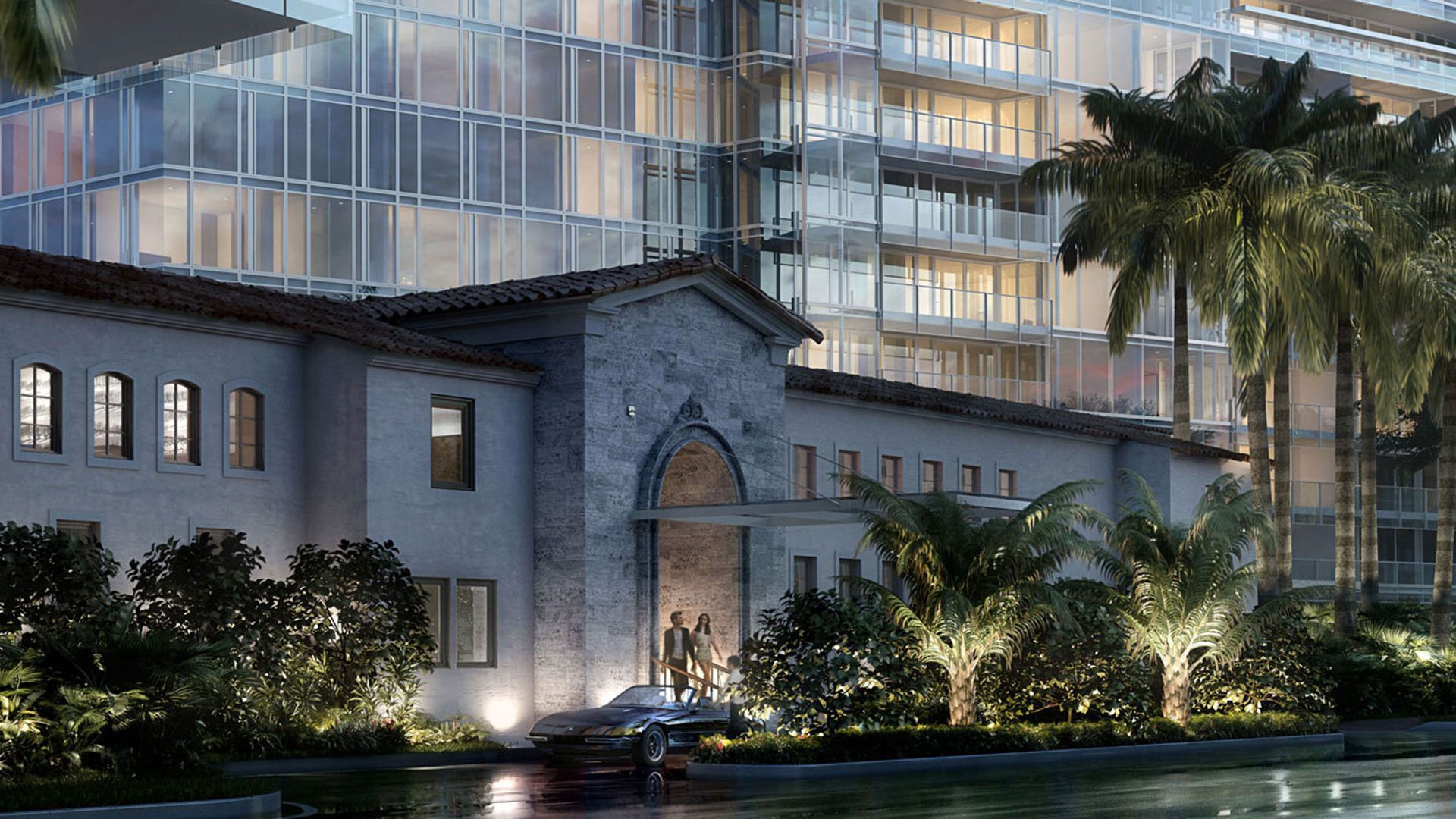
At Four Seasons Hotel & Private Residences Fort Lauderdale, the privacy conversation should begin before a buyer ever steps inside the model residence. A hotel-and-private-residences concept promises service, hospitality, and brand-level polish, but it also raises a more exacting question: where does the public-facing hotel experience end, and where does the private residential world begin?
For a high-profile buyer, privacy is not a vague lifestyle preference. It is a practical matter involving arrival choreography, elevator routing, staff knowledge, camera exposure, visitor logs, data retention, and the enforceability of written policies. The model residence tour is therefore more than a design preview. It is an early audit of access-control culture.
This is especially relevant in Fort Lauderdale, where waterfront living, resort-style service, and branded residential offerings increasingly overlap. Buyers comparing Auberge Beach Residences & Spa Fort Lauderdale, The Ritz-Carlton Residences® Fort Lauderdale, and Four Seasons should look beyond finishes and views. The sharper question is how each property protects anonymity before, during, and after ownership.
In practical search language, this is a Fort Lauderdale, Broward, condo-hotel, and new-construction conversation as much as it is a design conversation. The most sophisticated buyers will treat privacy as part of due diligence, not as a favor granted by a sales team.
Discretion starts with the first call, email, or broker introduction. Ask who receives your name, phone number, entity name, broker relationship, family-office contact, and preferred tour time before you arrive. A serious privacy protocol should limit internal disclosure to the people who truly need the information.
Buyers should also ask whether they may tour under an entity, representative, or privacy-preserving identity structure. This matters for principals who do not want their personal name visible on appointment calendars, lobby instructions, valet logs, or internal communications.
A refined sales process should be able to explain how appointments are scheduled, whether overlapping tours are avoided, and whether a buyer can enter and exit without unnecessary exposure in hotel-facing areas. The answer should be specific, not merely reassuring.
Before touring, ask which arrival route is used. Does it move through a hotel lobby, shared amenity zone, restaurant-facing space, garage area, or public corridor? Are there dedicated residential entrances, elevators, parking access points, or service routes distinct from hotel guests and event attendees?
This is where a hotel-and-residence concept deserves extra scrutiny. Hotel guests, restaurant patrons, event attendees, vendors, delivery personnel, and service providers may all move through parts of the property. A buyer does not need to reject shared hospitality environments, but should understand precisely how residential privacy is separated from guest circulation.
If a private arrival can be coordinated for the tour, ask whether similar arrangements are available after purchase. A discreet tour should not be a one-time courtesy. It should preview the daily operating standard.
Security and privacy overlap, but they are not the same. Security asks whether someone can enter. Privacy asks who can see, identify, record, discuss, track, or infer your presence.
Ask about camera coverage in arrival areas, elevators, corridors, amenity zones, garage areas, and the model residence itself. Then ask the more important follow-up questions: who can access the footage, how long it is retained, and whether it can be shared with hotel management, residence management, vendors, law enforcement, insurers, or third parties.
The same logic applies to license-plate recognition, valet logs, visitor logs, delivery logs, and elevator access records. These systems can make a building feel seamless, but they also create a data trail. For a privacy-sensitive owner, the existence of a log matters less than the policy governing it.
Buyers looking at other branded or service-intensive residences, including St. Regis® Residences Bahia Mar Fort Lauderdale, should apply the same lens. The higher the service promise, the more important it becomes to understand what information is collected and who controls it.
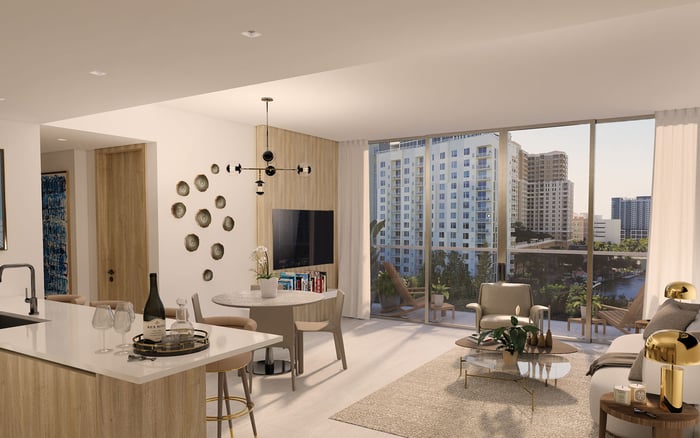
A staged model residence can contain more technology than a buyer notices at first glance. Ask whether there are cameras, microphones, voice assistants, connected appliances, smart-home devices, keyless-entry systems, Wi-Fi networks, concierge apps, or building-management systems that could capture activity during the tour.
This is not paranoia. It is modern due diligence. A residence can be exquisitely designed and still raise practical questions about digital footprints. If the model residence demonstrates smart-home functionality, ask what data is collected, whether demo devices are connected to live accounts, and whether tour activity is stored in any way.
If the answer is unclear, that is useful information. The issue is not whether a building uses technology. The issue is whether management can articulate how that technology respects resident privacy.
In ultra-premium residential service, privacy often depends on staff culture. Ask whether team members receive specific training on discretion, non-disclosure, photography restrictions, social media conduct, and protocols for high-profile residents.
The best question is simple: where is this written? Verbal assurances are pleasant, but written policies are what buyers and their advisors can review. Ask to see the relevant condominium documents, management agreement, house rules, owner handbook, or privacy and data-handling policies.
For many buyers, the key distinction is between a building that says it is discreet and a building that has operationalized discretion. Written rules create expectations for front desk staff, valet teams, housekeeping, maintenance personnel, vendors, and management.
The model tour should lead naturally to post-purchase questions. How are guests screened? How are vendors admitted? What happens when maintenance needs access? How are deliveries handled? What is the procedure for housekeeping or in-residence service appointments?
Ask whether owners can request enhanced privacy protocols, such as private arrivals, alias handling, limited staff disclosure, or coordination with personal security details. A buyer with public visibility, family-office structures, or sensitive travel patterns should raise these issues early, not after a contract is signed.
This framework is also useful beyond Fort Lauderdale. A buyer comparing Four Seasons Residences Coconut Grove with coastal Broward options may discover that privacy expectations vary significantly by building structure, service model, and management culture.
The most important takeaway is to ask for written policies, not soft assurances. Privacy is physical, visual, acoustic, behavioral, digital, and legal. It lives in architecture, staffing, software, documents, and habits.
A polished model residence can impress in minutes. A privacy culture reveals itself more quietly: how the appointment is handled, how many people know you are coming, where you are routed, whether cameras are explained, whether staff avoid unnecessary familiarity, and how follow-up communications are managed.
For the right buyer, Four Seasons Hotel & Private Residences Fort Lauderdale may be part of a highly refined South Florida lifestyle. The right due diligence simply ensures that refinement extends to the one luxury that cannot be replaced once lost: discretion.
Why should privacy be discussed before touring the model residence? The tour is the first practical test of how the building handles identity, access, staff behavior, and data exposure.
What is the first privacy question to ask the sales team? Ask who will know your name, contact information, broker relationship, entity name, and appointment timing before arrival.
Should a buyer ask for a private arrival route? Yes. Ask whether the tour route avoids hotel-facing areas, shared lobbies, public corridors, and unnecessary exposure.
Are dedicated residential entrances and elevators important? They can be important because they help separate resident circulation from hotel guests, event attendees, and other visitors.
What should buyers ask about cameras? Ask where cameras are located, who can access footage, how long footage is retained, and when it may be shared.
Do smart-home systems create privacy concerns? They can. Ask whether connected devices, apps, Wi-Fi, keyless entry, or building systems collect usage data.
Should privacy promises be in writing? Yes. Ask for condominium documents, house rules, owner handbooks, or policies addressing confidentiality and data handling.
What staff protocols matter most? Look for training on discretion, non-disclosure, photography restrictions, social media conduct, and high-profile owner handling.
Does the model residence itself need privacy review? Yes. Ask whether it contains cameras, microphones, voice assistants, connected appliances, or staged smart-home devices.
Can high-profile owners request enhanced protocols? Ask whether the building can accommodate private arrivals, alias handling, limited staff disclosure, and coordinated security details.
When you're ready to tour or underwrite the options, connect with MILLION.
If branded residences are on your mind — as a home or as an allocation — we would be glad to share what we are seeing, privately.
Begin a quiet conversation