A discerning comparison of three distinct wellness propositions: nature-led calm, boutique beachfront privacy, and technology-enabled hospitality in the Surfside and North Beach market.
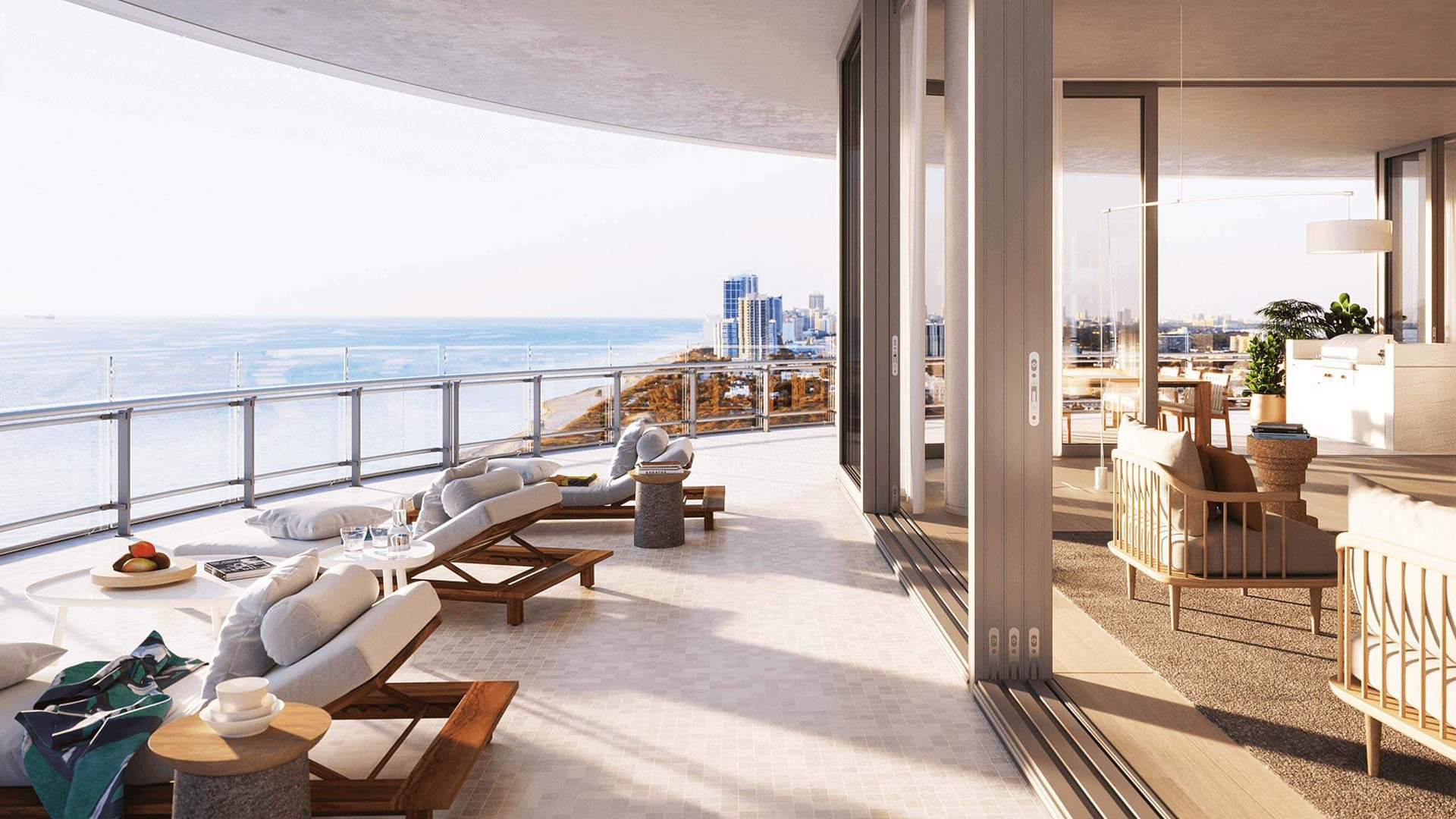
Wellness in luxury residential design is no longer defined by the presence of a spa or fitness room. For discerning buyers, the more consequential question is whether a building supports healthier, calmer routines throughout the day. Landscape, beach access, privacy, technology, service, and operational discipline can all shape that experience, but in markedly different ways.
Along the Surfside and North Beach coastline, Eighty Seven Park Surfside, Ocean House Surfside, and The Delmore Surfside present three distinct propositions. The first is grounded in nature and the continuity between indoors and out. The second interprets wellness through intimate beachfront living. The third brings technology, amenities, and hospitality-oriented operations into a more managed framework.
This is not a contest over which property has the longest amenity menu. It is a question of fit. The most persuasive choice is the one whose setting and operating philosophy align with how a buyer intends to live.
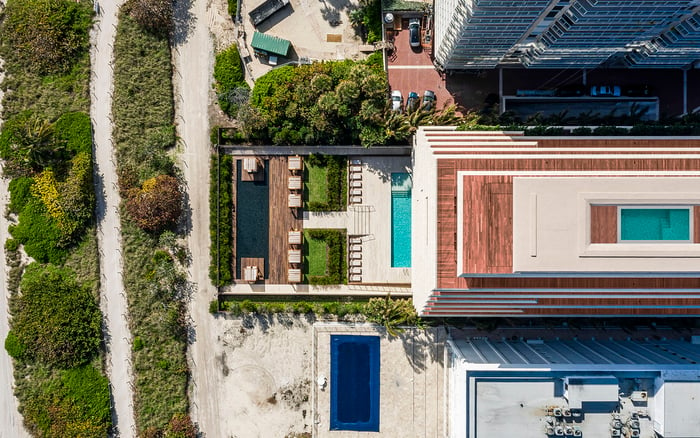
Eighty Seven Park represents the most nature-driven concept in this comparison. Its park-adjacent setting makes greenery part of the resident experience rather than relegating landscape to decorative scenery or an occasional amenity.
The design proposition emphasizes calm and continuity between indoor and outdoor environments. That distinction matters. A dedicated wellness room may be used on a schedule; access to landscape can shape arrival, outlook, movement, and moments of pause throughout the day. For buyers who value restorative surroundings and a quieter rhythm, this integration may carry greater weight than a broad program of services.
Of the three, Eighty Seven Park is the strongest conceptual fit for nature-centered living. It should, however, be considered within the broader Surfside and North Beach comparison rather than assumed to sit within Surfside proper. Location precision remains important when assessing neighborhood routines, access, and long-term preferences.
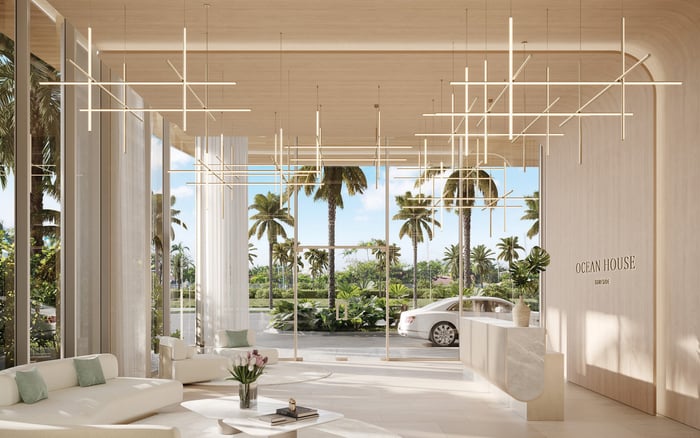
Ocean House Surfside presents a boutique interpretation of beachfront wellness. Its oceanfront context places everyday beach access at the center of the proposition, making the shoreline part of ordinary life rather than a special excursion.
The project distinguishes itself through residential intimacy rather than the scale of a large resort-style complex. That may appeal to buyers who regard privacy, calm, and a smaller-scale environment as essential luxuries. In this model, wellness is less about highly orchestrated programming and more about reducing friction between the residence, the beach, and moments of retreat.
For an oceanfront buyer, scale deserves close attention. A more intimate property can feel composed and personal, but the experience ultimately depends on circulation, staffing, access protocols, and the management of shared spaces. Those operational details should be weighed alongside the emotional appeal of direct coastal living.
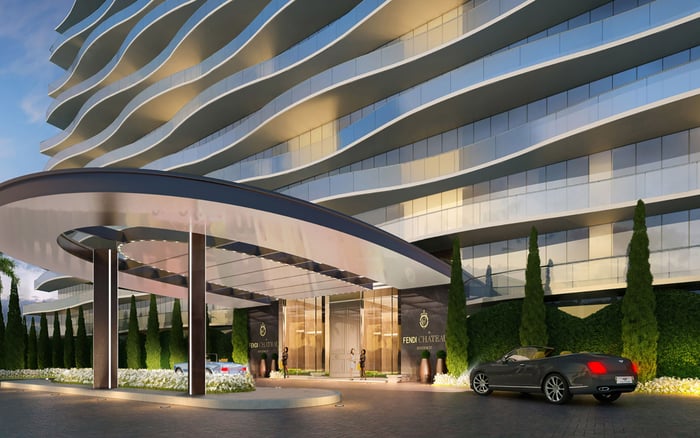
The Delmore Surfside offers the comparison’s most technology-forward approach. Its concept combines residential wellness with hospitality-oriented service and operations, integrating amenities, technology, and management rather than relying on nature alone.
This is the clearest fit for buyers seeking a managed wellness experience. The attraction lies in coordination: spaces, systems, and service can work together to support routines with less effort from the resident. For frequent travelers, second-home owners, or households that prefer a hospitality sensibility, that operational layer may be central to the purchase decision.
Technology should still be assessed as infrastructure, not theater. Buyers should ask how systems are maintained, how resident data is handled, which offerings require reservations, and whether particular services are included in common charges. A sophisticated concept is most valuable when it remains intuitive, reliable, and financially transparent.
The choice becomes clearer when wellness is translated into behavior. A buyer who walks outdoors daily, values greenery, and wants landscape to shape the homecoming experience may naturally favor Eighty Seven Park. A resident who equates restoration with privacy and immediate beach access may find Ocean House more compelling. Someone who prefers structured support, integrated technology, and hospitality-infused service may be better aligned with The Delmore.
This framework also clarifies the relationship between lifestyle, design, and architecture. Beautiful spaces can set a mood, but lasting value comes from how consistently a property supports the owner’s routines. The best amenity is often the one used without planning, whether a path into nature, access to the sand, or a well-managed service ecosystem.
For buyers, the distinction is fundamental: compare lived experience before comparing feature counts. Wellness should feel embedded in the property’s identity, not appended to its marketing.
Before committing, buyers should separately verify structural documentation, reserve funding, insurance, maintenance practices, and the condition of shared spaces. These matters influence both peace of mind and the durability of the residential experience.
Wellness-specific diligence is equally important. Confirm who may use each program, whether guests are permitted, what requires booking, and which services carry separate charges. Ask how staffing varies, how equipment and technology are maintained, and whether access terms can change. Assess common charges in relation to the service model rather than as an isolated number.
Finally, visit at times that reflect intended use. Observe arrival, privacy, sound, movement through shared areas, and the transition to the park or beach. Wellness-led design is ultimately experiential. The decisive evidence is how naturally the building supports the life its buyer wants to lead.
Which property is the strongest fit for nature-centered wellness? Eighty Seven Park is the clearest conceptual fit because its park-adjacent setting makes landscape part of everyday residential life.
Which residence best suits a buyer seeking beachfront intimacy? Ocean House Surfside is positioned around privacy, calm, smaller-scale living, and everyday access to the beach.
Which project offers the most technology-forward wellness concept? The Delmore Surfside most clearly integrates technology, amenities, and hospitality-oriented service within its wellness proposition.
Is the longest amenity list necessarily the best choice? No. Buyers should prioritize the spaces and services that support their routines and preferred degree of privacy.
What should buyers verify about wellness programs? Confirm eligibility, guest rules, reservation requirements, operating hours, added fees, and whether access is included in common charges.
Why do building operations matter to wellness? Staffing, maintenance, access protocols, and service consistency determine whether an amenity remains useful, calm, and dependable.
What financial documents deserve attention? Buyers should separately review reserve funding, insurance, common charges, and the maintenance obligations supporting shared facilities.
Should Eighty Seven Park be treated as a Surfside property? It is more precise to consider it within the broader Surfside and North Beach comparison rather than assume it is in Surfside proper.
How should a second-home buyer compare the three? Consider the desired balance of natural setting, beachfront privacy, managed service, technology, and ease of ownership while away.
What is the most useful way to tour these residences? Visit at realistic times and assess arrival, sound, privacy, circulation, staffing, and the ease of reaching the park or beach.
When you're ready to tour or underwrite the options, connect with MILLION.
If branded residences are on your mind — as a home or as an allocation — we would be glad to share what we are seeing, privately.
Begin a quiet conversation