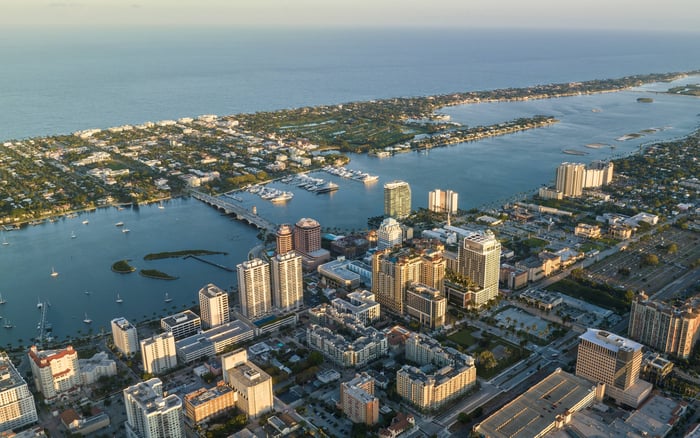
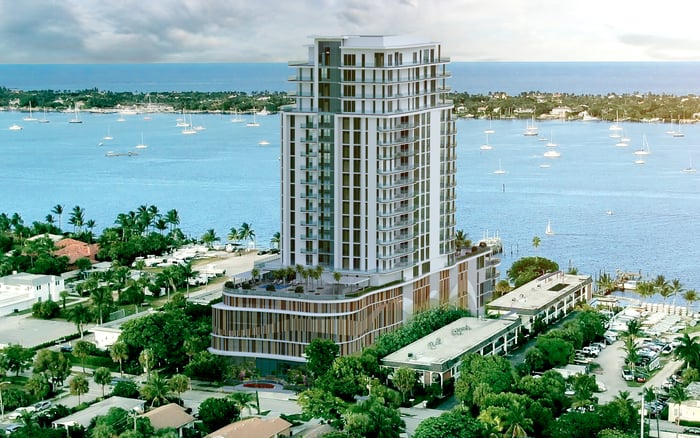
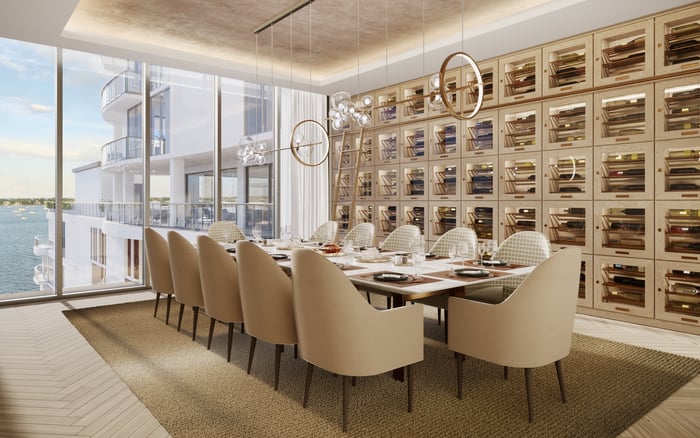
A discreet buyer’s guide to evaluating Edgeworth West Palm Beach through the lens of service choreography, private arrivals, deliveries, staff circulation, and back-of-house planning.
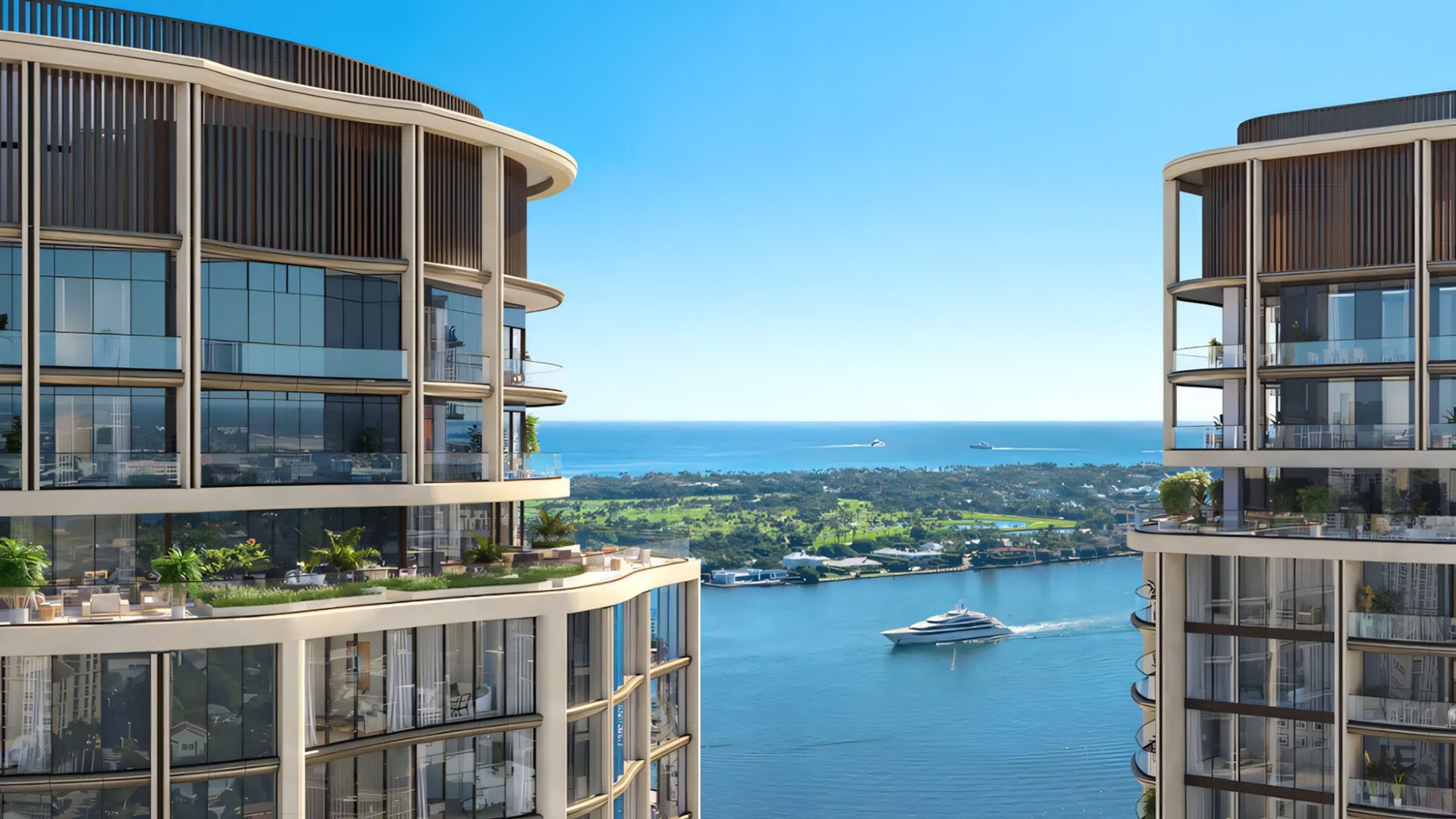
In the most refined residences, luxury is not only what the owner sees. It is also what the owner never has to see. At Edgeworth West Palm Beach, the buyer conversation naturally moves beyond finishes and floor plans into a quieter, more revealing subject: how the building functions when residents, guests, staff, deliveries, maintenance teams, pets, vehicles, and household routines all intersect.
That is where back-of-house design becomes a serious measure of quality. A beautiful lobby can set the tone, but the unseen service architecture determines whether daily life feels composed or constantly negotiated. The question is not simply whether a residence is luxurious. The question is whether the building can protect that luxury under pressure.
For the West Palm Beach buyer, this distinction is increasingly important. As the city’s residential market matures, owners are comparing not only address and aesthetics, but operational intelligence. The best buildings understand that privacy is a spatial discipline. Staff should be able to move efficiently. Deliveries should not disrupt arrivals. Maintenance should be handled without turning common areas into work corridors. A residence should feel calm because the building has already absorbed the complexity.
Back-of-house planning is ultimately choreography. It determines where people enter, where they wait, where they work, where they store, and how they move. In a private residential building, even small frictions can become daily irritations if they are not resolved in the plan.
A serious buyer should ask how household staff access the property, whether service movement is separated from the resident experience, and how vendors are received. The most elegant answer is usually not theatrical. It is practical, quiet, and consistent. A porter should know where to route a delivery. A housekeeper should not need to pass through a principal arrival sequence. A maintenance visit should not feel like a public event.
This lens also helps compare nearby luxury offerings. A buyer considering Alba West Palm Beach or Mr. C Residences West Palm Beach may be drawn first to lifestyle positioning, but the day-to-day experience is shaped by operational details that rarely photograph well. Loading access, package flow, service elevators, holding areas, trash rooms, staff circulation, and pet logistics all belong in the same conversation as ceiling heights and views.
Luxury buyers often speak about privacy as if it were a feature. In practice, it is an operating system. It depends on layered thresholds, controlled access points, disciplined circulation, and a staff culture that can perform with minimal visibility.
For a residence such as Edgeworth West Palm Beach, the essential buyer questions are clear. How does the building protect resident identity at arrival? Can guests be received without congestion? Is there a logical distinction between front-of-house hospitality and service movement? Are deliveries staged in a way that avoids clutter? Can building personnel respond quickly without crossing into the owner’s private rhythm?
The answers matter because high-net-worth households are rarely simple. They may include personal assistants, house managers, drivers, chefs, childcare support, visiting family, art handlers, wellness providers, and security consultants. Even owners who live with minimal staff benefit from a building that understands the mechanics of service. The smoother the infrastructure, the less visible the labor becomes.
New-construction buyers should be especially attentive here. Newness alone does not guarantee operational sophistication. Some buildings are designed to impress during a tour. Others are designed to perform for years. The difference is often found in the spaces behind the spaces.
The contemporary luxury household receives more than flowers and dry cleaning. It receives refrigerated provisions, wine, wardrobe shipments, design samples, art crates, pet supplies, fitness equipment, and time-sensitive personal items. Without disciplined receiving protocols, even a prestigious building can feel improvised.
Back-of-house design should answer several practical questions. Where are packages received? How are oversized items handled? Is there room for temporary staging? How are chilled or delicate deliveries managed? Can a staff member retrieve items without disrupting public areas? How does the building separate the resident experience from the work of keeping residences supplied?
This is particularly relevant in West Palm Beach, where seasonal use, second homes, and travel-heavy owners create irregular but intense service needs. A residence may be quiet for weeks, then suddenly require deep cleaning, provisioning, wardrobe preparation, floral installation, and guest readiness within a narrow window. A well-planned building supports that transition without drama.
Nearby projects such as Forté on Flagler West Palm Beach and Shorecrest Flagler Drive West Palm Beach reinforce the broader point: waterfront and urban luxury increasingly depend on how gracefully buildings manage invisible work. Buyers who ask only about views may miss the operational layer that defines long-term satisfaction.
Back-of-house thinking does not stop at the building line. It continues inside the residence. The most livable floor plans recognize that staff and owners often occupy the same home in different ways and at different times.
A well-composed residence should make daily support feel natural. Kitchens should function for both entertaining and preparation. Laundry areas should be practical, not symbolic. Service storage should be sufficient for linens, cleaning supplies, luggage, seasonal items, pet needs, and entertaining equipment. If there is a secondary entrance, its value depends on whether it genuinely improves circulation rather than simply checking a box.
Buyers should study the path from service elevator to residence, from entry to kitchen, from laundry to bedrooms, and from storage to entertaining areas. The fewer awkward crossings, the more quietly a home can operate. This is not about formality for its own sake. It is about preserving ease.
Boutique buildings can be especially compelling when they balance intimacy with operational discipline. With fewer residences, staff may know owners well, but the physical plan still needs to support discretion. Familiarity should not replace infrastructure.
A polished sales presentation may emphasize design language, amenity mood, and neighborhood momentum. All of that matters. Yet the due diligence for a serious buyer should include a deeper operational walk-through.
Ask to understand arrival sequencing at different times of day. Ask how deliveries are logged, staged, and released. Ask how vendors are approved and routed. Ask whether staff have appropriate waiting or work areas. Ask how move-ins are managed. Ask how the building handles pet circulation, refuse, recycling, and maintenance access. Ask how the association expects to preserve quiet operations as occupancy increases.
These questions are not adversarial. They are the language of experienced ownership. The best buildings are usually comfortable answering them because their planning has already anticipated them.
Edgeworth West Palm Beach should be evaluated through the same lens applied to the most sophisticated private homes: does it make life easier without announcing the machinery? The answer will not be found in a single feature. It will appear in sequences, adjacencies, policies, and the competence of daily operations.
For discerning buyers, that is the quiet luxury test. A building succeeds when staff can work, residents can arrive, guests can be hosted, and the home can be maintained without friction. In that sense, back-of-house design is not secondary to the luxury experience. It is the structure that allows luxury to remain serene.
Why is back-of-house design important in a luxury condominium? It determines how smoothly staff, deliveries, maintenance, and resident arrivals are managed without disrupting the owner experience.
What should buyers ask about staff logistics at Edgeworth West Palm Beach? Buyers should ask about service circulation, delivery handling, vendor access, storage, move-in procedures, and staff routing.
Does back-of-house planning affect privacy? Yes. Privacy depends on how well a building separates resident-facing spaces from service movement and operational activity.
What is the difference between front-of-house and back-of-house? Front-of-house refers to resident and guest-facing spaces, while back-of-house supports staff, deliveries, maintenance, and operations.
Why do service elevators matter? They can reduce congestion, protect resident arrivals, and allow staff or vendors to move without using primary public routes.
Should seasonal owners care about staff logistics? Yes. Seasonal homes often require concentrated preparation, provisioning, cleaning, and maintenance before and after occupancy.
How does storage relate to luxury living? Adequate storage supports linens, luggage, entertaining supplies, pet needs, and household operations without cluttering private rooms.
Are boutique buildings automatically better for discretion? Not automatically. Boutique scale can help, but true discretion still depends on thoughtful planning and disciplined operations.
What should be reviewed inside the residence itself? Buyers should study the paths between entry, kitchen, laundry, bedrooms, storage, and any service access points.
What is the best way to shortlist comparable options for touring? Start with location fit, delivery status, and daily lifestyle priorities, then compare stacks and elevations to validate views and privacy.
For a tailored shortlist and next-step guidance, connect with MILLION.
If branded residences are on your mind — as a home or as an allocation — we would be glad to share what we are seeing, privately.
Begin a quiet conversation