A focused due-diligence framework for comparing Bay Harbor Islands new construction when marina access, vessel compatibility, navigation, and storm planning are central to the purchase.
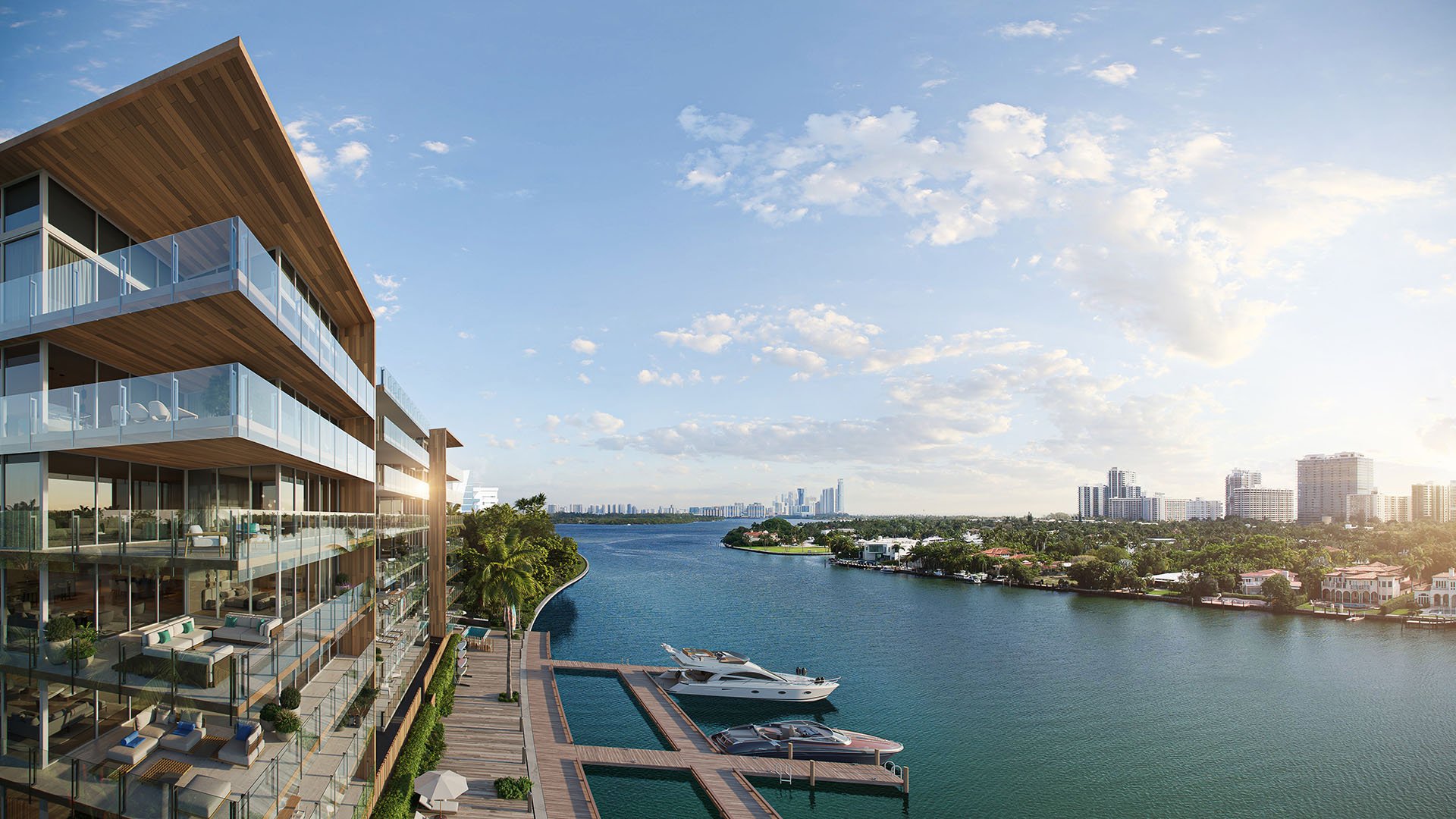
Choosing new construction in Bay Harbor Islands requires more than comparing views, layouts, and amenities when marina access is essential. A serious evaluation should connect the residence, the dock arrangement, the vessel’s dimensions, the navigation route, and the owner’s storm plan.
Without current project documents, no slip count, vessel limit, assignment structure, or storm protocol should be assumed. Buyers should obtain written details and review them with appropriate legal, marine, insurance, and technical advisers before relying on a marina-related representation.
Request the current marina plan, slip inventory, vessel restrictions, assignment structure, fee schedule, and transfer rules. Confirm that the proposed yacht can use the berth and complete the full route to open water under realistic operating conditions.
2. La Baia North Bay Harbor Islands
Review whether marina access is attached to a particular residence or handled separately. The analysis should cover availability, dimensions, utilities, access controls, operating rules, and the treatment of dock rights at resale.
Ask for written confirmation of the waterfront facilities available to residents and the terms governing their use. A general marina reference should not substitute for vessel-specific confirmation and enforceable rights.
4. Origin Bay Harbor Islands
Determine how any dock access is allocated, maintained, charged, transferred, and restricted. Buyers should also confirm whether the physical approach and maneuvering area work for the intended vessel.
The first issue is legal control of the berth. Establish whether dockage is deeded, leased, assigned, licensed, separately purchased, or subject to availability. Review duration, renewal, transfer, cancellation, guest use, leasing restrictions, and all recurring or special charges.
The second issue is physical compatibility. Confirm maximum overall length, beam, draft, height, lift capacity, turning room, fender placement, and how platforms, pulpits, tenders, towers, and outboards are measured. Verify shore power, water, lighting, security, loading access, and maintenance responsibilities.
The third issue is navigation. Review the complete route rather than relying on a broad statement about water access. Bridge clearances, opening schedules, channel depth, tides, shoaling, maneuvering space, and inlet conditions can affect whether a berth is practical for a particular yacht.
New construction should not be treated as proof of complete storm readiness. Request current documentation addressing flood conditions, finished-floor elevations, impact protection, backup-power coverage, drainage, seawalls, insurance requirements, evacuation considerations, and expected access after a storm.
Generator diligence should identify the specific building systems supported and any operational limitations. Insurance review should address both the residence and the vessel, including exclusions, deductibles, required mitigation, and responsibilities tied to marina use.
The vessel plan must be equally specific. Confirm whether relocation may be required, who communicates instructions, how notice is delivered, who bears responsibility and cost, and whether the owner has a realistic alternative location. A convenient everyday berth should not be presumed to function as storm shelter.
Ask for the latest purchase documents, condominium materials, marina agreement, rules and regulations, plans, fee schedules, insurance information, and available technical reports. Compare marketing language with the controlling documents and resolve inconsistencies before signing.
Any marina feature central to the purchase should be documented clearly. Buyers should avoid relying on verbal assurances about availability, dimensions, navigability, completion, assignment, transferability, or future operating practices.
What should yacht owners verify first? Confirm the legal basis of the dock right and whether the proposed vessel fits the berth and navigation route.
Does marina access guarantee a private slip? Not necessarily. Availability and usage rights must be established through current project and marina documents.
Which vessel measurements matter most? Verify overall length, beam, draft, height, appendages, and any lift or weight limits that apply.
Why should buyers review the full navigation route? A berth may be unsuitable if bridges, depth, tides, turning space, or inlet conditions conflict with the yacht’s requirements.
What marina costs should be checked? Review purchase or lease charges, recurring fees, utilities, maintenance obligations, assessments, and transfer-related costs.
Should dock rights be addressed in the purchase documents? Material rights, restrictions, costs, and vessel limits should be confirmed in controlling documents and handled contractually when appropriate.
Is a new building automatically prepared for severe weather? No. Buyers should separately review flood, impact-protection, backup-power, drainage, seawall, insurance, and access information.
What should a marina storm plan explain? It should clarify relocation expectations, notice procedures, decision authority, owner responsibilities, timing, and costs.
Can marketing materials replace technical and legal review? No. Buyers should compare promotional statements with current plans, agreements, rules, and other controlling documents.
What is the best way to shortlist comparable options for touring? Start with location fit, delivery status, and daily lifestyle priorities, then compare stacks and elevations to validate views and privacy.
For a confidential assessment and a building-by-building shortlist, connect with MILLION.
If branded residences are on your mind — as a home or as an allocation — we would be glad to share what we are seeing, privately.
Begin a quiet conversation