For collectors, the right Coral Gables condo is not simply spacious. It must support the display, movement, protection, and long-term stewardship of art while offering a coherent relationship between private interiors and shared spaces.
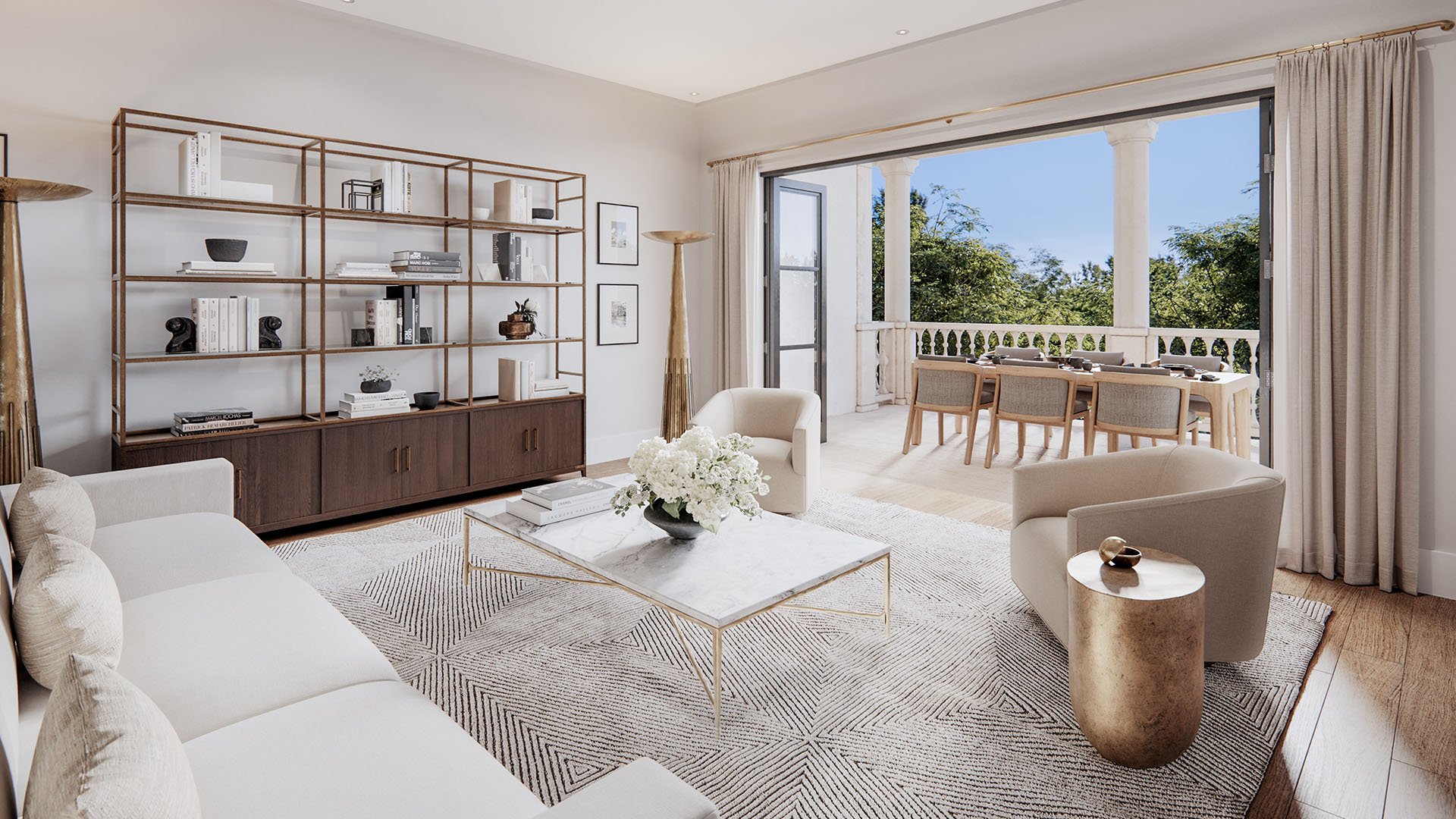
For an art collector, a Coral Gables luxury condo search involves more than bedroom counts, views, terraces, and amenities. The property brief should also account for the dimensions, materials, sensitivity, and installation needs of the collection.
Before touring, document significant works and note their framed dimensions, weight, preferred orientation, light sensitivity, and handling requirements. This turns each showing into a practical evaluation rather than a general impression of space.
The objective is not to make every room resemble a gallery. It is to identify a residence where art, architecture, and daily life can coexist without awkward placement or extensive alterations.
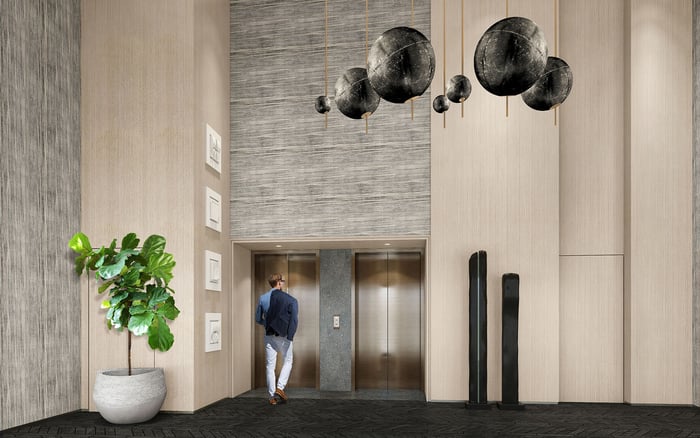
Artwork in a lobby or amenity area can contribute to a building's identity, but it should be considered separately from the suitability of an individual residence. Collectors should review the private interior on its own merits, including display surfaces, lighting flexibility, environmental consistency, and installation access.
Shared-space presentation can still be relevant. Ask how artwork is incorporated into the arrival experience and whether the approach feels coherent with the architecture. Then return to the essential question: can the selected residence support the buyer's collection over time?
A review of Cora Merrick Park can begin with individual floor plans rather than a broad impression of the project. Mark potential display walls and account for doors, glazing, switches, thermostats, vents, and built-in elements.
Measure ceiling height at each intended display location. Consider whether recessed fixtures can support the desired lighting plan and whether floor outlets or circulation paths would constrain sculpture placement. Extensive glazing may strengthen the connection to outdoor views while leaving fewer uninterrupted walls for art.
For a residence that is not yet complete, request current plans and written specifications. Confirm dimensions and installation conditions before relying on a proposed arrangement.
A suitable wall is only useful if the work can reach it safely. Review the route from vehicle arrival through loading and service areas, elevators, corridors, doorways, and the residence itself. Pay attention to clear dimensions, turning points, elevator capacity, and procedures for reserving shared spaces.
Ask the association or building representative about installation requirements, including contractor documentation, working hours, protective coverings, drilling, wall reinforcement, and approvals for heavy or suspended pieces. If a work requires specialized handling, involve the appropriate art professionals before committing to a placement plan.
Environmental review should cover direct sunlight, temperature consistency, humidity management, leak exposure, and the relationship between display walls and plumbing. Insurance planning should be coordinated with qualified advisers before transport and installation.
Collectors benefit from comparing residences with different scales, layouts, and architectural approaches. The Village at Coral Gables and Ponce Park Coral Gables can be considered through the same collection-focused framework: wall continuity, ceiling conditions, daylight, circulation, service access, and building rules.
During a permitted showing, bring the dimensions of important works, note candidate walls, and record relevant clearances. Compare specific residences rather than assuming that overall size or a project label determines suitability.
A collector-focused home should accommodate change. New acquisitions, loans, rotations, and reframing can alter display requirements, so flexible lighting and multiple viable wall arrangements may be more useful than a single dramatic installation location.
Clarify which built-in display elements belong to the residence and which objects are personal property. Where specialized niches, pedestals, wall systems, or lighting are present, consider whether they will remain useful as the collection changes.
The strongest purchase decision treats art as a design and stewardship requirement from the beginning. That approach can reduce installation friction and help the residence remain composed as both daily life and the collection evolve.
Should collectors prioritize total square footage? Not by itself. Wall continuity, ceiling conditions, circulation, light, and access may be more useful measures for a particular collection.
Does lobby art make a residence collector-ready? No. Shared-space art and private-residence suitability should be evaluated separately.
What should buyers measure during a showing? Review clear wall runs, ceiling heights, doorways, corridors, elevator interiors, and critical turning points.
Why should daylight be evaluated? The direction and intensity of daylight can influence where sensitive works are placed and what shading may be needed.
When should freight access be reviewed? Review it before finalizing a purchase decision, especially when the collection includes oversized or heavy works.
Can condominium rules affect art installation? Yes. Buyers should verify requirements for contractors, drilling, working hours, protective measures, and common-area access.
Are floor plans enough for collection planning? They are a starting point, but relevant dimensions and site conditions should also be verified.
What should collectors ask about shared artwork? Ask how it is incorporated, maintained, and managed within the building's shared spaces.
How can buyers plan for future acquisitions? Favor flexible lighting, several usable display areas, and circulation that can support changing placements.
When should insurance planning begin? Begin before transport and installation so the collection, residence, and building procedures can be considered together.
For a confidential assessment and a building-by-building shortlist, connect with MILLION.
If branded residences are on your mind — as a home or as an allocation — we would be glad to share what we are seeing, privately.
Begin a quiet conversation