At Colette Residences Brickell, discerning buyers should test privacy as an operating system, tracing the experience from curbside arrival through screening, vertical circulation, service routing, staffing and recurring costs.
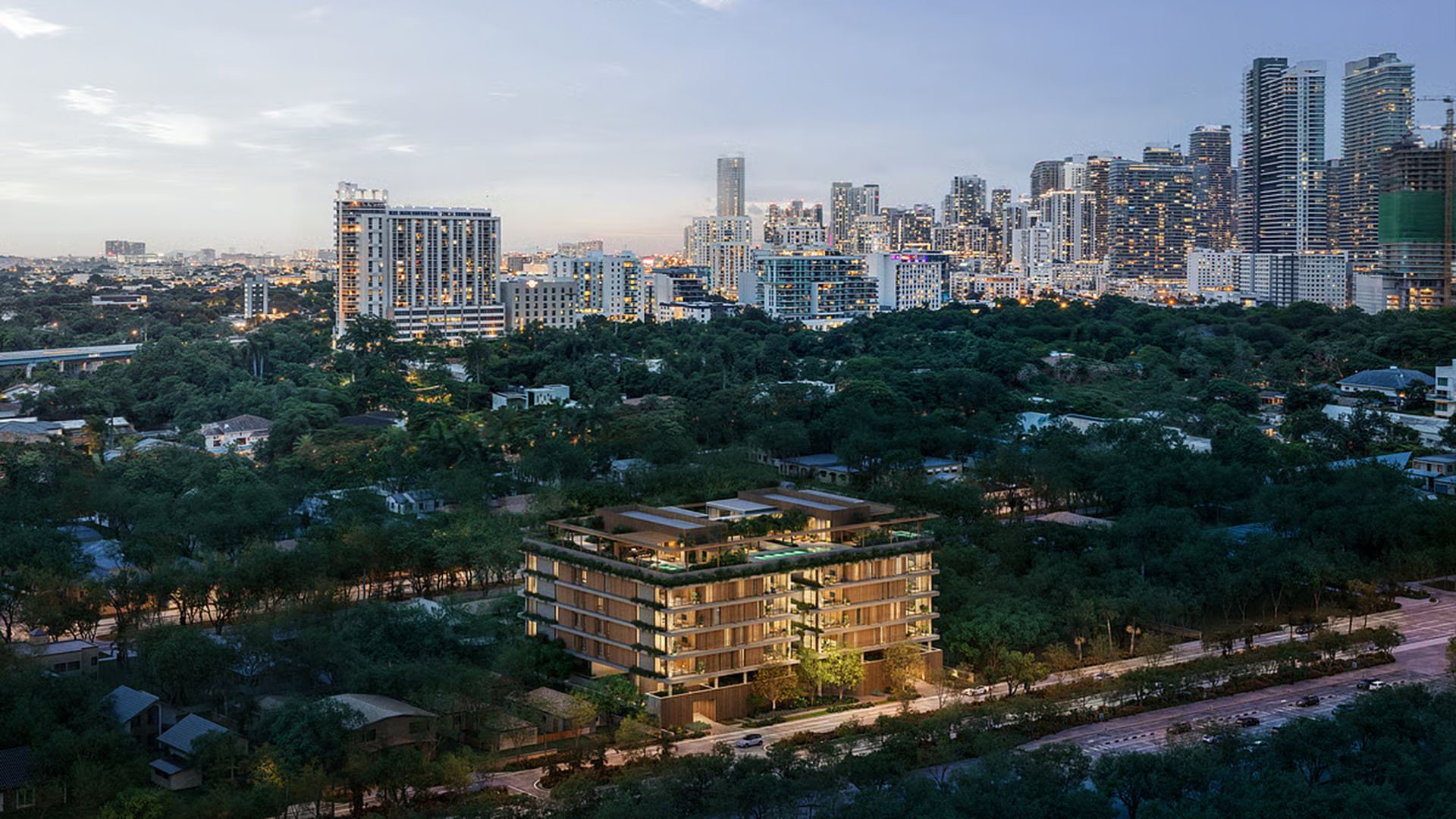
At Colette Residences Brickell, the central question for buyers is not whether privacy features in the presentation, but whether it functions as a continuous sequence-from the moment a car approaches the property until the residence door closes.
That distinction matters in Brickell, where a polished lobby can coexist with complex daily traffic. Residents, guests, rideshare drivers, valets, couriers, household staff and maintenance teams may all arrive within the same narrow window. A credible privacy strategy should govern how each group enters, waits, receives credentials and moves vertically through the building.
In a boutique residence, lower shared traffic can offer welcome discretion. Yet fewer homes may also mean that fixed expenses for security, engineering and hospitality are divided among a smaller ownership base. Confirm the total residence count, then assess privacy and cost together rather than treating exclusivity as an isolated design feature.
The most revealing inspection begins at the street. Observe how a vehicle enters the drop-off area, where the valet handoff occurs, how luggage is managed and whether pedestrians cross active vehicle paths. Ask how the porte-cochère or arrival court is expected to function when residents, invited guests and rideshare vehicles appear simultaneously.
Capacity matters more than a photogenic rendering. A refined arrival can deteriorate quickly if waiting cars obstruct circulation or guests linger without a clearly managed reception point. Request the parking plan and examine the operational assumptions behind peak-hour traffic.
Continue through the lobby, access-control point and elevator bank. Identify precisely where visitors are screened. The critical test is whether authorization occurs before a guest enters residential circulation-not after that person has already reached an elevator or private floor.
Buyers considering other Brickell offerings, including The Residences at 1428 Brickell and Cipriani Residences Brickell, can apply the same walk-through discipline. The purpose is not to presume equivalent systems, but to compare each arrival route point by point.
An elevator described as private can signify several configurations. It may open directly into a residence, serve a limited number of homes on one floor or connect to a shared corridor. Identify the actual arrangement on the relevant floor plan and determine what happens when guests, vendors or staff require access.
Ask whether resident, guest, vendor and service credentials carry different permissions. Elevator zoning should prevent authorization for one destination from becoming broad access to residential levels. The review should also address lost keys, temporary credentials, after-hours arrivals and surveillance-record retention.
Here, design and architecture must align with management. A direct-entry elevator offers limited privacy if visitor approval is informal, delivery handling is inconsistent or credentials are not promptly revoked. The same due diligence is appropriate at Baccarat Residences Brickell or any high-service tower where brand presentation and daily controls must operate as one system.
A discreet building requires more than a service door. Determine whether deliveries, move-ins, maintenance teams and household staff have a genuinely separate entrance and back-of-house route. Trace that path through receiving, storage, service elevators and the final handoff point.
Package and food-delivery procedures warrant particular scrutiny. Ask where items wait, who accepts them, how recipients are notified and whether couriers ever enter residential circulation. For privacy-sensitive households, management should be able to explain how resident names, schedules, keys and special requests are handled.
Move-ins provide another useful stress test. Request the service-circulation drawings and ask how a large delivery is booked, screened and routed without compromising the principal arrival. Apply the same questions when assessing St. Regis® Residences Brickell or another service-led new project in the neighborhood.
Hospitality depends on people, not adjectives. Request a precise staffing schedule showing concierge, valet, security, management, housekeeping and engineering coverage by time of day. Clarify overnight coverage, shift handoffs and who assumes responsibility when an issue crosses departments.
Then distinguish services funded through common charges from optional services billed directly to an owner. Read the pre-construction budget alongside the staffing assumptions that support it. If service levels change, both the lived experience and future operating costs may change.
This is a practical theme for buyer's guides: boutique scale can reduce encounters while increasing each owner's exposure to fixed operating expenses. Review the projected association fees, condominium documents, operating budget, security protocol, parking plan, floor plans and service-routing drawings before treating any privacy or hospitality feature as guaranteed.
The strongest evaluation is a chain-of-custody exercise. Who takes the vehicle? Who recognizes the resident, screens the guest, controls the elevator, receives a package and resolves an after-hours exception? Every handoff should have a defined location, responsible person and access rule.
At Colette Residences, buyers should look for consistency across the architectural plan, written procedures, staffing schedule and budget. Privacy succeeds when it feels effortless to the resident because the operational complexity remains controlled and largely unseen.
What should buyers verify about Colette Residences Brickell first? Confirm the residence count, floor plan, elevator arrangement and documented access procedures before relying on broad privacy language.
Why does the total residence count matter? Fewer homes may reduce shared traffic, but they can also spread fixed staffing and security costs across fewer owners.
Does a private elevator guarantee privacy? No. Its value depends on where it opens, which floors it serves and how guest and vendor credentials are controlled.
Where should guest screening occur? Determine whether screening occurs before visitors enter residential circulation or reach private floors.
What should be examined at the porte-cochère? Test whether residents, guests, valet operations and rideshare vehicles can be accommodated without congestion or unclear handoffs.
Should deliveries use a separate route? Verify whether deliveries use a distinct entrance, receiving area and back-of-house path rather than residential circulation.
Which staffing details should buyers request? Ask for coverage by time of day for concierge, valet, security, management, housekeeping and engineering.
Are all services necessarily included in common charges? No. Distinguish included staffing and amenities from optional services billed separately.
Which documents support meaningful due diligence? Review condominium documents, budgets, staffing schedules, security protocols, parking plans, floor plans and service-circulation drawings.
How should privacy-sensitive requests be assessed? Ask how management handles packages, food deliveries, keys, guest credentials, surveillance records and confidential resident instructions.
For a discreet conversation and a curated building-by-building shortlist, connect with MILLION.
If branded residences are on your mind — as a home or as an allocation — we would be glad to share what we are seeing, privately.
Begin a quiet conversation