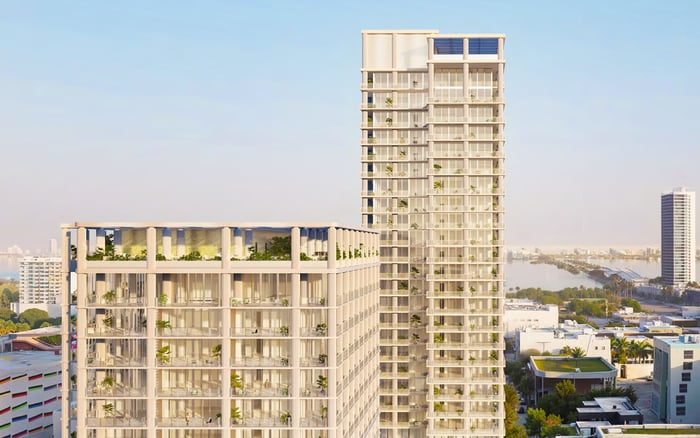
A buyer-focused editorial on why Wynwood has become a useful lens for evaluating pre-construction confidence, deposit discipline, and developer credibility in South Florida.
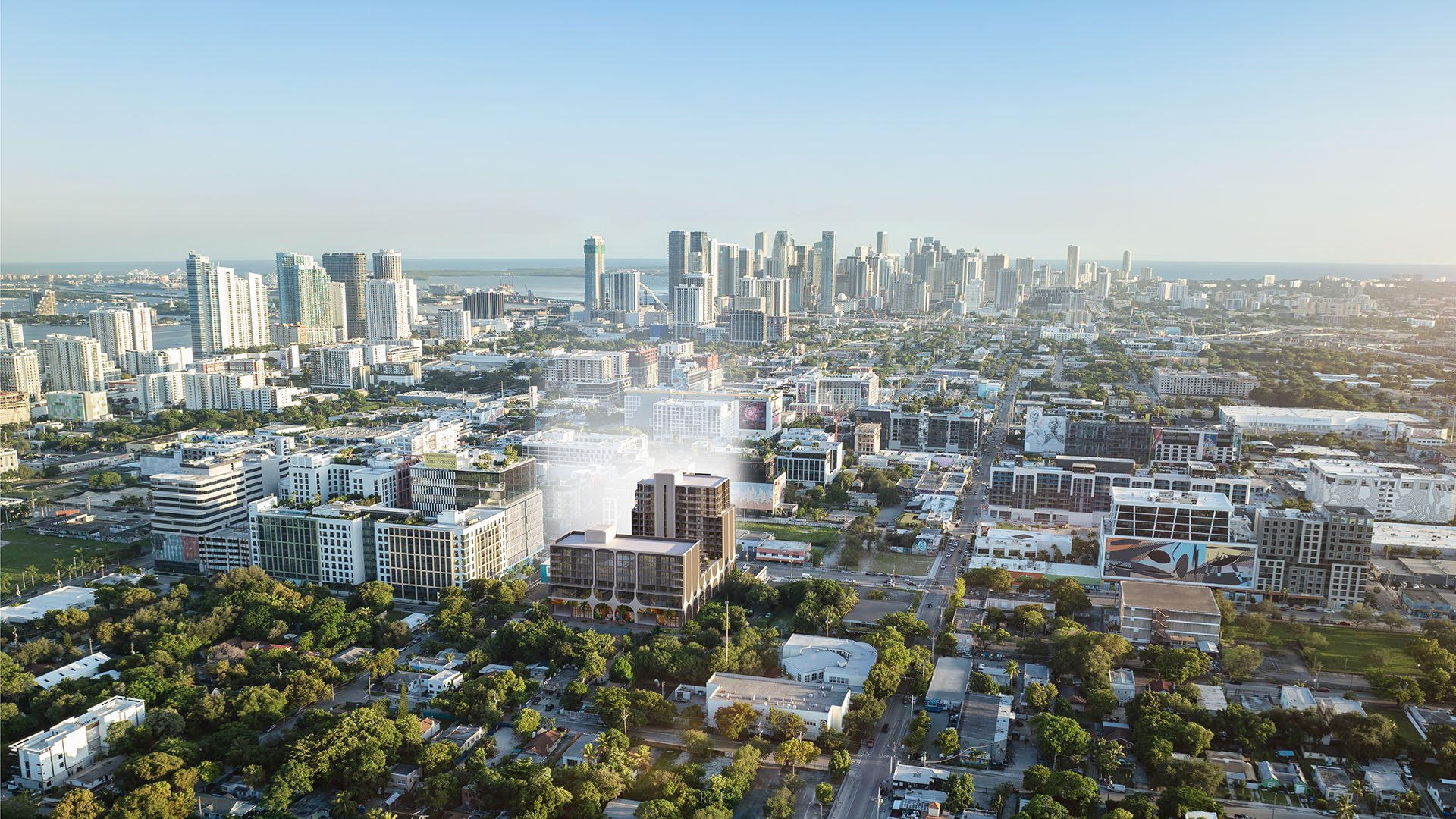
Wynwood is no longer simply a creative district viewed from the edge of Miami’s established luxury corridors. For a growing set of buyers, it has become a practical case study in how South Florida evaluates pre-construction with greater sophistication. The question is not whether a neighborhood is fashionable. The question is whether the purchase structure, the sponsor, and the long-term lifestyle thesis align with the buyer’s risk tolerance.
That distinction matters. In a mature luxury market, buyers can often rely on an existing building, a known view corridor, and a comparable resale history. In an emerging residential district, confidence is built differently. It comes from the clarity of the offering, the discipline of the contract, the seriousness of the developer, and the neighborhood’s ability to support daily life after delivery.
Wynwood sits at the intersection of those considerations. It appeals to buyers who want proximity to culture, dining, design, and Miami’s urban core without necessarily choosing the formality of Brickell or the resort posture of Miami Beach. Yet its appeal also demands a more exacting review. A buyer should not treat energy as evidence. The correct lens is execution.
Deposit structure is often discussed as a payment schedule, but in a luxury pre-construction purchase it functions as a risk map. It tells the buyer when capital is committed, how much flexibility remains, and how closely the buyer’s liquidity is tied to the project’s timeline. In South Florida, where sophisticated buyers may be comparing multiple opportunities at once, this is not a minor detail.
A thoughtful buyer studies the deposit sequence before becoming emotionally attached to a floor plan. The important questions are direct. How much is due at contract? What future installments are expected? Are milestone payments tied to construction progress or calendar dates? What remedies exist if the project changes materially? What happens if the buyer’s financing assumptions shift before closing?
None of these questions weaken the appeal of new construction. They strengthen the decision. A well-understood deposit framework can create confidence because it turns uncertainty into defined obligations. It also helps separate an aspirational purchase from a disciplined investment.
In Wynwood, that discipline is especially important because buyers are often underwriting both the residence and the district’s residential trajectory. The neighborhood may offer a compelling lifestyle thesis, but the contract remains the legal reality. Serious buyers should read it with the same focus they would apply to a waterfront estate, a private-island condominium, or a trophy penthouse.
Developer track record is often reduced to branding, but experienced buyers know it is more nuanced. The relevant question is not simply whether a developer is recognizable. It is whether the team has demonstrated the ability to finance, construct, deliver, manage expectations, and preserve buyer confidence through market cycles.
In Wynwood, this becomes particularly important because the district’s residential identity is still being formed. A developer entering the neighborhood is not merely adding inventory. The developer is helping define what luxury living there should mean. That places added weight on design credibility, construction coordination, amenity logic, and the long-term operations plan.
Buyers should look for consistency. Has the developer delivered projects of comparable complexity? Does the team understand condominium execution, not just land acquisition or concept presentation? Are the architects, designers, contractors, and sales leadership aligned around a product that feels coherent rather than assembled for a market moment?
The most persuasive track records are quiet. They do not need excessive language. They show up in completed buildings, durable materials, realistic timelines, clear communication, and residences that live well after the first photography campaign has faded.
Wynwood’s appeal is clearest when viewed against Miami’s broader luxury map. Brickell offers financial-district convenience and high-rise urban formality. Downtown provides access to civic, cultural, and entertainment nodes. Coastal enclaves often emphasize views, privacy, and resort living. Wynwood’s proposition is different. It is more design-forward, more walkable in spirit, and more closely associated with creative urban energy.
That difference can be valuable, but it should be priced into the decision rather than romanticized. A buyer considering Wynwood should ask whether the lifestyle is genuinely aligned with how they live. Do they want restaurants and galleries nearby? Do they prioritize a shorter connection to central Miami over direct beach access? Are they comfortable with a neighborhood that may continue to evolve around them?
This is where confidence becomes personal. A buyer who wants a finished, fully established luxury environment may prefer a more traditional address. A buyer who values urban transformation may see Wynwood as a sharper expression of Miami’s next chapter. Neither view is inherently superior. The best purchase is the one where the buyer’s expectations match the asset.
The most elegant pre-construction decisions are usually the most methodical. Before signing, buyers should examine the offering documents, budget assumptions, projected assessments, rental rules, parking, storage, amenities, and any material limitations on use. Legal and financial advisers should be involved early, not after negotiation fatigue has already set in.
Buyers should also consider the exit environment. Even if the intention is long-term ownership, luxury real estate should be evaluated for optionality. Who is the likely future buyer? Will the floor plan remain desirable? Does the amenity package feel timeless or overly tailored to a passing trend? Is the location likely to deepen in residential credibility?
For international and out-of-state buyers, timing is another essential issue. Pre-construction requires patience. Delivery schedules can change, design details can evolve, and market conditions can move between contract and closing. Confidence does not come from assuming everything will remain static. It comes from understanding which changes are acceptable and which would alter the investment case.
South Florida’s luxury buyer has become more analytical. The most serious purchasers are not rejecting new development. They are demanding greater precision. They want developers with visible competence, contracts with understandable obligations, and neighborhoods with credible lifestyle stories.
That is why Wynwood is such a useful test. It rewards buyers who can think beyond the finished rendering while still insisting on practical protections. It invites imagination, but it does not excuse shortcuts. The district’s strength lies in the balance between cultural momentum and buyer scrutiny.
For the right purchaser, Wynwood can offer something distinct in the South Florida landscape: an urban luxury position shaped by design, access, and neighborhood identity rather than only by waterfront scarcity. The opportunity is real, but it is best approached with calm analysis. In a market where confidence is increasingly earned, Wynwood asks the right questions.
Why is Wynwood relevant to pre-construction buyers? Wynwood combines emerging residential demand with a strong lifestyle identity, making it a useful place to evaluate confidence before delivery.
What should buyers study first in a pre-construction contract? Buyers should review the deposit schedule, cancellation rights, construction milestones, closing obligations, and any limits on changes early.
Is deposit structure only about affordability? No. It is also about liquidity, timing, risk allocation, and how much capital is committed before the residence is complete.
Why does developer track record matter so much in Wynwood? In an evolving district, the developer helps shape the residential standard, so execution history becomes central to buyer confidence.
How should buyers compare Wynwood with Brickell? Brickell is often more established as a high-rise financial district, while Wynwood offers a more creative urban residential thesis.
Does Downtown compete with Wynwood for luxury buyers? Yes, but the lifestyle logic differs. Downtown is tied to civic and cultural access, while Wynwood leans into design and neighborhood energy.
Can new construction still be a disciplined investment? Yes, when the buyer understands the contract, the developer, the location, and the likely future audience for resale or rental demand.
Should buyers rely on renderings when evaluating a project? Renderings can be helpful, but they should be secondary to documents, team credibility, floor plan quality, and contractual protections.
What type of buyer is best suited to Wynwood? A buyer who values urban culture, design proximity, and neighborhood evolution may find Wynwood especially compelling.
What is the most important mindset for pre-construction confidence? Treat the purchase as a structured decision, not a mood, and make sure the lifestyle thesis is supported by legal and financial clarity.
To compare the best-fit options with clarity, connect with MILLION.
If branded residences are on your mind — as a home or as an allocation — we would be glad to share what we are seeing, privately.
Begin a quiet conversation