A wellness-focused Brickell condo search should connect daily habits with practical considerations such as access, privacy, capacity, operating details, and the balance between independent amenities and staffed services.
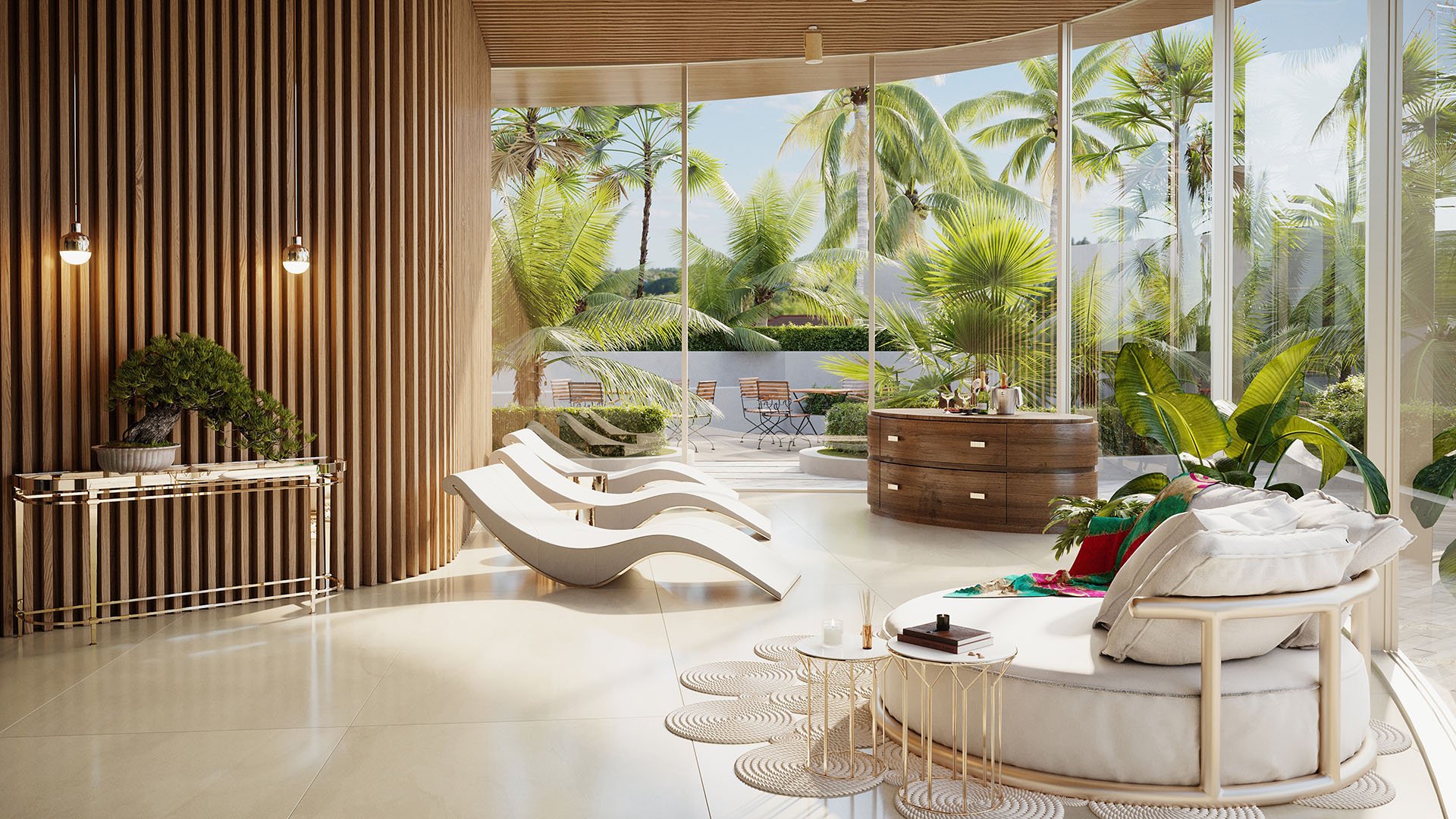
Wellness can become a practical filter in a Brickell condo search when buyers begin by outlining how they spend a typical week. Training frequency, recovery preferences, quiet time, work commitments, pet care, and desired privacy can each affect which amenities deserve the most attention.
This method also helps separate frequently used features from occasional luxuries. A buyer who exercises most mornings may prioritize convenient fitness access, while someone with scheduled recovery sessions may focus more closely on treatment availability, changing areas, and circulation between the residence and wellness spaces.
An amenity room and a managed wellness program offer different experiences. Independent facilities may suit residents who prefer flexibility and already have established routines. Staffed services may appeal to buyers who value scheduling assistance, instruction, assessments, or coordinated programming.
Properties worth comparing include 619 Residences by Foster + Partners + Nobu Hospitality, House of Wellness Brickell, and 888 Brickell by Dolce & Gabbana. Buyers should verify the current plans, availability, operating model, and purchase documents for any residence under consideration rather than relying on an amenity name alone.
The usefulness of a wellness space depends on more than its design. Buyers can ask about access hours, reservation procedures, guest policies, usage limits, service charges, staffing, and the number of residents expected to share each area. These details help reveal whether a facility is likely to support a routine at preferred times.
Any specialized service deserves additional review. A buyer should confirm who provides it, whether professional oversight applies, how appointments are managed, and which costs are separate. For a property that has not been completed, proposed amenities and programs should be checked against the latest available disclosures and purchase materials.
A tour should include the full route from the residence to the wellness areas. Elevator changes, shared corridors, reception points, changing facilities, and transitions between active and quiet spaces can influence comfort and discretion.
Capacity matters as well. Buyers can ask how many fitness stations, treatment rooms, class spaces, or reservation slots are available and how peak periods are handled. A smaller facility may work well when access is managed effectively, while an expansive space may still create friction if scheduling is limited.
Wellness is connected to the rest of residential life. Workspaces, outdoor areas, pet facilities, food and beverage options, and staffed support may save time that can then be devoted to exercise, rest, or recovery. The question is not simply whether these features exist, but whether their placement and operating structure suit the buyer's schedule.
A wider Miami comparison can also help clarify priorities. Villa Miami may serve as a reference point when a buyer wants to compare Brickell options with another South Florida residential project. The purpose of that comparison is to sharpen the Brickell search, not to treat different locations or properties as interchangeable.
A simple scorecard can make tours more consistent. Buyers can rank each property across training, recovery, quiet space, environmental comfort, privacy, access, capacity, staffing, and additional costs. Weighting each category by expected frequency of use keeps visually impressive but rarely used amenities from dominating the decision.
The final review should connect the residence, the building's operating details, and the buyer's real schedule. That approach keeps wellness grounded in daily use and makes it easier to identify which Brickell property creates the least friction over time.
What should a wellness-focused buyer define before touring Brickell condos? Outline a typical week, including exercise, recovery, work, quiet time, and any services used regularly.
Is a large fitness area always the best choice? No. Convenience, equipment fit, access rules, and expected demand may matter more than size alone.
How do staffed programs differ from independent amenity spaces? Staffed programs may provide coordination or instruction, while independent spaces offer residents more control over timing and use.
Which operating details should buyers verify? Ask about hours, reservations, guest access, usage limits, staffing, and any separate charges.
Why is amenity capacity important? Capacity can affect whether residents can use a space or book a service at their preferred times.
How should specialized wellness services be assessed? Confirm the provider, applicable oversight, appointment process, operating schedule, and cost structure.
What privacy details deserve attention during a tour? Review elevator routes, shared corridors, reception areas, changing spaces, and separation between active and quiet zones.
Should buyers consider work and pet amenities in a wellness search? Yes. Features that simplify work or pet care may reduce scheduling friction elsewhere in the day.
How should proposed amenities be treated before completion? Verify them through the latest disclosures and purchase materials because plans and operating details may change.
What is the best way to shortlist comparable options for touring? Start with location fit, delivery status, and daily lifestyle priorities, then compare stacks and elevations to validate views and privacy.
For a discreet conversation and a curated building-by-building shortlist, connect with MILLION.
If branded residences are on your mind — as a home or as an allocation — we would be glad to share what we are seeing, privately.
Begin a quiet conversation