A Hallandale Beach deed can support a Madrid buyer’s tax-residence position, but only when the home, travel, family and economic evidence tell the same credible story.
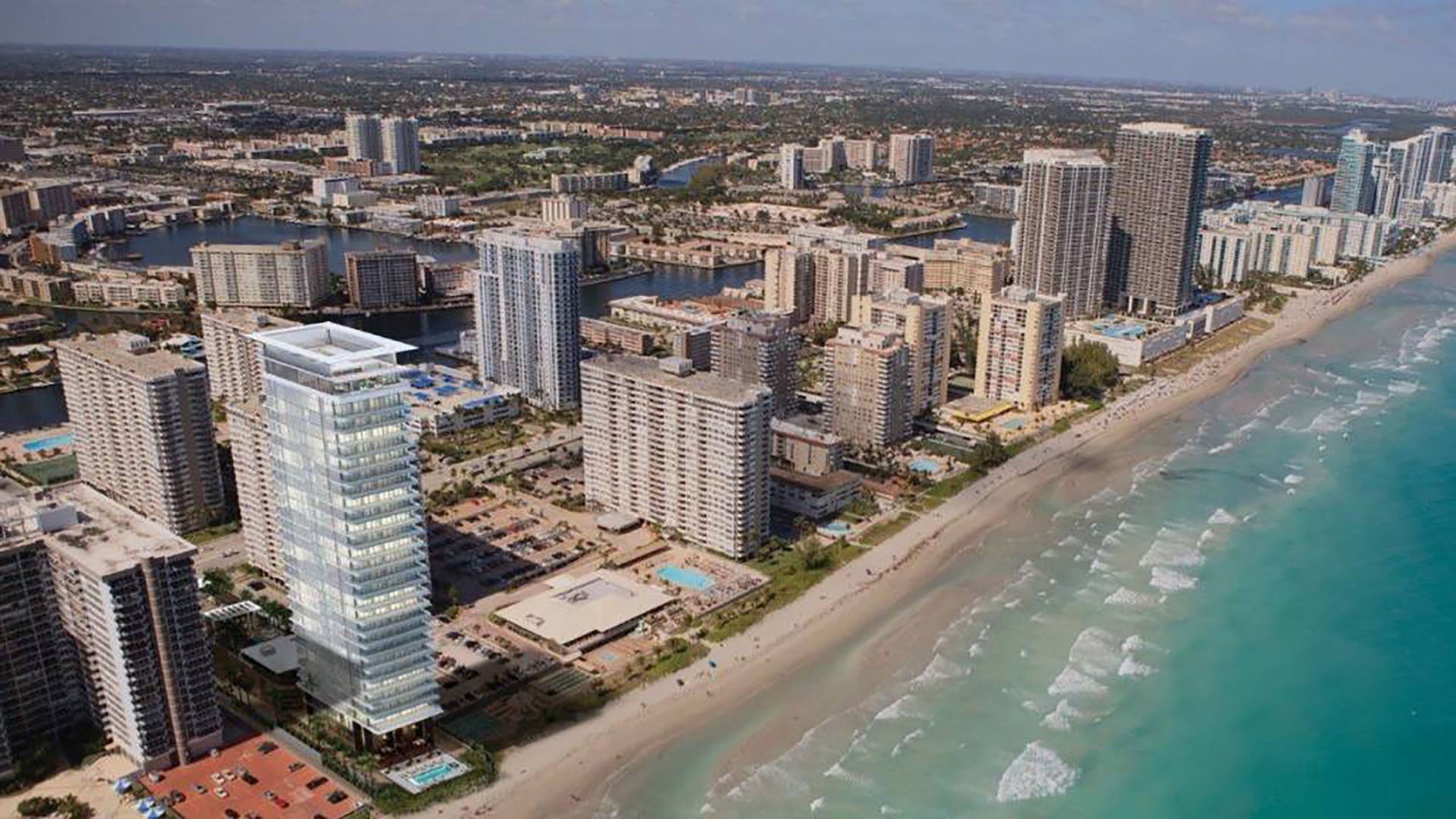
For a Madrid-based buyer, acquiring a home in Hallandale Beach can be both an elegant lifestyle decision and a useful component of a cross-border residence file. On its own, however, it is not a shield against Spanish tax-residence scrutiny. The central question is whether the Florida property functions as a genuinely occupied, long-term home-and whether the owner’s broader life supports that position.
Spain can treat an individual as tax resident through more than one route. One test is spending more than 183 days in Spain during a calendar year. Another is the location of the person’s main center of economic activities or interests. A further presumption can arise when a non-separated spouse and dependent minor children habitually live in Spain.
This distinction matters for a buyer considering 2000 Ocean Hallandale Beach or another South Florida residence. A deed establishes ownership. It does not establish where the owner lived, managed businesses, earned active income or maintained family life.
Physical presence is an objective inquiry. A disciplined calendar should reconcile passports, flight itineraries, card transactions, mobile-phone activity and other location evidence. Temporary absences may generally count toward Spain’s 183-day threshold unless tax residence in another country is proven, making informal estimates an avoidable risk.
The better practice is to maintain the calendar contemporaneously, not reconstruct it after an inquiry begins. Arrival and departure days should be treated consistently, with supporting records retained in an organized annual file. Remaining below 183 days does not guarantee non-residence, as Spain may still apply the independent economic-interests test.
For buyers drawn to the Hallandale area, Shell Bay by Auberge Hallandale can be considered within the broader question of where daily life will actually unfold. What matters is not the prestige of the address, but the regularity and substance of its use.
Persuasive residence evidence often looks remarkably routine. A deed or long-term lease may be paired with utility usage, phone records, local payment activity, travel documentation and correspondence delivered to the home. Florida driver’s-license records, voter registration, homestead documentation, banking relationships, healthcare connections, clubs and community ties may add coherence, although no single item is conclusive.
Consistency matters more than volume. A Hallandale Beach address on formal documents is less convincing if utility usage suggests occasional visits, most spending occurs in Madrid and the Spanish home remains the practical base. Conversely, recurring household expenses, healthcare appointments and local activity can help demonstrate sustained presence in Broward when they reflect reality.
A nearby alternative such as Auberge Beach Residences & Spa Fort Lauderdale may suit a buyer’s residential preferences, but the evidentiary principle remains the same. The property should function as a home, not merely as an investment asset or occasional retreat.
Family location can be decisive. If a spouse and minor children remain habitually based in Madrid, Spain’s residence presumption can substantially weaken an otherwise well-organized Florida file. That presumption may be rebuttable, but the underlying facts should be expected to receive close attention.
Housing patterns should tell the same story. An available and regularly used Madrid property-especially when combined with Spain-centered family, social or economic ties-can remain an adverse indicator. A second-home strategy is therefore distinct from a genuine relocation. Buyers should decide which reality they intend before arranging ownership, school routines, travel and household administration.
The economic analysis may directly compare ties in Spain with those in the country where residence is claimed. Relevant evidence can include where the greatest volume of income arises, where major investments are located and where business management occurs. Active business operations and professional activity generally carry more weight than passive or readily moved financial assets.
A role in a Spanish company, a Madrid rental portfolio or Spain-based management activity can support the conclusion that Spain remains the economic center despite Florida ownership. U.S. bank or brokerage accounts may add context, but they are less persuasive than evidence that professional work, strategic decisions and company management genuinely occur in Florida.
When accurate, board minutes, management agreements, work records and transaction data can document a Florida decision-making base. U.S. resident tax filings may complement that record, provided they align with the travel, housing, family and economic evidence. Contradictions among these categories can undermine the entire narrative.
Before signing for a Hallandale Beach property, a Madrid buyer should ask cross-border tax counsel to review the intended calendar, family arrangements, access to Spanish housing, business roles and documentation systems. The objective is not to manufacture evidence, but to ensure that legal filings and practical life accurately reflect one another.
The strongest position combines controlled Spanish day counts with a genuinely relocated home, family life, active income and management base. Spanish and U.S. advice should be coordinated because the analysis is case-specific, and a Florida purchase can have consequences beyond the residence question.
Does owning a Hallandale Beach condo make me non-resident in Spain? No. Ownership is supporting evidence, while Spanish tax residence depends on physical presence, economic interests and potentially family location.
Is remaining under 183 days in Spain enough? No. Spain may still find residence under the independent center-of-economic-interests test or the family presumption.
Do temporary trips outside Spain reduce my day count? Not necessarily. Temporary absences generally count unless the taxpayer proves tax residence in another country.
Which Florida housing records are useful? A deed or lease, utility usage, phone records, payments, travel documents and correspondence can help demonstrate sustained day-to-day occupation.
Does a Florida driver’s license settle the issue? No. It can support the narrative, but no license, registration or other single document is conclusive.
Why does my Madrid home still matter? Its availability and regular use may indicate that Madrid remains the practical base, particularly when combined with Spanish family or economic ties.
What if my spouse and children remain in Madrid? Their habitual presence can create a Spanish residence presumption, although contrary evidence may rebut it.
Are U.S. investment accounts persuasive? They provide context, but active work, business operations and management conducted in Florida are generally more meaningful.
Should business records identify Florida as my management base? Only when factually accurate. Board minutes, agreements, work records and transactions should reflect where decisions truly occur.
When should I obtain cross-border advice? Seek coordinated Spanish and U.S. tax advice before purchase, relocation and travel patterns are fixed.
If you'd like a private walkthrough and a curated shortlist, connect with MILLION.
If branded residences are on your mind — as a home or as an allocation — we would be glad to share what we are seeing, privately.
Begin a quiet conversation